
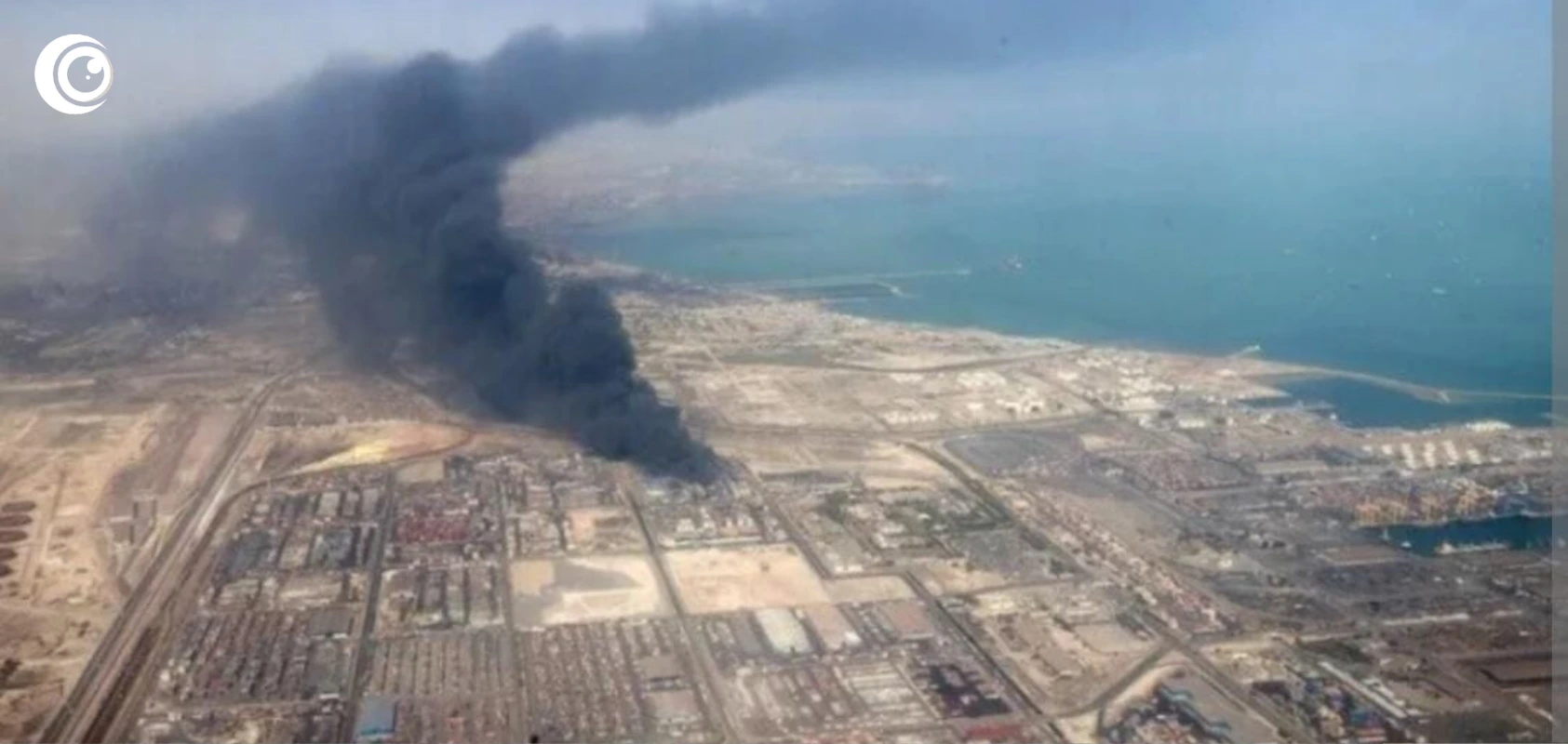

A United States strike on an Iranian desalination plant has left approximately 10,000 people without access to clean drinking water, according to Iranian authorities. The attack has intensified concerns over the humanitarian consequences of damage to civilian infrastructure during military operations and has drawn renewed attention to the impact of the recent US-Iran conflict.
The strike occurred during the recent escalation between the United States and Iran, which followed heightened regional tensions involving Iran and Israel. The United States launched attacks on several Iranian nuclear facilities, while Iran responded with missile strikes targeting US military bases in the region. The exchange marked one of the most serious direct confrontations between the two countries in recent years.
According to Iranian officials, the strike damaged a desalination plant supplying nearby communities, leaving around 10,000 residents without access to clean drinking water while restoration efforts continue.
The destruction of the desalination plant underscores the vulnerability of critical civilian infrastructure during armed conflict. Damage to essential water facilities can have immediate humanitarian consequences while also raising questions about the protection of civilian infrastructure under international humanitarian law. The disruption has left thousands of civilians without reliable access to safe drinking water, increasing concerns over sanitation, public health, and living conditions.
Humanitarian experts warn that prolonged interruptions to water supplies can significantly increase the risk of disease and further worsen conditions for affected communities. Iranian officials condemned the strike and accused the United States of targeting infrastructure essential to civilian life.
International organizations and humanitarian groups have reiterated the importance of protecting civilian infrastructure and ensuring access to basic services during armed conflicts as authorities assess the full impact of the strike.