
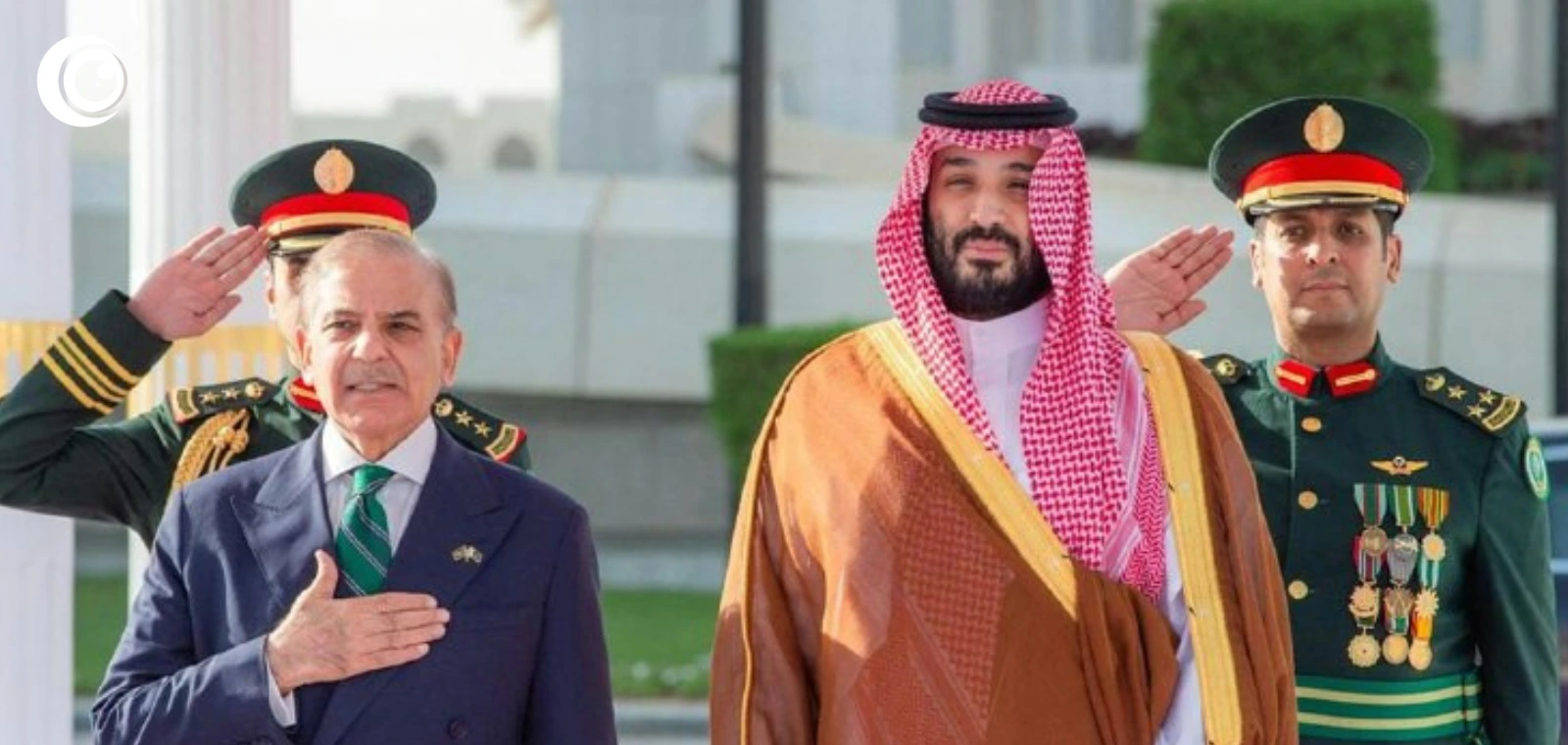

Pakistan has announced it reserves the right to use force against Yemen’s AnsarAllah movement, including the “lawful use of force” under international law, if Pakistani-flagged vessels or maritime interests come under attack, according to a statement by Foreign Office spokesperson Tahir Andarabi. The announcement comes amid the activation of the Pakistan-Saudi Strategic Mutual Defense Agreement signed last year, under which an attack on either country is treated as an attack on both.
The background to this development lies in the decade-long Saudi-led, US-backed aggression against Yemen that has killed hundreds of thousands and imposed a crippling blockade on the country. AnsarAllah has consistently targeted commercial shipping in the Red Sea and launched operations against Saudi oil facilities and military positions, framing these actions as responses to the siege and bombardment of Yemen. Pakistan’s military and diplomatic support for Saudi Arabia dates back decades, including troop deployments and security cooperation, and the mutual defense agreement formalizes this alignment.
Current developments indicate that Andarabi strongly condemned continued threats by AnsarAllah against commercial shipping in the Red Sea and against Saudi Arabia, warning that such actions threaten regional security, undermine freedom of navigation, and jeopardize the uninterrupted flow of global commerce. The Foreign Office said Pakistan is “particularly concerned” by reports of threats directed at vessels engaged in lawful commercial trade with Saudi Arabia, stressing that threats against shipping and trade with the kingdom are unacceptable and violate international law.
Strategically, the activation of the mutual defense agreement demonstrates the extent to which Pakistan has tied its security posture to Saudi Arabia’s interests. By treating an attack on Saudi Arabia as an attack on itself, Islamabad has effectively committed to entering any conflict between AnsarAllah and the kingdom. This positions Pakistan as a potential combatant in the Yemen war, expanding the conflict beyond the Arabian Peninsula and drawing in a nuclear-armed state with a large military.
The humanitarian implications are severe. Pakistan’s statement prioritizes commercial shipping and Saudi security over the humanitarian catastrophe in Yemen, where millions face starvation, disease, and displacement after years of blockade and bombardment. The framing of AnsarAllah’s operations as threats to “global commerce” while ignoring the siege that provoked them reflects a selective application of international law that protects economic interests while tolerating mass civilian suffering.
As tensions persist, the trajectory of Pakistan’s involvement depends on whether AnsarAllah targets Saudi or Pakistani assets and whether Islamabad follows through on its threat of force. Whether the mutual defense agreement will deter AnsarAllah or escalate the conflict into a wider regional war remains uncertain. What remains clear is that Pakistan has activated a defense treaty with Saudi Arabia, threatened force against AnsarAllah, and positioned itself as a potential belligerent in a war that has already devastated Yemen.