

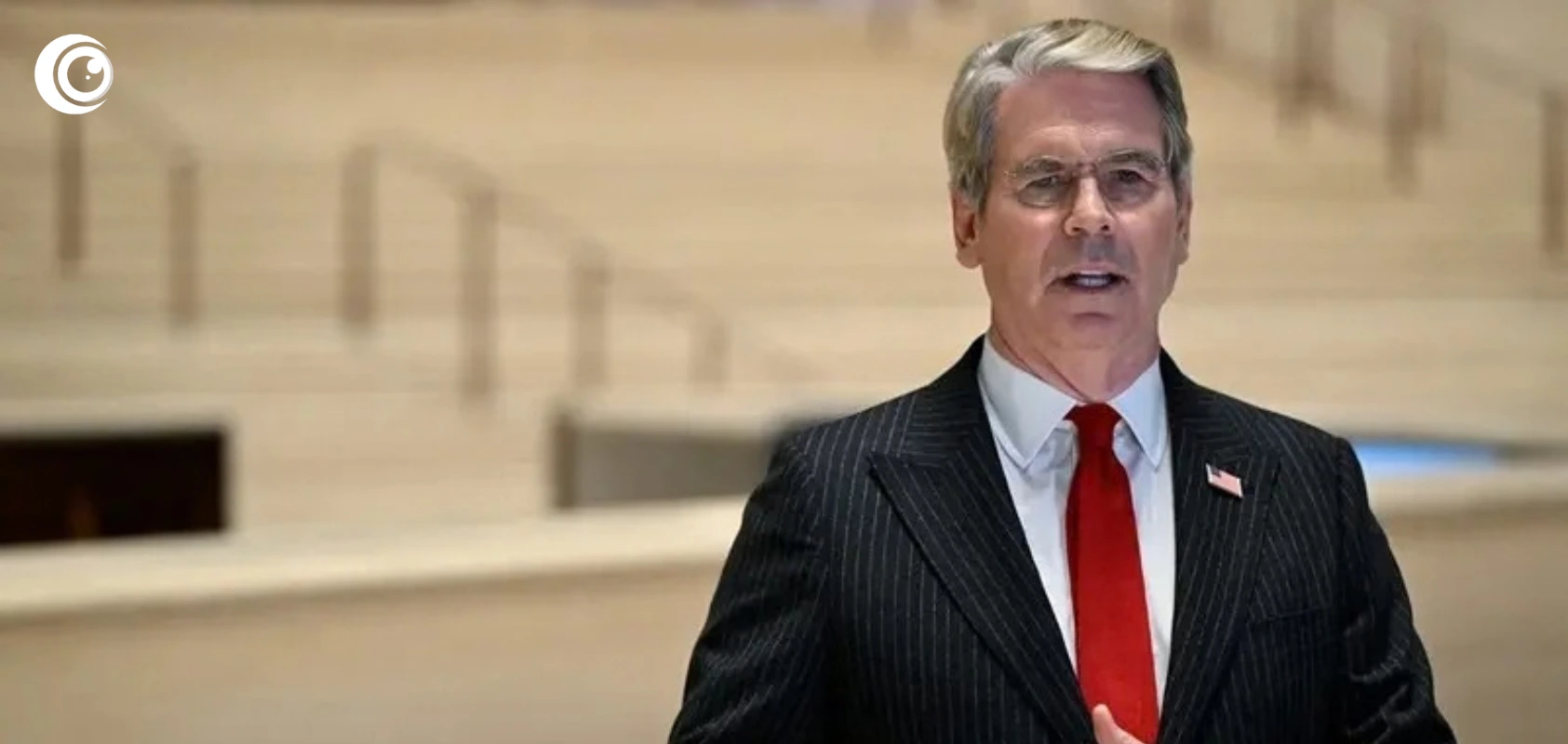


Indian Education Minister Dharmendra Pradhan announced his resignation on Saturday, handing a historic political victory to nationwide youth protesters who had spent weeks demanding his departure to take full responsibility for systemic examination paper leaks. The announcement, delivered directly via a post on X (formerly Twitter), marked a dramatic turn in a expanding crisis that had gripped the nation’s educational infrastructure. Pradhan’s exit signals a major concession from the central government, following sustained pressure from millions of young citizens who refused to back down until senior leadership faced direct accountability.
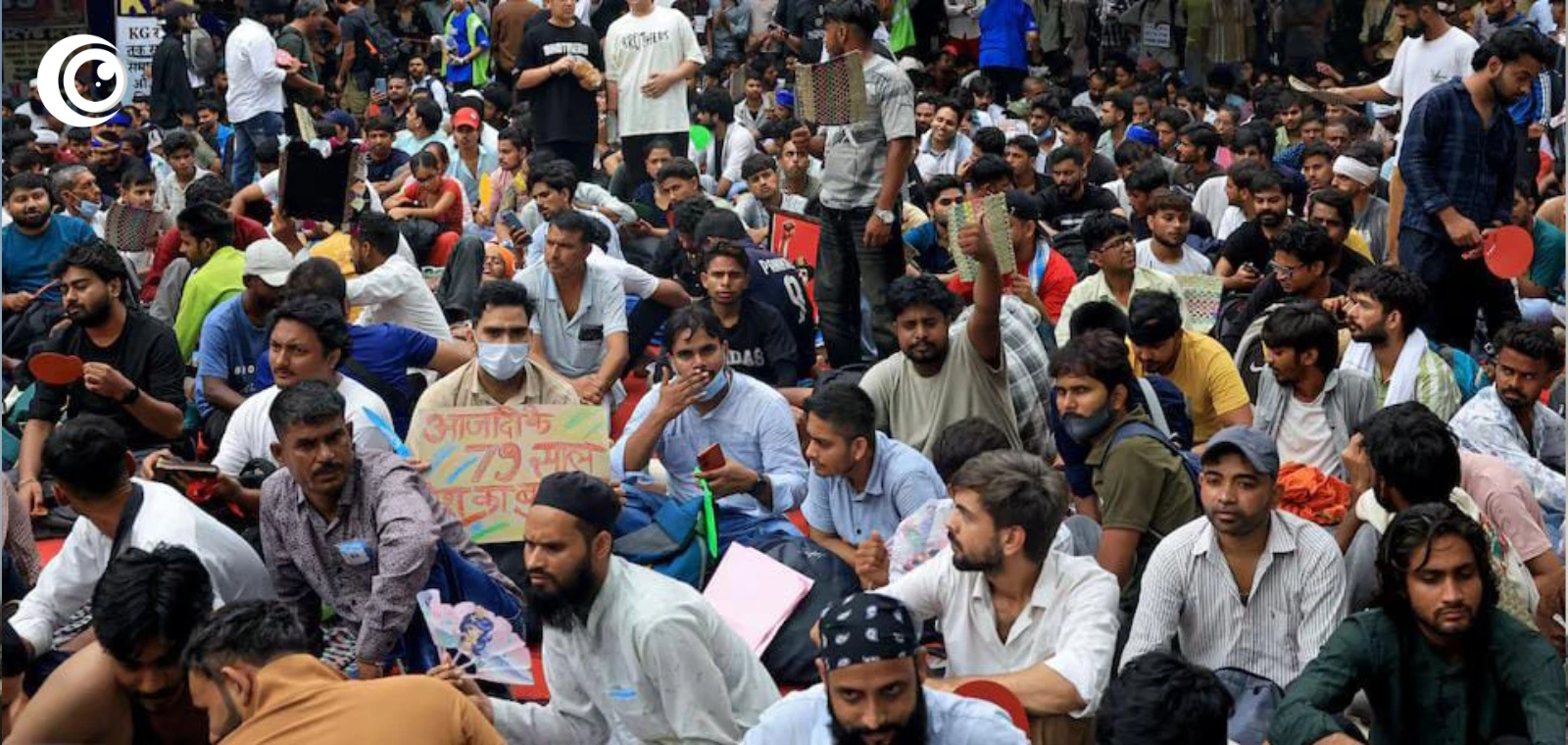
The minister’s sudden announcement unfolded alongside tense scenes in the capital, as police fired tear gas to scatter crowds of young demonstrators assembling in central New Delhi. The security forces acted just hours before student leaders were scheduled to sit down with high-ranking government ministers for another vital round of negotiations. Despite the physical crackdown on the streets, the news of Pradhan’s resignation quickly swept through the protest camps, transforming the atmosphere from raw confrontation into widespread celebration among the gathered youth.
The unrest erupted following high-profile leaks and administrative failures surrounding major national competitive and entrance examinations, which impacted millions of students competing for limited higher education seats and public sector positions. For weeks, angry test-takers and youth advocacy groups pointed to severe security compromises within the central testing framework, arguing that compromised question papers undermined years of hard work and meritocracy. As news of the leaks spread, small local demonstrations rapidly coalesced into a unified, relentless national campaign centered in the heart of Delhi.
Driven largely by Gen-Z students, the movement showcased a sophisticated mix of digital activism, campus-wide boycotts, and physical blockades across major transit arteries in the capital. Utilizing social media channels to coordinate logistics, document police responses, and rally public support, the young activists successfully elevated an administrative testing failure into a nationwide political flashpoint. The sustained nature of the demonstrations brought university campuses to a standstill and forced the administration to address the systemic flaws in its educational governance.
In his public statement accompanying the resignation, Pradhan maintained that he chose to step down in the broader interest of the student community and to ensure that public trust in the academic system could be restored. While the minister framed his departure as a self-sacrificing gesture to facilitate institutional healing, opposition parties and student union leaders immediately hailed the move as a direct validation of the youth movement’s demands, insisting that resignation was only the first step toward comprehensive testing reforms.
The resignation leaves the Ministry of Education under intense scrutiny as it works to restore credibility to national examination bodies and rebuild relationships with the nation’s youth. Student representatives have already signaled that while they welcome the minister’s departure, their broader campaign will continue until the government implements strict anti-leak legislation, overhauls testing protocols, and guarantees absolute transparency in future competitive exams. This decisive outcome underscores the growing power of India’s younger generation to force political accountability at the highest levels of government.