
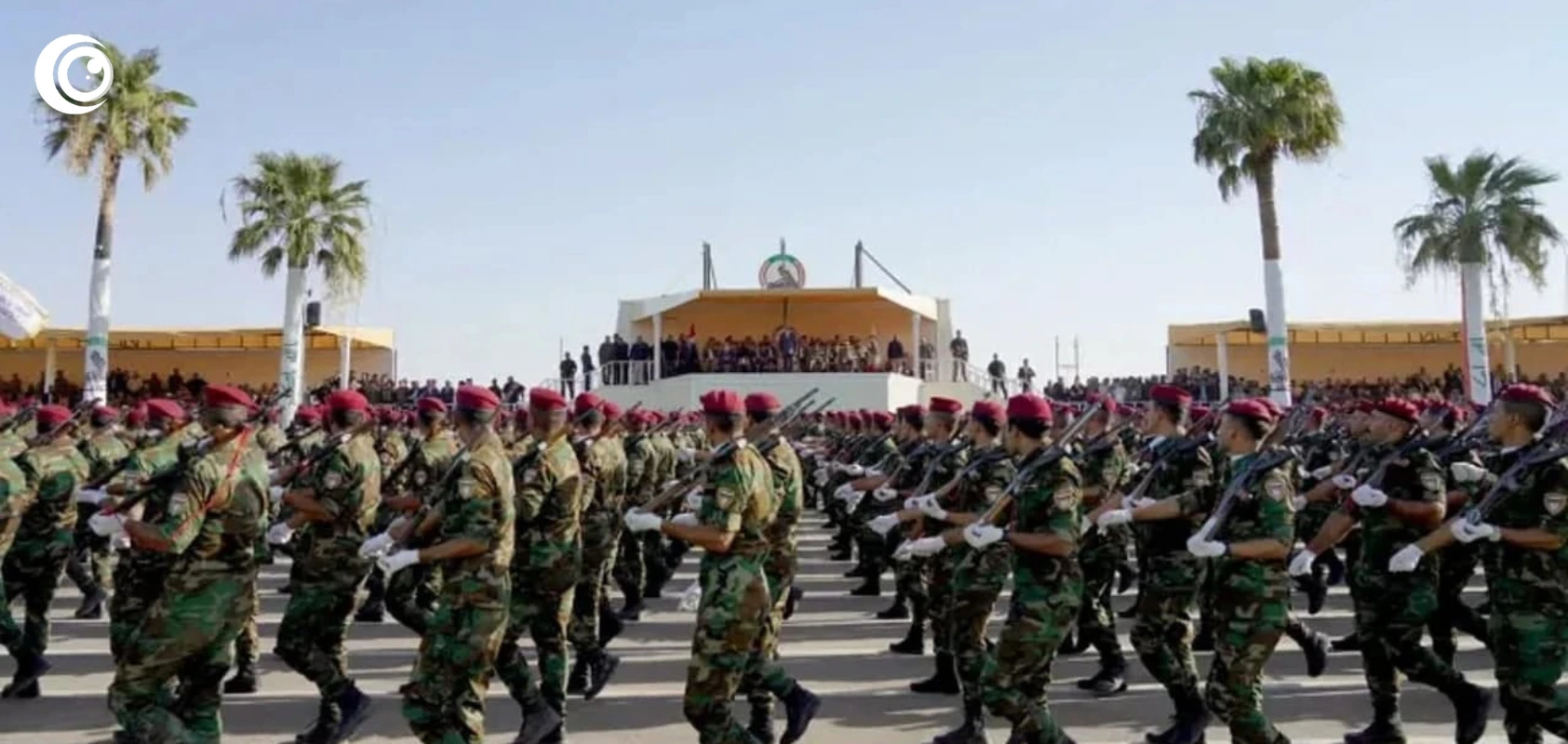



Early Wednesday, the United States and Saudi Arabia carried out joint airstrikes against positions belonging to Iraq’s Popular Mobilization Units (PMU). The operation killed eight PMU fighters and wounded four others across multiple provinces. Because the PMU is an officially recognized branch of Iraq’s security apparatus, Baghdad condemned the strikes, confirming it had not authorized or been consulted on the operation.
The PMU was legally integrated into Iraq’s state armed forces by parliament in 2016 following its central role in defeating ISIS. Over the past two decades, joint US and Saudi military operations have targeted various positions across Muslim-majority nations, including previous engagements in Yemen and Iraq. The PMU was legally integrated into Iraq’s state armed forces by parliament in 2016.
Addressing the operation, US Central Command (CENTCOM) stated the precision strikes responded to recent attacks on US personnel in Iraq, while Saudi Arabia claimed the action targeted threats to its energy infrastructure. Both cited Iran-aligned groups as responsible. Iraqi officials, however, stressed that striking state-sanctioned forces on Iraqi soil without prior coordination directly undermines national authority.
By targeting an established branch of the Iraqi military rather than non-state actors, the operation marks a significant escalation in regional dynamics. Legal analysts emphasize that conducting military strikes on a sovereign state’s forces without its consent violates core principles of international law. The operation has intensified debates over foreign intervention and the broader impact of US-Saudi military coordination across the region.
Reactions to the strikes were swift across the region. Baghdad announced a formal review of the incident to assert control over unauthorized foreign military actions on its soil. Tehran condemned the operation as a blatant violation of Iraqi sovereignty, while PMU leadership characterized the attack as a direct assault on Iraqi state institutions and warned of potential retaliation.
The strikes have placed immediate pressure on the Iraqi government to re-evaluate foreign military presence within its borders. Attention now turns to how Baghdad navigates its security agreements with Washington while managing internal demands to defend national sovereignty and state institutions.