

Iran’s Supreme National Security Council has said the Strait of Hormuz will not be reopened until the United States changes its policies toward Iran, including ending what Tehran describes as aggression against Iran and its regional allies. The council outlined a series of conditions it says must be met before the strategic waterway can be reopened.
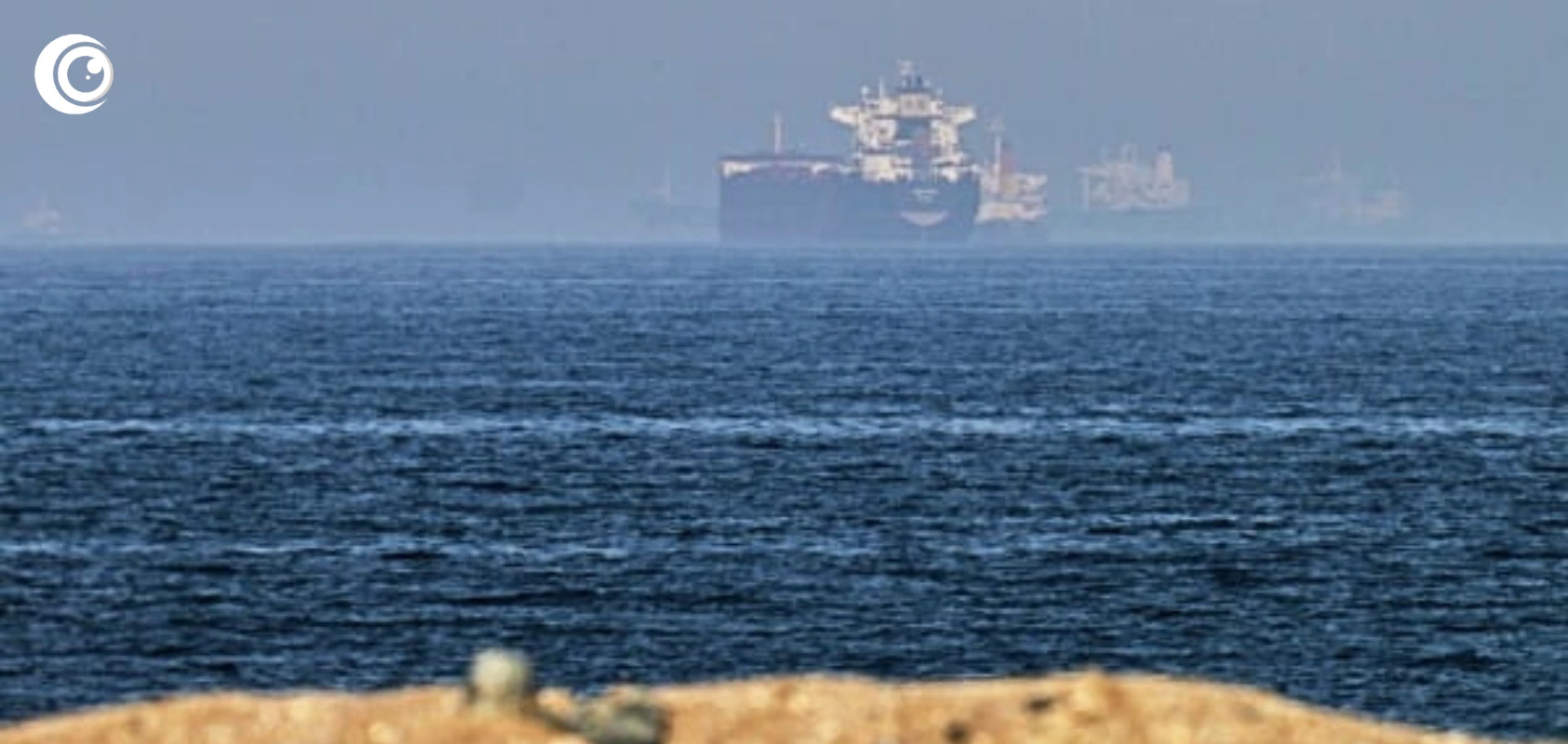
The Strait of Hormuz is one of the world’s most strategically important maritime routes, connecting the Persian Gulf with the Gulf of Oman and the wider Arabian Sea. Any prolonged disruption to shipping through the strait could have significant consequences for regional trade and global energy markets.
According to the statement, Iran’s definition of the US “correcting its behavior” includes an end to threats and what Tehran considers insults toward Iran’s national and religious sanctities. Iran also demanded a permanent end to military operations against Iran and its allies in Lebanon, Palestine, Yemen, and Iraq.
Tehran further called for the lifting of the naval blockade it says has been imposed around Iran and the withdrawal of US naval and air forces from areas surrounding the country. The council also demanded compensation for what it described as two aggressive wars against Iran, an end to US sanctions, and the unconditional release of Iranian assets that remain frozen abroad.
Iran’s position places the Strait of Hormuz at the center of the broader confrontation with Washington. A continued closure or restriction of the waterway could affect commercial shipping and energy flows, while the linkage of reopening the strait to wider regional conflicts means developments in Lebanon, Palestine, Yemen, and Iraq could directly influence maritime security in the Gulf.
Regional Context
The statement also connects Iran’s demands to the wider regional security environment, particularly conflicts involving Israel, Lebanon, Palestine, Yemen, and Iraq. Tehran maintains that the United States must end military and political pressure across these fronts before it will consider reopening the strategic waterway.
The United States and other regional actors are expected to closely monitor Iran’s position because of the Strait of Hormuz’s importance to international shipping and energy markets. The Iranian council, meanwhile, said it would maintain its position whether the confrontation develops through military conflict or negotiations.
Iran’s latest statement makes the reopening of the Strait of Hormuz conditional on a broad set of political, military, and economic demands directed at Washington. With the waterway remaining central to global energy security, the coming diplomatic and military developments could determine whether the standoff moves toward negotiations or further escalation.