
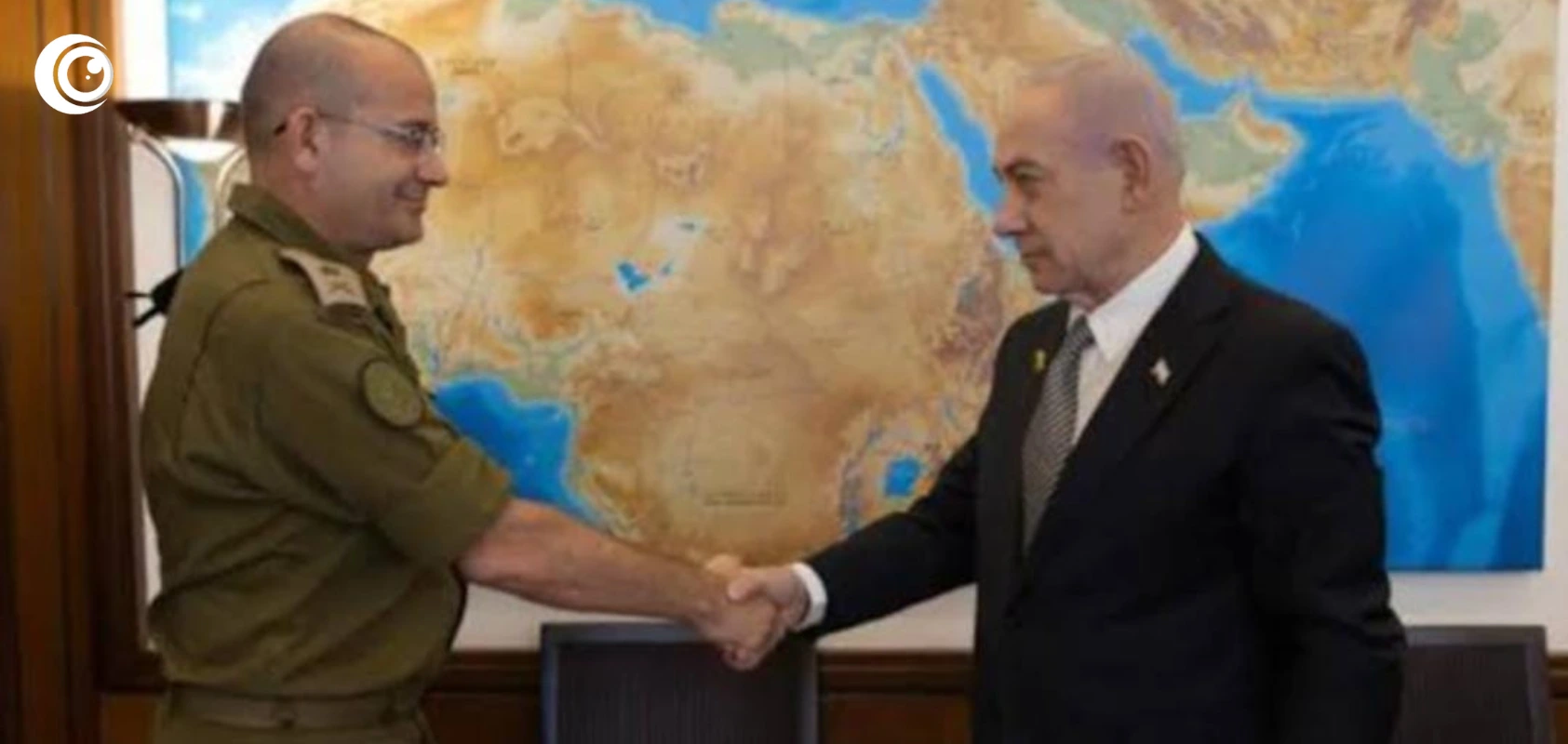

Syrian Foreign Minister Asaad al-Shaibani held a rare direct phone call with Mossad chief Roman Gofman on August 14, during which the two discussed Turkey’s growing military presence in Syria, according to three sources familiar with the matter cited by Reuters. The conversation took place just four days before Israeli occupation forces carried out airstrikes on the Abu al-Duhur military airbase in northern Syria, placing the call at the center of rapidly escalating tensions involving Damascus, Ankara and the Israeli occupation.
The contact represents one of the highest-level known communications between Syria’s new leadership and the Israeli occupation since the fall of Bashar al-Assad’s government in 2024. Damascus has been attempting to rebuild its diplomatic and security relationships while simultaneously dealing with Israeli military activity inside Syrian territory. At the same time, Turkey has significantly strengthened its relationship with Syria’s new administration, providing military cooperation and support as Damascus works to rebuild its armed forces and state institutions.
According to the sources cited by Reuters, Gofman raised concerns about Turkey’s expanding military role in Syria, including potential troop deployments, weapons transfers and drone support. The conversation occurred as discussions were underway over the future use of Syrian military facilities. The issue became particularly sensitive because the Abu al-Duhur airbase, located in northwestern Syria, had reportedly been visited by a Turkish delegation shortly before the Israeli occupation forces struck the facility.
The subsequent airstrikes dramatically intensified the dispute. Israeli officials argued that Syria had moved toward allowing Turkish forces to establish a military presence at the base, which they described as a security threat. Syrian officials rejected that interpretation, saying the facility was being rehabilitated for the Syrian Air Force and denying that Turkey was preparing to deploy forces there. Turkey likewise rejected the Israeli occupation’s allegations and condemned the strikes as unlawful and destabilizing.
The episode carries major strategic implications for West Asia. Turkey and Syria have been developing increasingly close military and political ties, while the Israeli occupation has sought to prevent the emergence of military arrangements in Syria that it considers threatening. The confrontation therefore reflects a broader struggle over Syria’s future security architecture and the competing interests of Ankara, Damascus and the Israeli occupation.
The situation also raises concerns over Syrian sovereignty and the risk of further military escalation. The Abu al-Duhur strike caused damage but no reported casualties, according to Syrian officials cited by AP. Any continued attacks on Syrian military infrastructure could complicate efforts by the new Syrian leadership to rebuild its armed forces and restore state control over facilities damaged during years of conflict.
The United States has meanwhile attempted to prevent the confrontation from developing into a direct Turkish-Israeli crisis. US Special Envoy for Syria Tom Barrack said Washington was working to establish a deconfliction and information-sharing mechanism involving Turkey, Syria and the Israeli occupation. The objective is to create channels through which military movements can be communicated and misunderstandings avoided before they escalate into direct confrontation.
The August 14 conversation between al-Shaibani and Gofman is therefore significant not only because of its unusual nature but also because of what followed days later. A direct communication channel existed between Damascus and the Israeli occupation shortly before the airstrike, yet the dispute over Turkey’s military role still escalated. With Ankara firmly backing Syria’s new leadership and the Israeli occupation warning against Turkish military expansion, Syria is increasingly becoming a major arena of strategic competition in West Asia. Further diplomatic engagement and the US-backed deconfliction mechanism may now determine whether the current tensions are contained or develop into a broader confrontation.