

Jordanian authorities have reportedly begun demolishing and evacuating homes located around the Muwaffaq Salti Air Base in Azraq, a major military facility used by US forces, according to Jordan Voice and reporting circulated by Quds News Network. The move is reportedly intended to expand the security perimeter around the base following Iranian missile and drone strikes targeting the facility. The developments have intensified debate inside Jordan over the country’s growing exposure to the expanding US-Iran confrontation.
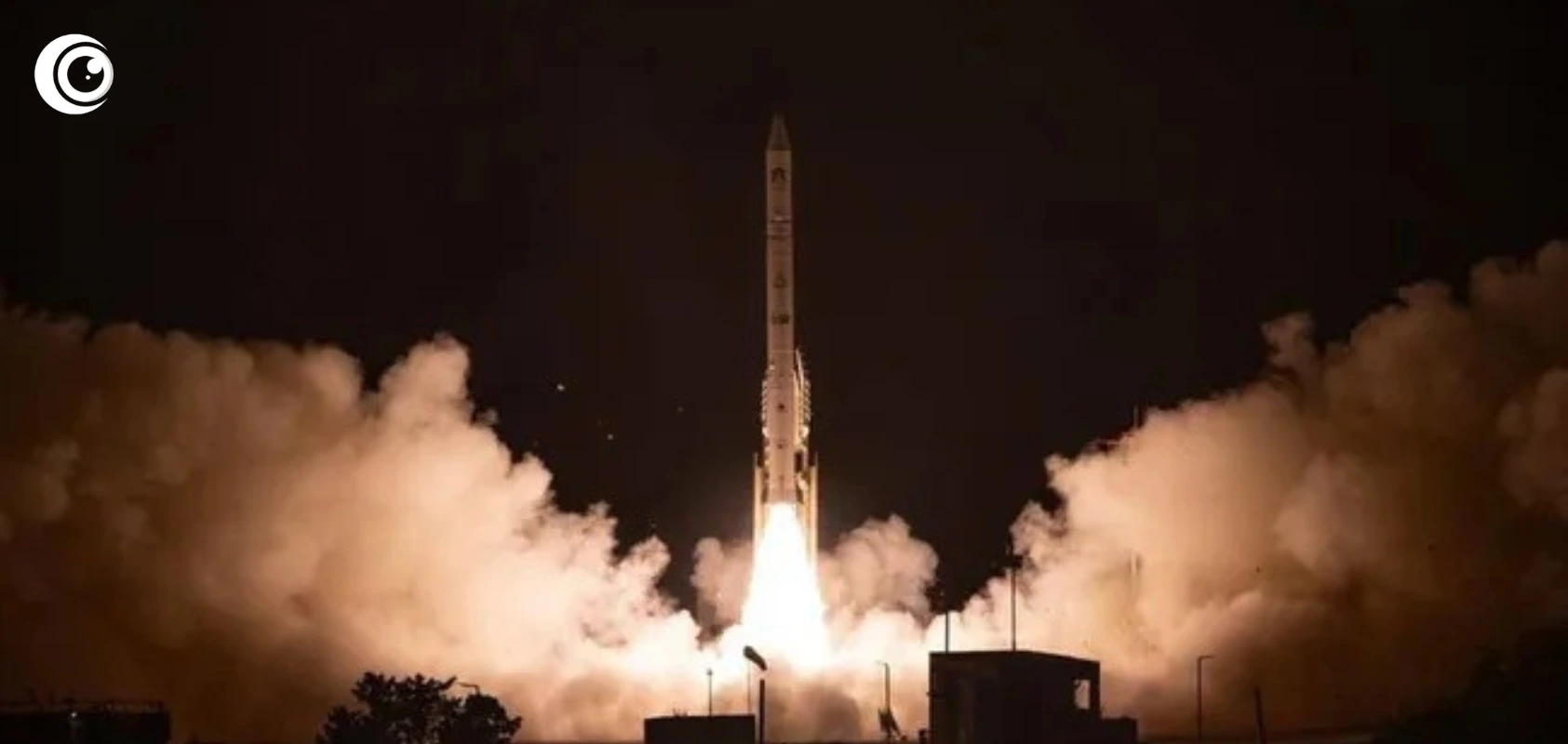
The Muwaffaq Salti Air Base has become an important hub for US military operations in the region, while also serving as a Royal Jordanian Air Force installation. Its strategic importance has increased amid the escalation between Washington and Tehran, with Iran targeting US military infrastructure across the region. In July, Iranian missiles and drones struck the base, with US officials confirming that two American service members were killed and others injured.
The reported demolitions and evacuations around the base are intended to create additional distance between civilian homes and the military installation, according to the reports. Satellite imagery cited by Quds News Network has also been presented as showing damage around the base following previous Iranian strikes. However, independent reporting confirming the full scale of the demolitions, the number of affected homes, and the precise legal arrangements governing the evacuations remains limited.
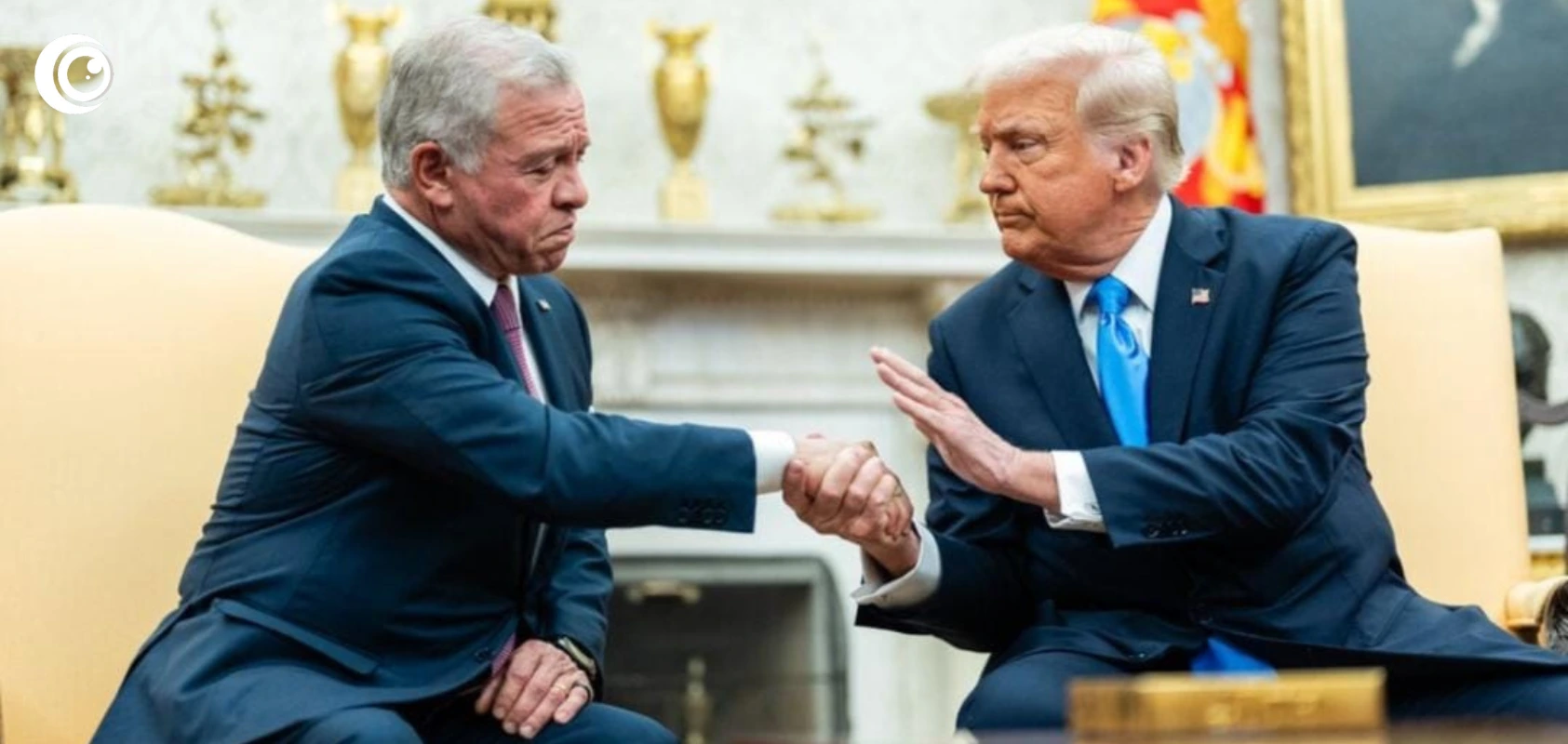
The developments highlight Jordan’s increasingly difficult position as the conflict expands across West Asia. Amman has sought to avoid direct involvement in the confrontation while maintaining its longstanding military relationship with Washington. At the same time, the presence of US forces on Jordanian territory makes American facilities inside the country potential targets during periods of escalation between the United States and Iran. Iranian forces have publicly identified US military installations in Jordan as targets during the confrontation.
For Jordanian civilians living near the base, the reported demolitions could have significant consequences. The removal of homes and displacement of residents in order to establish a wider military security zone raises questions over property rights, compensation, relocation and the balance between national security requirements and civilian welfare. Any compulsory evacuation or demolition would require appropriate legal procedures and protections for affected residents.
The issue has also generated political and public concern inside Jordan. According to the report accompanying the circulating footage, hundreds of Jordanian figures have signed an open letter calling for US troops to leave the country, arguing that the continued American military presence exposes Jordan to attacks and risks drawing it deeper into conflicts that many Jordanians do not want to become part of. The reported opposition reflects a broader debate over whether hosting foreign military forces strengthens Jordan’s security or instead makes the country a potential target.
The strategic consequences could extend beyond Jordan’s borders. The Muwaffaq Salti base is part of a wider US military network across West Asia, and attacks against American facilities have already demonstrated the difficulty of keeping host countries insulated from the consequences of regional confrontation. At the same time, further militarization around the base could increase tensions with local communities and reinforce perceptions that Jordan is becoming increasingly integrated into Washington’s regional military infrastructure.
The reported demolitions therefore represent more than a local security measure. They demonstrate how the confrontation between Iran and the United States is producing consequences inside countries that are not direct parties to the conflict. As Jordan attempts to protect its territory and military installations, pressure is likely to continue growing over the presence of US forces and the extent to which Amman should be involved in the wider regional security confrontation.