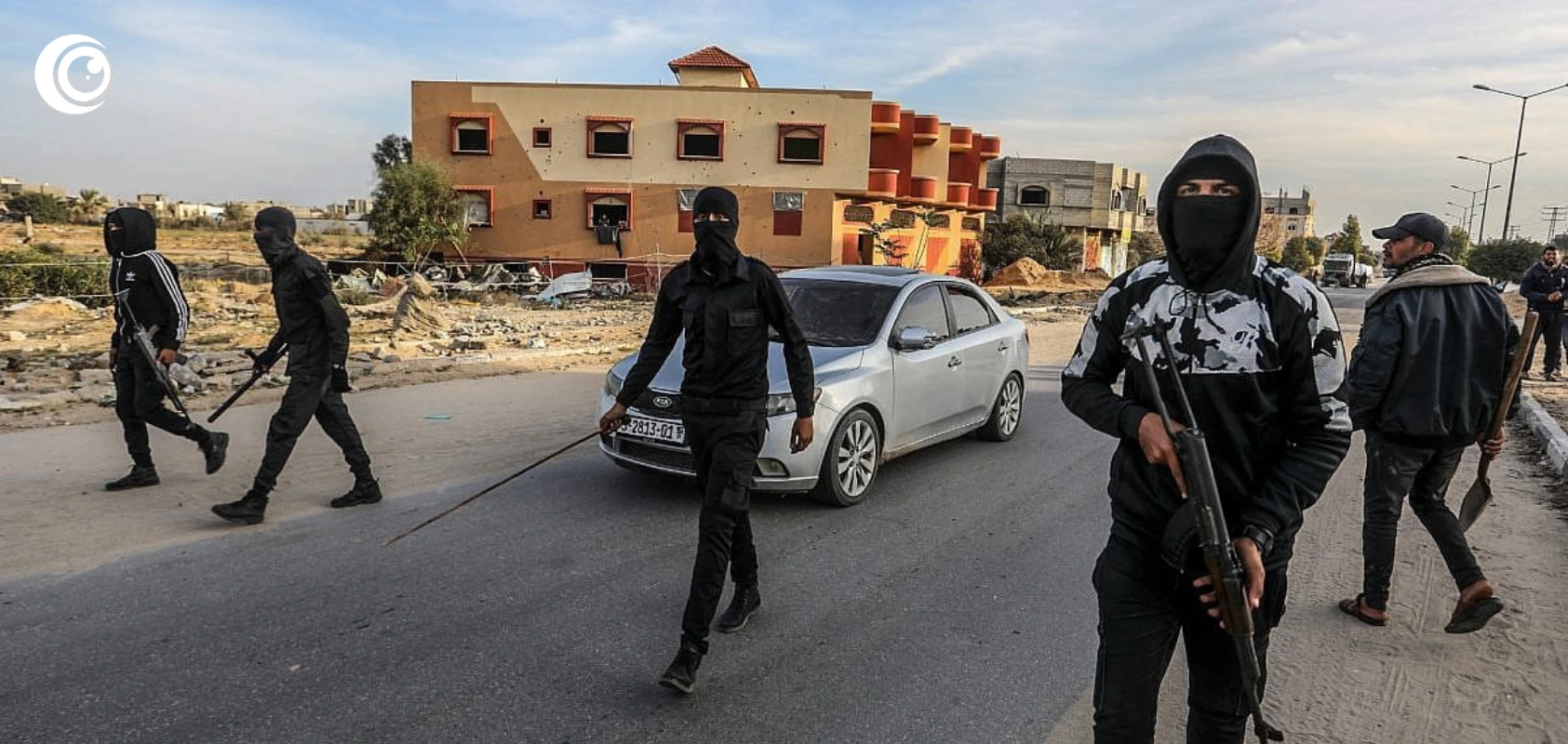

The Israeli occupation is expanding its use of armed militias inside Gaza, with a recent Haaretz investigation finding that at least five groups are receiving military and financial support and operating in coordination with the Israeli military and Shin Bet. The investigation, based on testimonies from Israeli soldiers, sources in Gaza, UN information and satellite imagery, found that the militias have increasingly functioned as an operational arm of the occupation forces inside the Strip.
The use of local armed groups has developed alongside the genocide in Gaza and the Israeli occupation’s efforts to weaken Hamas, the Palestinian resistance movement. The Israeli entity previously acknowledged supporting local clans to counter Hamas, while one of the most prominent figures associated with the policy, Yasser Abu Shabab, led a militia in southern Gaza that was linked to the Islamic State. His death in 2025 did not end the wider militia project, according to the Haaretz investigation.
The investigation identified armed groups operating in several areas of Gaza, including Beit Hanoun, Shujaiyeh, Deir al-Balah, Khan Yunis and Rafah. Israeli military personnel reportedly described close coordination between the militias, the Israeli army and Shin Bet, with fighters able to move around Israeli military positions. Sources also said the groups received weapons and, during operations, Israeli artillery and drone support.
According to the investigation, the militias have not been restricted to confronting Hamas. Accounts from Israeli personnel and information gathered by the UN indicate that some fighters have opened fire on Palestinian civilians, looted property, burned homes and forced families from shelters. An Israeli Air Force officer quoted by Haaretz described the situation as involving trained militias being sent to commit what he characterized as war crimes while Israeli forces were tasked with protecting them during their operations.
The development could further fragment Gaza’s internal security environment by empowering armed groups operating under the protection and coordination of the Israeli occupation. Rather than producing a credible alternative governing structure, Israeli military officials cited in the investigation reportedly acknowledged that these groups lack the political legitimacy and military capability to replace Hamas independently. Their continued reliance on Israeli military support therefore raises questions about whether the policy is primarily intended to create an internal security force or to deepen divisions within Palestinian society.
The involvement of a militia with previous ISIS links adds another dimension to the controversy. Critics argue that empowering criminal and extremist-linked elements risks spreading instability within Gaza and could create conditions for further violence among Palestinians themselves. The reported model also bears similarities to earlier instances in West Asia where occupying or intervening powers relied on local armed factions to pursue military objectives indirectly.
The humanitarian consequences are particularly serious for Palestinian civilians already struggling to survive the genocide in Gaza. Reports of armed groups firing on civilians, looting homes, burning property and forcing displaced families from shelters indicate that the population may face danger not only from Israeli military operations but also from armed factions operating under Israeli protection.
The use of criminal and extremist-linked elements by the Israeli occupation has therefore raised serious concerns about the further breakdown of civilian protection and social order in Gaza. Haaretz cited warnings from Israeli soldiers that the arrangement could create conditions for atrocities reminiscent of the Sabra and Shatila massacre, while the investigation documented the growing operational relationship between the militias and Israeli forces.
The revelations have generated criticism from Palestinians and international observers concerned about the arming of local militias during an ongoing humanitarian crisis. The investigation is particularly significant because several of the allegations come from Israeli military personnel themselves. Israeli officials have previously defended support for local clans as a means of weakening Hamas, while military sources cited in the latest investigation questioned the groups’ ability to provide a genuine political or security alternative.
The expansion of Israeli-backed militias represents a significant development in the security landscape of Gaza. With armed groups receiving military support and operating alongside Israeli forces, concerns are growing that the policy could deepen internal instability and expose Palestinian civilians to additional violence. The continuing investigation and future disclosures will be closely watched to determine the full extent of the relationship between the Israeli occupation, Shin Bet and the armed groups operating across Gaza.