
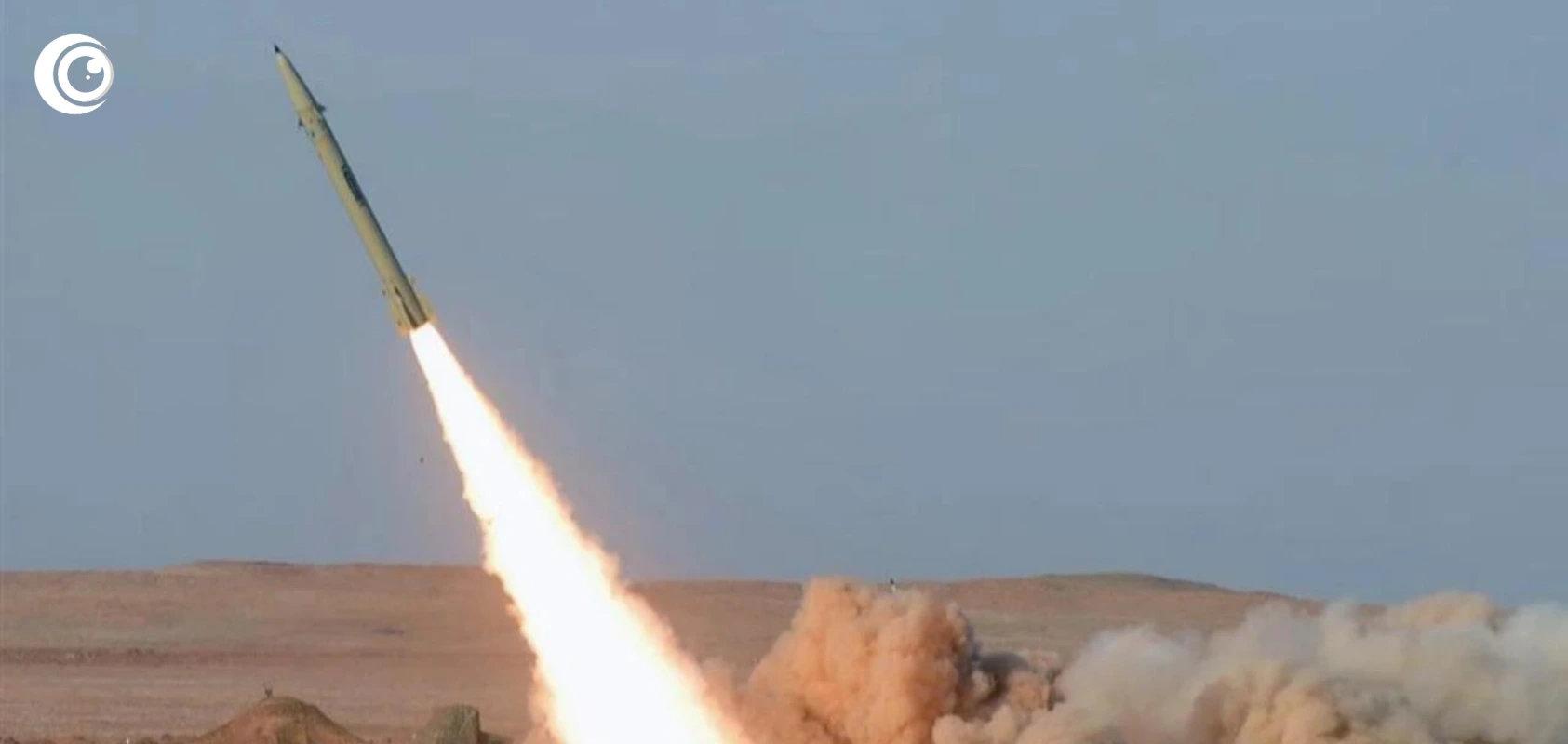


Iran has launched strikes targeting bases hosting US forces in Jordan, hours after the United States carried out its first military strikes on Iran in a month. The exchange was reported by Al Jazeera on Monday. According to the report, US forces hit sites on Larak Island. Iran responded by targeting locations in Jordan where US troops are stationed. US officials told Al Jazeera’s Manuel Rapalo in Washington DC that the missiles fired toward Jordan were shot down.
The confrontation centers on Larak Island, located near the Strait of Hormuz. The waterway is one of the world’s most important energy corridors, carrying a substantial share of global oil and gas shipments. Military activity near the strait directly affects international shipping routes, insurance costs, and energy supplies. The US action marks the first strike on Iranian territory in a month, and Iran’s response marks the first targeting of US-linked sites in Jordan in the same period.
Jordan has hosted US military bases for years under bilateral security agreements. Amman has used the presence to support regional security operations while maintaining diplomatic relations with both Washington and Tehran. The country has traditionally sought to avoid direct involvement in US-Iran hostilities. The strikes on bases in Jordan place that position under pressure, as Jordanian territory becomes part of the exchange between the two countries.
US officials stated that air defenses intercepted the missiles aimed at Jordan and that no targets were hit. Al Jazeera reported the claim based on statements from Washington. No damage assessment has been released by either side. Iranian officials have not provided public details on the scope of the strikes. Independent verification of the interceptions has not been issued.
The targeting of Jordan expands the geography of the US-Iran confrontation. Bases in Jordan are used for logistics, regional operations, and force protection. An attack on those facilities brings the conflict closer to the Levant and to a country that borders Syria, Iraq, and Israeli occupation. It also increases risk to commercial and civilian infrastructure located near military installations, and raises operational costs for shipping and energy transit through the region.
The economic and humanitarian impact could be immediate. Any disruption near the Strait of Hormuz affects the movement of oil, gas, and goods for multiple countries. Higher risk leads to increased insurance and transport costs and can affect global fuel prices. For Jordan, which relies on imported energy, prolonged regional instability adds economic pressure. The presence of strikes and interceptions near populated areas also raises concerns for civilian safety under international humanitarian law.
The immediate effects will depend on whether further strikes take place and on Jordan’s management of its security agreements with the US. Washington has indicated it will maintain its regional presence. Tehran has responded to the strikes on Larak Island with actions in Jordan. With the Strait of Hormuz remaining a critical route and US forces stationed across the region, continued escalation will affect shipping, energy markets, and the security calculations of states across the Middle East.