
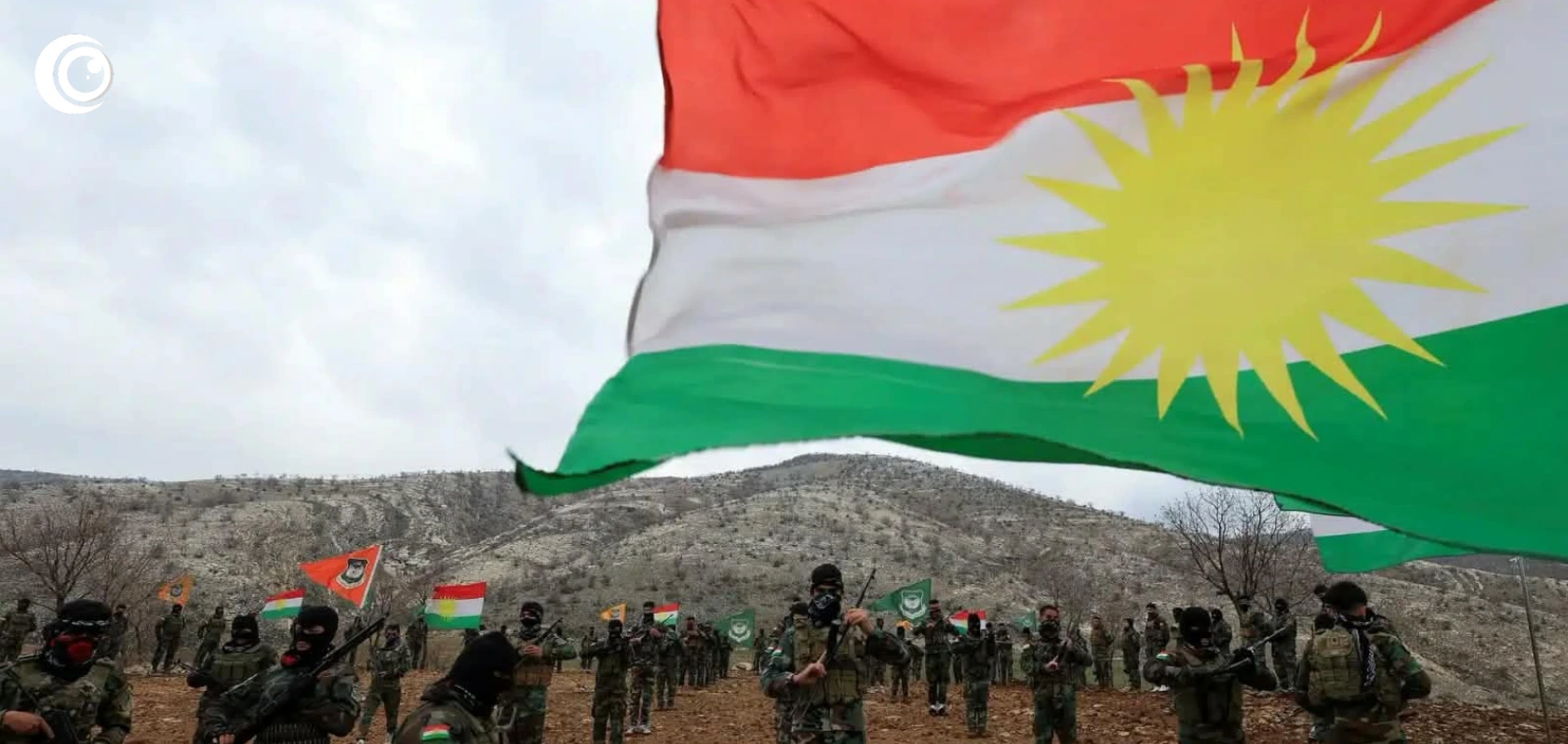
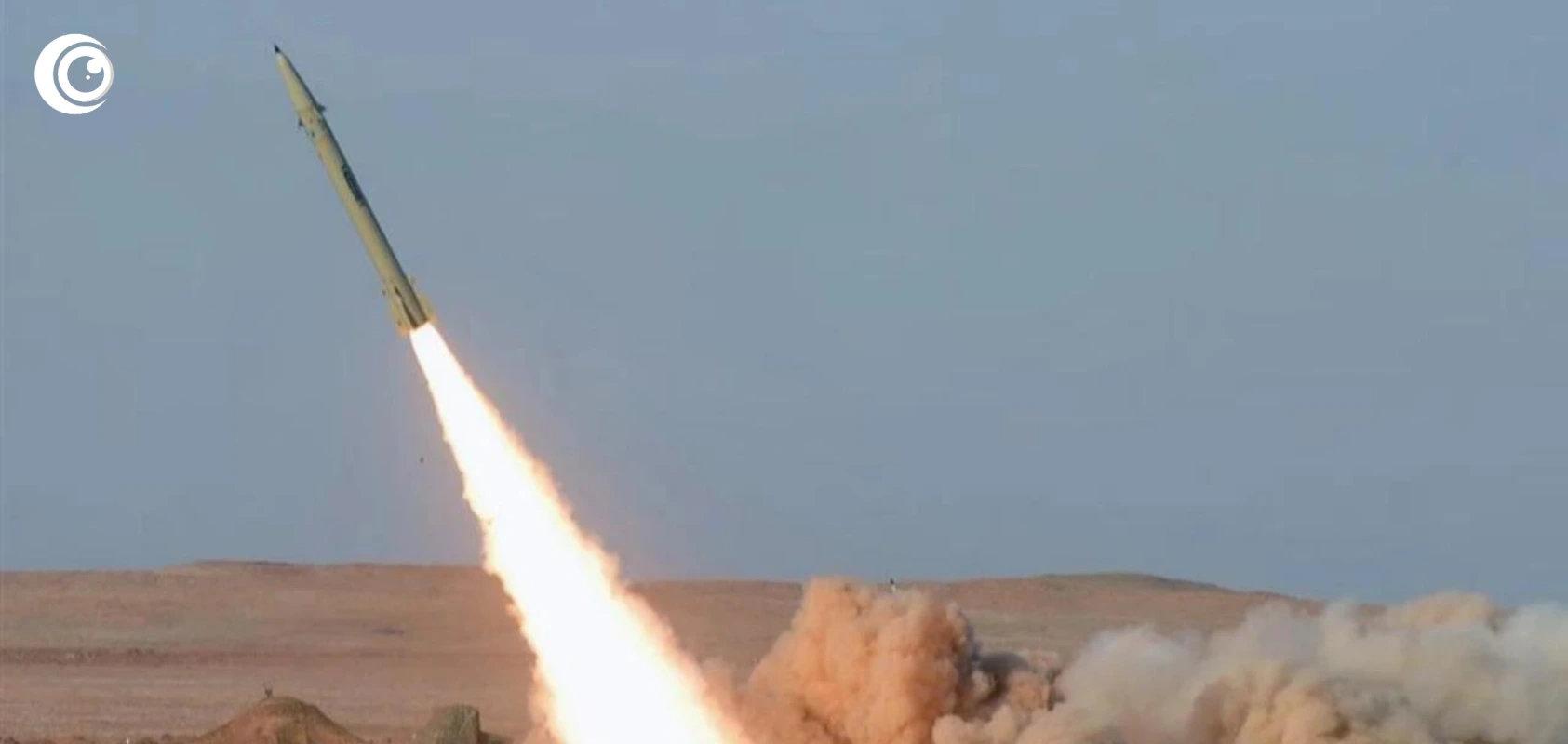

Thousands of Kurdish fighters were trained inside Israeli occupation for a planned ground offensive into Iran, according to a report cited by Middle East Spectator and attributed to Israeli occupation Channel 13. The report states the operation was intended to begin after airstrikes opened a route through the Kurdistan region, in coordination with expected anti-regime protests inside Iran.
The plan envisioned Kurdish forces entering Iranian territory once air operations created a corridor. The timing was linked to widespread internal unrest against Tehran. The Channel 13 report claims the Kurdish units were prepared and positioned to move as part of a broader campaign that combined air power with internal pressure on the Iranian government.
The campaign did not proceed as expected. Days after the airstrikes began, the White House concluded that anti-regime protests had not materialized. According to the report, Washington then ordered Israeli occupation to halt the Kurdish advance. US officials did not publicly confirm the order. The report also cited Turkish opposition as a factor in the decision to stop the operation.
Turkiye has long opposed Kurdish military activity near its borders and has conducted its own operations against Kurdish groups in Syria and Iraq. Any large-scale movement of Kurdish forces toward Iran would have directly affected Turkish security calculations. The Channel 13 account presents Ankara’s position as one element in Washington’s decision to pull back the plan.
The reported training inside Israel marks a direct Israeli role in preparing forces for operations against Iran. It also shows the extent to which the campaign was tied to assumptions about domestic unrest in Iran. When those protests did not occur, the central premise for the ground advance collapsed. The halt underscores the reliance of the plan on conditions inside Iran that did not develop.
This reveals the risks of planning military operations around anticipated internal upheaval. It also highlights the limits of coordination between Washington, Jerusalem, and regional actors when third-party interests, such as Turkiye’s, are involved. With no ground offensive launched and no protests emerging, the campaign appears to have ended before Kurdish forces crossed into Iran.