
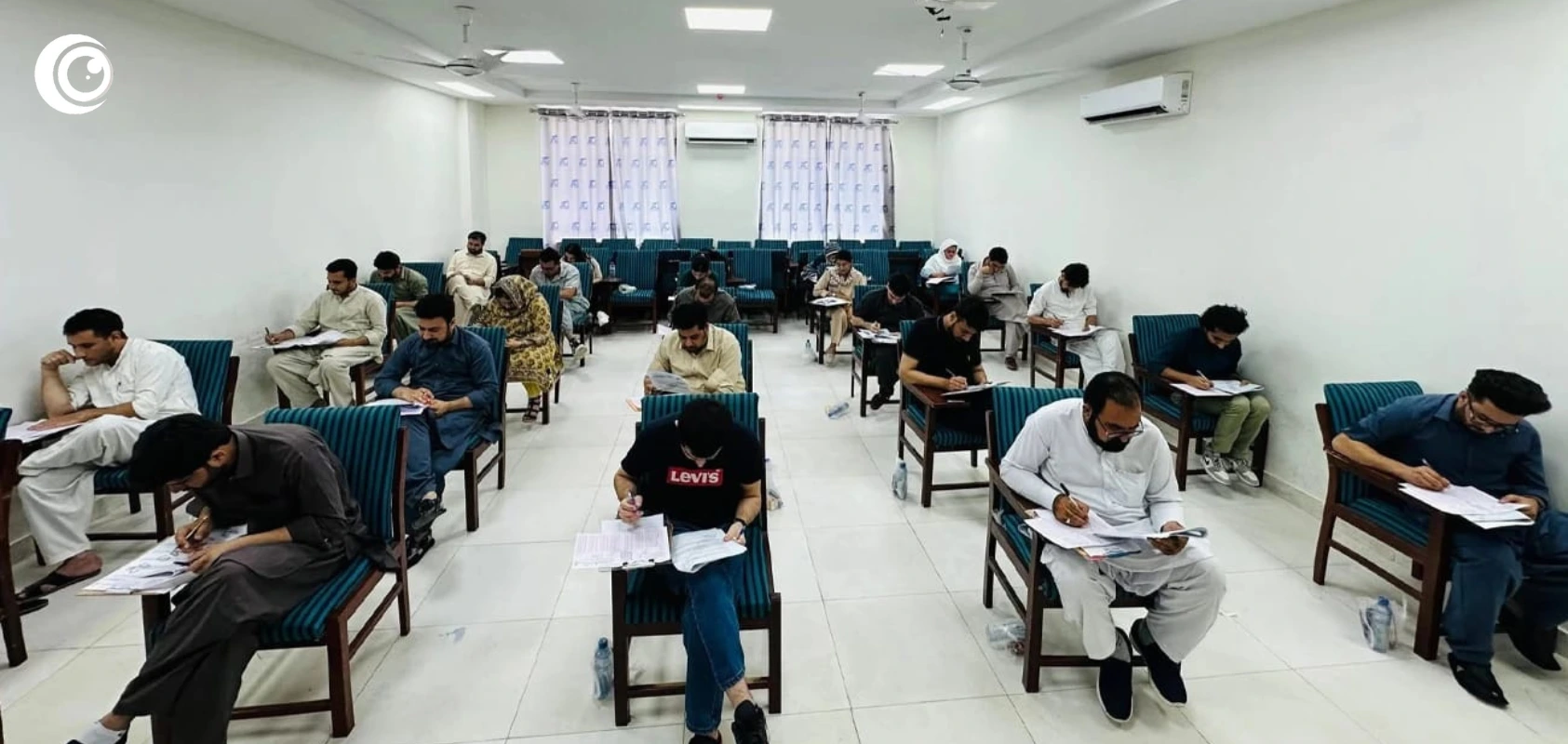
Pakistan’s medical regulator has ordered Afghan students enrolled in medical and dental colleges across the country to return to Afghanistan and has barred institutions from admitting new Afghan students, according to an official directive issued by the Pakistan Medical and Dental Council (PMDC). The decision comes amid a sharp deterioration in relations between Islamabad and Kabul and an intensified Pakistani campaign to repatriate Afghan nationals.
The PMDC directive, dated September 1, reiterates instructions initially issued on July 31 and directs medical and dental institutions to facilitate the departure of Afghan students already enrolled in professional degree programs. Colleges have been instructed to complete administrative formalities, including issuing necessary no-objection certificates (NOCs), to enable the students to return to Afghanistan.
The regulator has also prohibited institutions from offering new admissions, placements, transfers, migrations or other forms of facilitation to Afghan nationals during the current academic session until further orders. The PMDC described the matter as a national policy issue and said it was of the “highest priority.” However, the directive does not specify how many Afghan students are currently studying medicine or dentistry in Pakistan, nor does it clarify whether students close to completing their degrees will receive exemptions.
The decision comes as Pakistan expands its repatriation campaign targeting Afghan nationals. Islamabad launched its Illegal Foreigners’ Repatriation Plan in late 2023, initially focusing on undocumented foreigners, most of whom were Afghans. Pakistan has since expanded enforcement measures, including actions against Afghan nationals residing in the country without valid visas, citing national security and immigration concerns.
According to the International Organization for Migration, more than 2.6 million Afghans returned to Afghanistan from Pakistan between September 2023 and July 31, 2026. Pakistan maintains that the repatriation drive is necessary to enforce immigration laws and address security threats. The United Nations and rights organizations, however, have repeatedly expressed concerns about forced returns and their potential consequences for vulnerable Afghan families and individuals.
The latest PMDC decision also reflects the increasingly strained security relationship between Islamabad and Kabul. Pakistan has repeatedly accused the Tehreek-e-Taliban Pakistan (TTP) and other militant groups of operating from sanctuaries inside Afghanistan and using Afghan territory to plan and launch attacks against Pakistan. The Taliban authorities deny permitting Afghan soil to be used for attacks against Pakistan.
Relations deteriorated further following deadly cross-border clashes in October 2025, among the most serious fighting between the two countries in years. Qatar and Türkiye subsequently helped broker a ceasefire, but later negotiations failed to produce a lasting resolution. Sporadic clashes, diplomatic tensions and border closures have continued to strain relations between the neighboring states.
The PMDC order marks a notable expansion of Pakistan’s restrictions on Afghan nationals because it directly affects students already enrolled in professional medical and dental programs. Unlike measures targeting undocumented migrants or individuals without valid visas, the directive reaches into Pakistan’s higher education and professional training sectors, potentially disrupting the academic plans of Afghan students who had already secured admission to Pakistani institutions.
The move underscores how deeply the worsening Pakistan-Afghanistan relationship is now affecting civilian and educational ties. As Islamabad continues to prioritize border security and repatriation, the new restrictions on Afghan medical students add another layer to an increasingly difficult relationship between the two neighboring countries.