
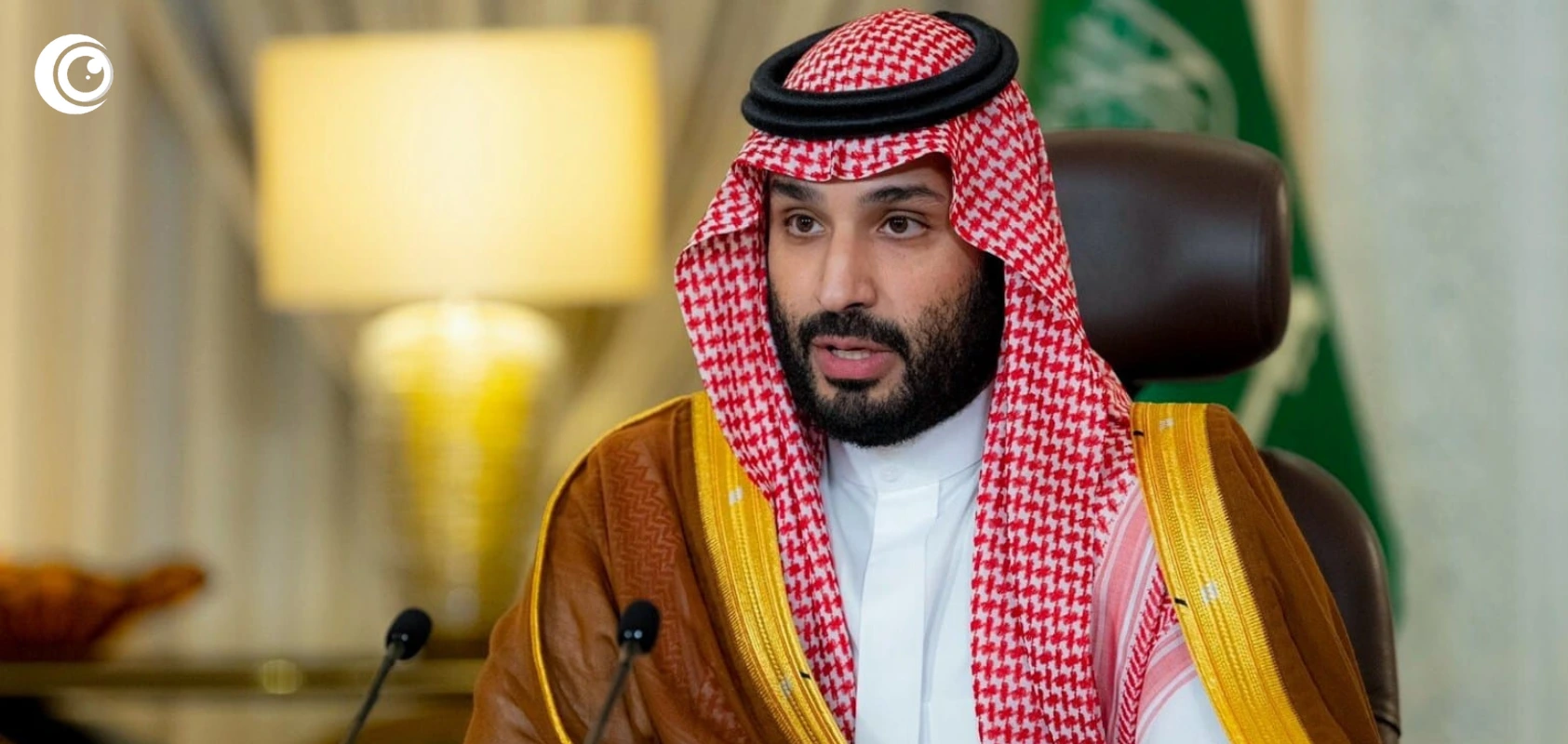
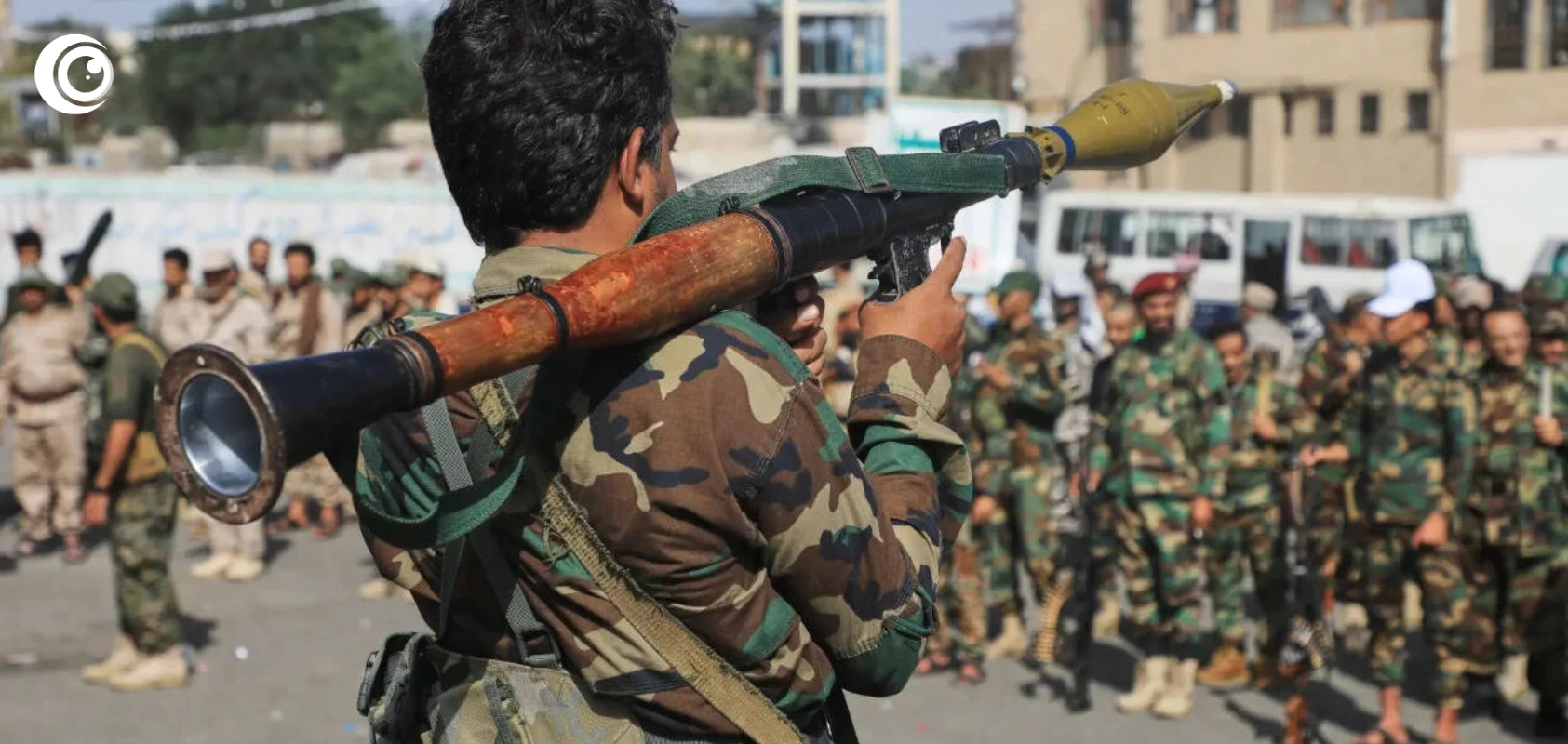


Saudi Arabia has reportedly sought indirect support from the Israeli occupation after the United States rejected Crown Prince Mohammed bin Salman’s request for direct military strikes against AnsarAllah in Yemen. The development highlights the growing pressure on Riyadh as Yemen’s resistance movement expands its position along the western coast and near the strategic Bab al-Mandab Strait.
Reports said Mohammed bin Salman called U.S. President Donald Trump twice on September 10, asking Washington to launch airstrikes against AnsarAllah as Saudi-backed forces faced major setbacks in Yemen. Riyadh reportedly wanted direct American military intervention to halt the resistance advance, particularly after AnsarAllah captured strategic coastal areas and strengthened its presence near the Red Sea corridor.
Washington, however, reportedly declined to open a new direct military front in Yemen. The United States was said to have avoided authorizing fresh strikes while remaining focused on wider regional tensions, including the conflict with Iran and concerns over maritime routes. Instead of launching attacks, U.S. officials reportedly offered intelligence-sharing, targeting assistance, and coordination through U.S. Central Command.
Following the reported U.S. rejection, Saudi Arabia turned to regional allies and reportedly sought help from the Israeli occupation. According to Israeli media reports, Riyadh’s request was routed through U.S. Central Command and focused on intelligence and other support aimed at preventing AnsarAllah from consolidating control near Bab al-Mandab. The reported move demonstrates that Saudi Arabia is seeking new ways to counter Yemen’s resistance after failing to secure the direct American military action it wanted.
The reported outreach is significant because Saudi Arabia has publicly claimed that normalization with the Israeli occupation depends on Palestinian statehood and an end to the war on Gaza. Yet Riyadh’s alleged request for Israeli occupation assistance against Yemen points to continued behind-the-scenes security coordination, even as the Israeli occupation continues its genocide against Palestinians in Gaza.
The developments come after AnsarAllah captured key areas along Yemen’s western coast, including Al-Mukha, and moved to consolidate control around the Bab al-Mandab Strait. The strategic waterway links the Red Sea to the Gulf of Aden and is vital for international trade, energy shipments, and military movement. AnsarAllah’s growing control over the surrounding coastline has therefore triggered alarm in Riyadh, Washington, and the Israeli occupation.
For Saudi Arabia, the loss of coastal positions is more than a battlefield setback. It represents a serious challenge to the years-long Saudi-U.S.-backed campaign aimed at weakening AnsarAllah through airstrikes, blockade, economic pressure, and proxy warfare. The reported appeal first to Washington and then to the Israeli occupation suggests that Riyadh’s own forces and allied militias are struggling to contain the resistance advance without wider foreign support.
The humanitarian consequences remain severe for Yemenis, who have endured years of bombing, siege, hunger, displacement, and destruction of essential infrastructure. Any renewed attempt to escalate military action against Yemen risks worsening those conditions, especially for civilians living near strategic roads, coastal towns, and areas targeted by foreign-backed forces.
As AnsarAllah continues to consolidate its gains, Saudi Arabia’s reported search for U.S. and Israeli occupation assistance reveals the depth of its concern over the shifting balance of power in Yemen. The sequence is clear: Riyadh first sought direct U.S. strikes, Washington refused, and Saudi Arabia then reportedly looked toward the Israeli occupation for intelligence and regional support against Yemen’s resistance.