
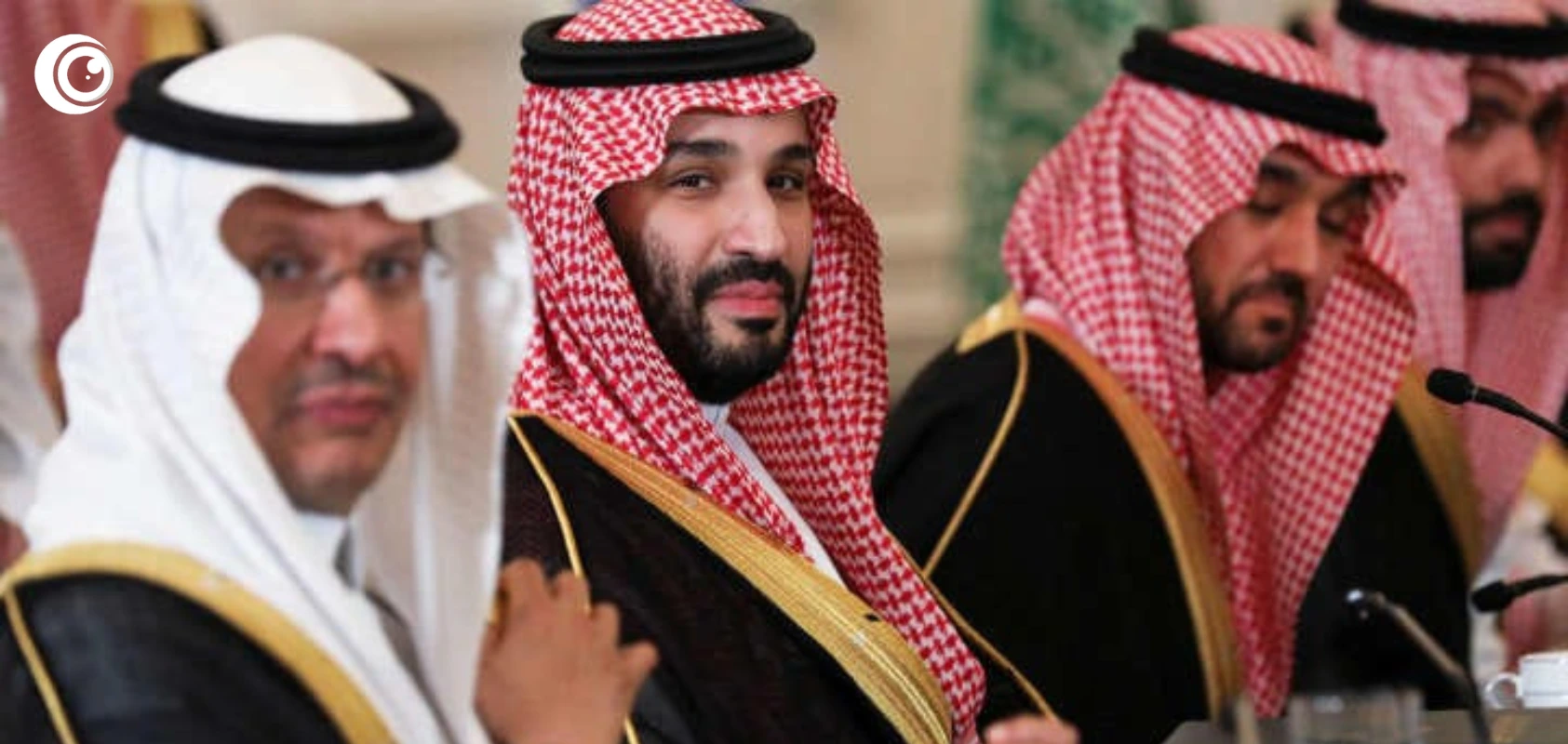
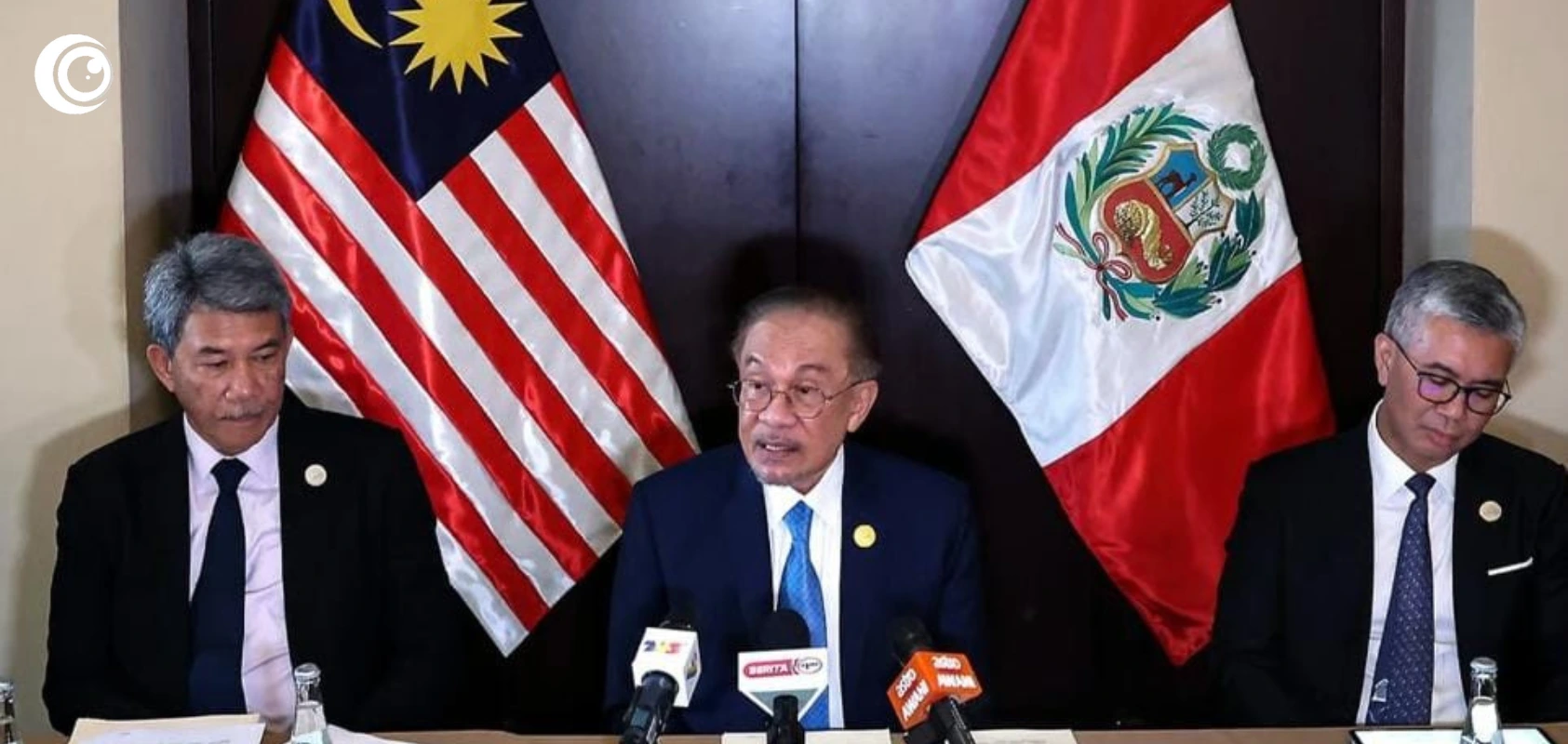
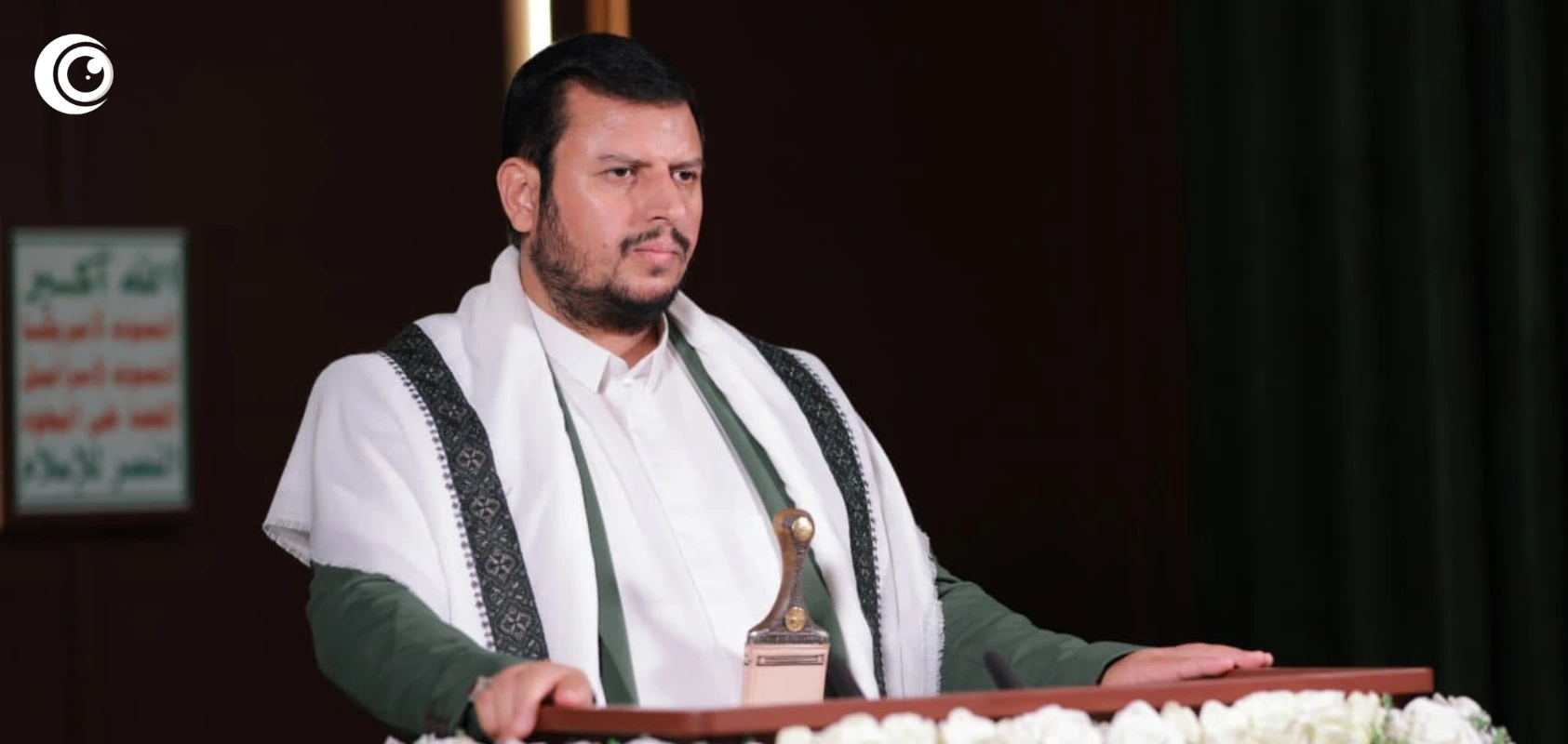
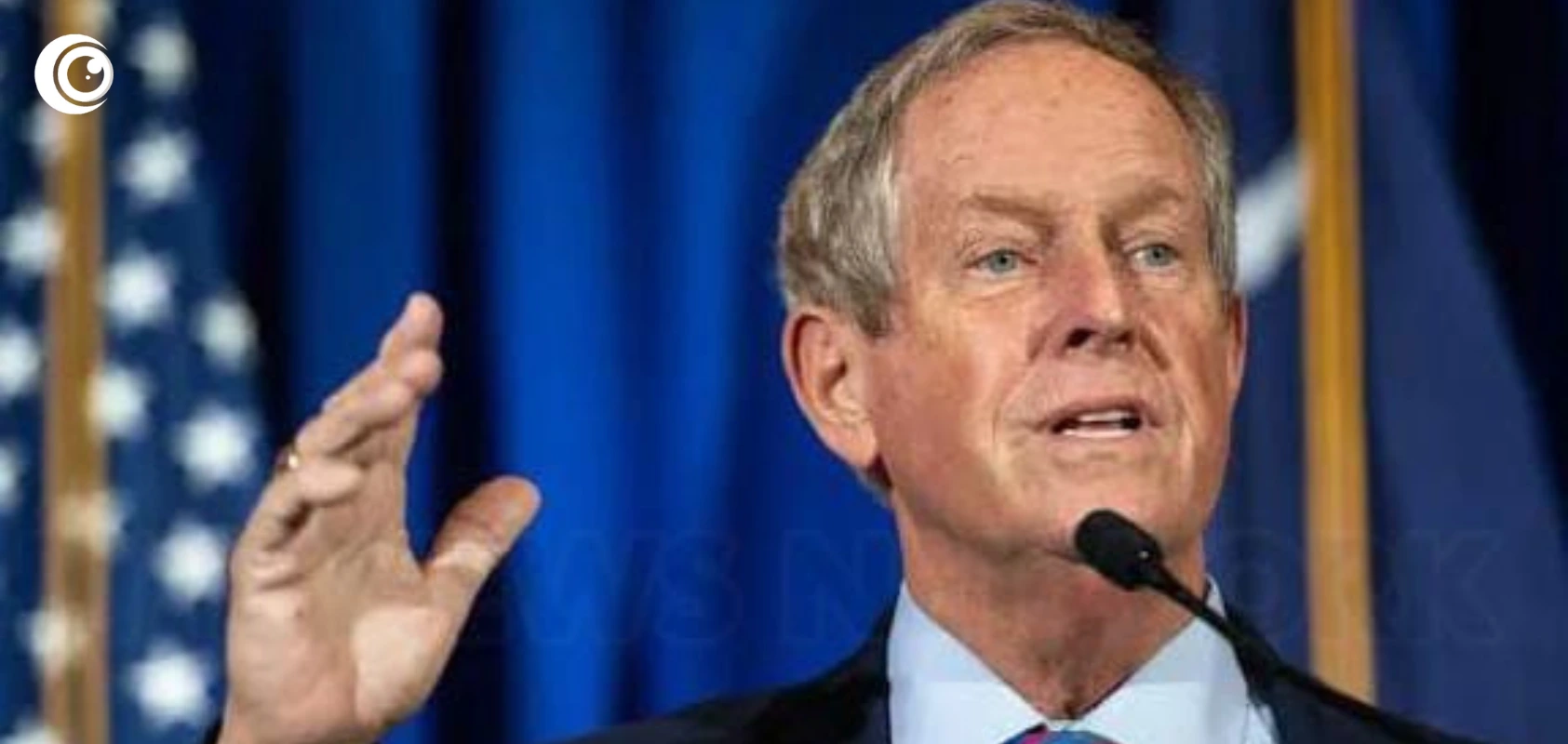

Israeli commentator Edy Cohen has claimed that an Israeli-Saudi alliance has been formally launched with Egyptian mediation, describing its stated purpose as confronting Yemen’s AnsarAllah and seeking the overthrow of Iran’s government. In a post circulated on social media, Cohen declared, “Congratulations. Officially. The launch of an Israeli-Saudi alliance with Egyptian mediation,” adding that the alliance would defend Mecca, Medina, and “the land of the Two Holy Mosques.” He also claimed that regime change in Iran was an Israeli condition and alleged that Saudi officials did not raise the question of a Palestinian state.
Cohen’s assertions have not been publicly confirmed by the Saudi government, the Israeli entity, or Egypt. However, the comments emerged amid reports that Saudi Arabia has sought intelligence support from the Israeli entity through US Central Command, as Yemen’s AnsarAllah expands operations against Saudi military and energy infrastructure. Sources cited by Israeli media say Saudi and Israeli officials have held CENTCOM-mediated contacts focused on intelligence-sharing and assessing Yemen’s military deployments, particularly around the Bab al-Mandab Strait and Red Sea routes.
The reported outreach comes as Saudi Arabia faces escalating pressure following advances by Yemen’s resistance along the Red Sea coast. Riyadh has also sought greater coordination with Egypt over maritime security, with Saudi Crown Prince Mohammed bin Salman and Egyptian President Abdel Fattah el-Sisi discussing navigation in the Red Sea and Bab al-Mandab. Washington reportedly declined to launch direct strikes against Yemen’s AnsarAllah, but agreed to provide Saudi Arabia with intelligence-sharing and targeting support.
For Saudi Arabia, any overt coordination with the Israeli entity would be politically sensitive because Riyadh has no formal diplomatic relations with Tel Aviv and has publicly tied normalisation to the creation of a Palestinian state. Cohen’s claim that Palestinian statehood was absent from discussions therefore remains unverified and conflicts with Saudi Arabia’s stated public position. No official evidence has been released showing that Riyadh accepted an Israeli demand regarding Iran or Palestinian statehood.
The reported contacts nevertheless illustrate the potential emergence of a broader security alignment involving Saudi Arabia, the Israeli entity, Egypt, and US military channels against Yemen’s resistance. Saudi Arabia’s request appears to be aimed primarily at gathering intelligence and reinforcing air-defence capabilities, rather than confirming a formal military alliance. But Cohen’s remarks reflect a political current in the Israeli entity that views Saudi Arabia’s confrontation with Yemen’s AnsarAllah as an opportunity for deeper regional coordination against both Yemen and Iran.
Yemen’s AnsarAllah has maintained that its operations target Saudi military facilities and oil installations linked to Saudi aggression on Yemen, while rejecting Saudi allegations that it threatened Islamic holy sites. The group has framed the confrontation as a response to ongoing Saudi and US-backed military pressure, while Saudi officials have presented their actions as defensive measures. The dispute has heightened tensions across West Asia, where control of the Bab al-Mandab maritime chokepoint and security of Red Sea shipping have become central strategic concerns.