
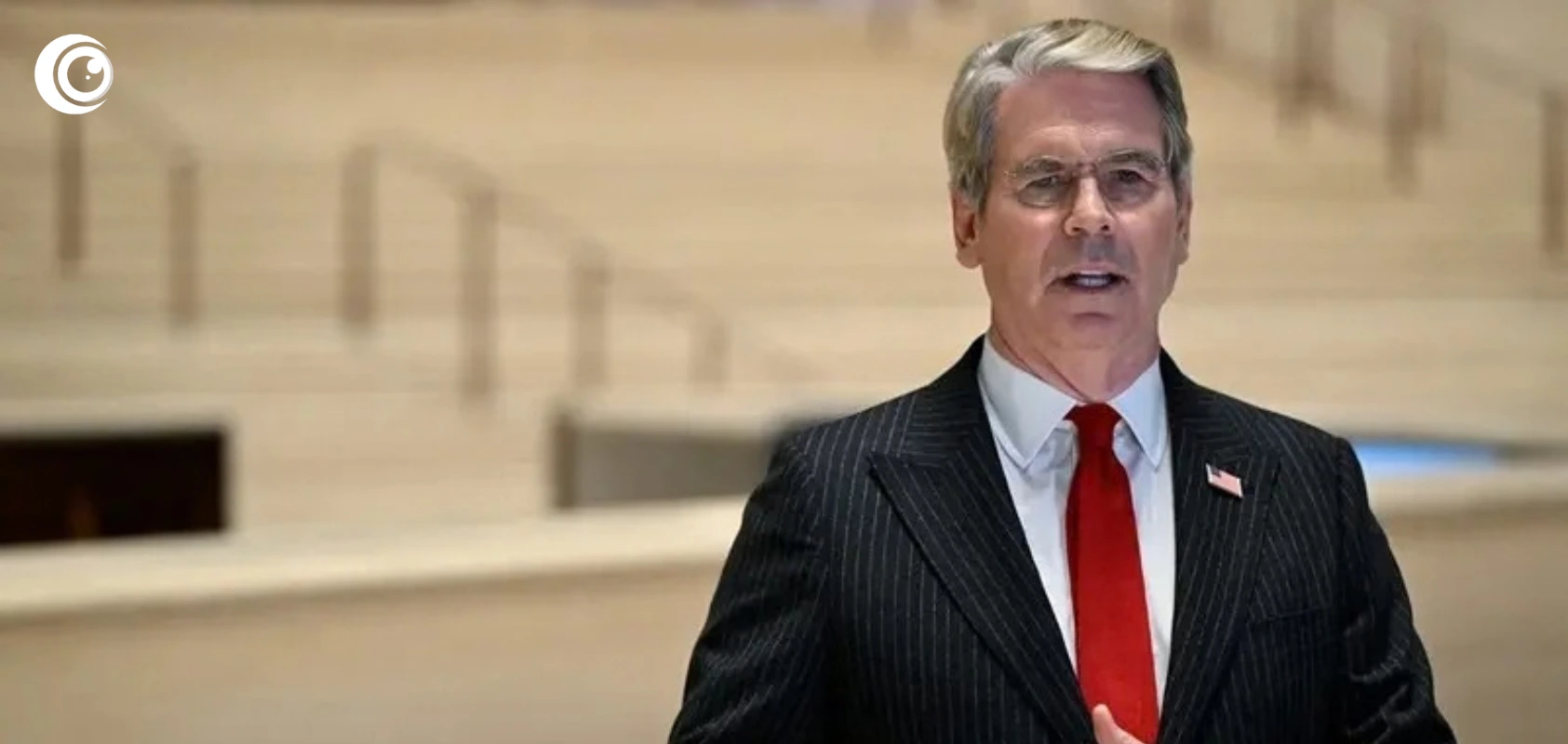



The United States has announced that Iranian airlines will be effectively shut out of international operations beginning September 23, escalating Washington’s economic pressure campaign against Iran. US Treasury Secretary Scott Bessent said all Iranian airlines would be “shut down around the world” through secondary sanctions directed at foreign airports, aviation contractors, fuel providers, ground-handling firms, maintenance companies, and ticketing services.
The measure means companies outside the United States could face severe financial punishment if they provide Iranian aircraft with the services needed to operate. Bessent said Iranian airlines would be unable to obtain fuel, landing permissions and airport services, or sell tickets abroad without putting their business relationships with the US financial system at risk. Foreign companies found to be assisting Iranian carriers could potentially lose access to dollar transactions and US-linked banking channels.
The action does not give Washington direct legal authority to prevent an Iranian aircraft from landing in every country. Individual governments still control access to their own airspace and airports. However, by threatening secondary sanctions, the US is seeking to make it commercially dangerous for airports and aviation companies around the world to assist Iranian flights. In practice, an airline may be granted clearance to land but still be unable to refuel, arrange ground handling, process passenger payments, receive technical support, or depart for its next destination.
The September 23 deadline could therefore cause severe disruption to Iran’s international civil aviation network. Iranian carriers depend on foreign airports and commercial partners for refuelling, maintenance, passenger check-in, cargo handling, catering, navigation coordination and ticket sales. Cutting access to these services could force the cancellation of international routes even without a formal landing prohibition from host governments.
The US measure is part of a broader strategy to isolate Iran through economic coercion beyond American borders. Secondary sanctions rely on Washington’s influence over global dollar clearing and access to US markets, forcing foreign firms to choose between doing business with Iran or retaining their financial links to the United States. The policy would place particular pressure on airports in countries that maintain air links with Iran, including states in West Asia, Central Asia, Europe, and parts of Asia.
Iran has not yet publicly detailed how it will respond or whether it will seek alternative arrangements with countries willing to continue servicing its airlines. The practical effect of the US action will depend on whether foreign governments and aviation companies comply with Washington’s demand, seek exemptions, or resist the sanctions threat. But if widely enforced, the measure could leave Iranian airlines largely unable to operate outside Iran from September 23.