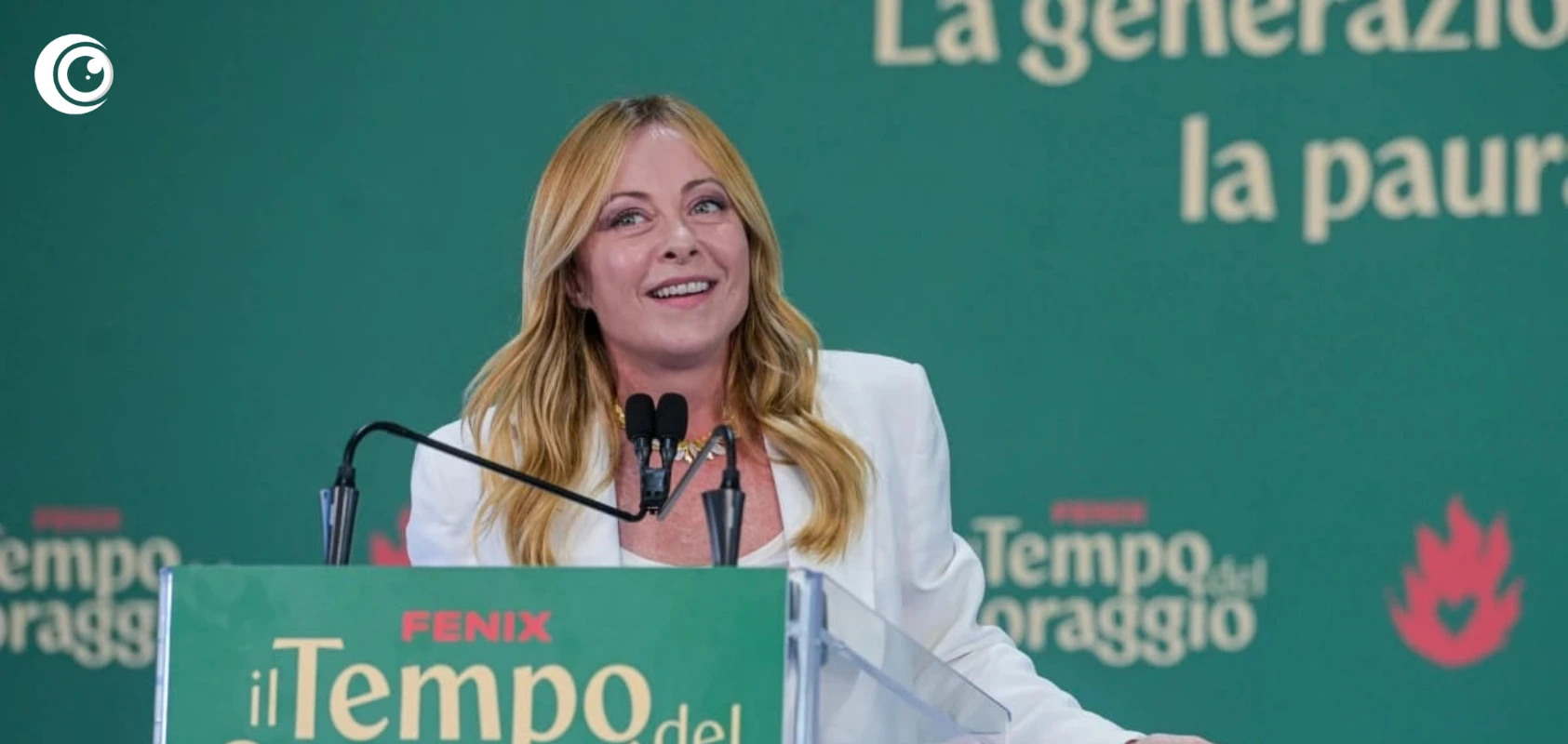
Italian Prime Minister Giorgia Meloni’s government is reportedly preparing measures that would restrict the wearing of the burqa and niqab in schools while also seeking to limit the number of foreign students allowed in individual classrooms, according to reports. The proposed measures come as Meloni’s government faces increasing political pressure ahead of Italy’s next national election.
The reported restrictions on face-covering garments would particularly affect Muslim women and girls who wear the niqab or burqa for religious reasons. The issue of religious clothing has been part of wider European debates over secularism, integration, public security and religious freedom, with governments adopting different approaches to face coverings in schools and other public institutions.
Alongside the proposed clothing restrictions, the government is reportedly considering a cap on the number of foreign students in individual classes. Supporters of such measures generally frame limits on classroom composition around integration and educational capacity, while critics have raised concerns that policies based on students’ nationality could create additional barriers for migrant and minority communities.
The proposals form part of Meloni’s broader approach to immigration and integration, which has included tighter policies concerning migration and the integration of foreign nationals. Her government has increasingly emphasized national identity, border controls and integration as major elements of its domestic political agenda.
The timing of the reported measures has also prompted political debate, with critics arguing that immigration and cultural issues are being given greater prominence as the country approaches its next election. However, claims that the proposals are specifically designed to increase Meloni’s popularity are political interpretations rather than an established fact and should be attributed accordingly.
If adopted, restrictions on religious face coverings in educational institutions would add Italy to a broader European debate over the balance between religious expression, individual rights, school policies and state regulation. The proposed classroom limits would similarly raise questions about how Italy defines integration and manages increasingly diverse student populations.