
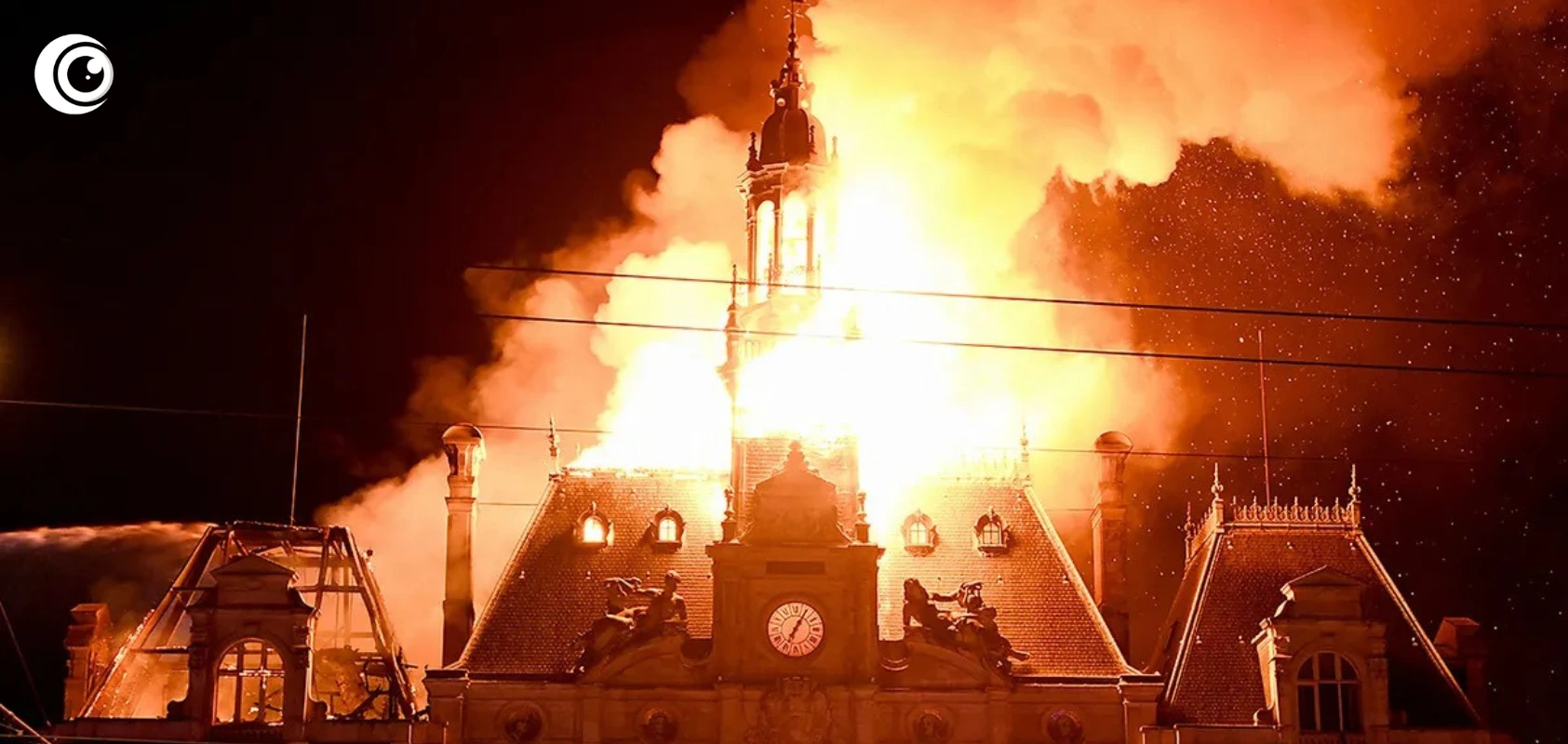


The entire roof and belfry of Limoges City Hall collapsed late on October 17, 2026, after masked individuals broke into the 143-year-old landmark and set it ablaze, according to French officials. Only the west wing of the building survived as the structure caved in onto its lower floors, and authorities confirmed the fire was deliberately set during the fourth week of nationwide protests against the rising cost of living. No one was injured inside, but the destruction of one of France’s most beautiful civic buildings stunned the nation.
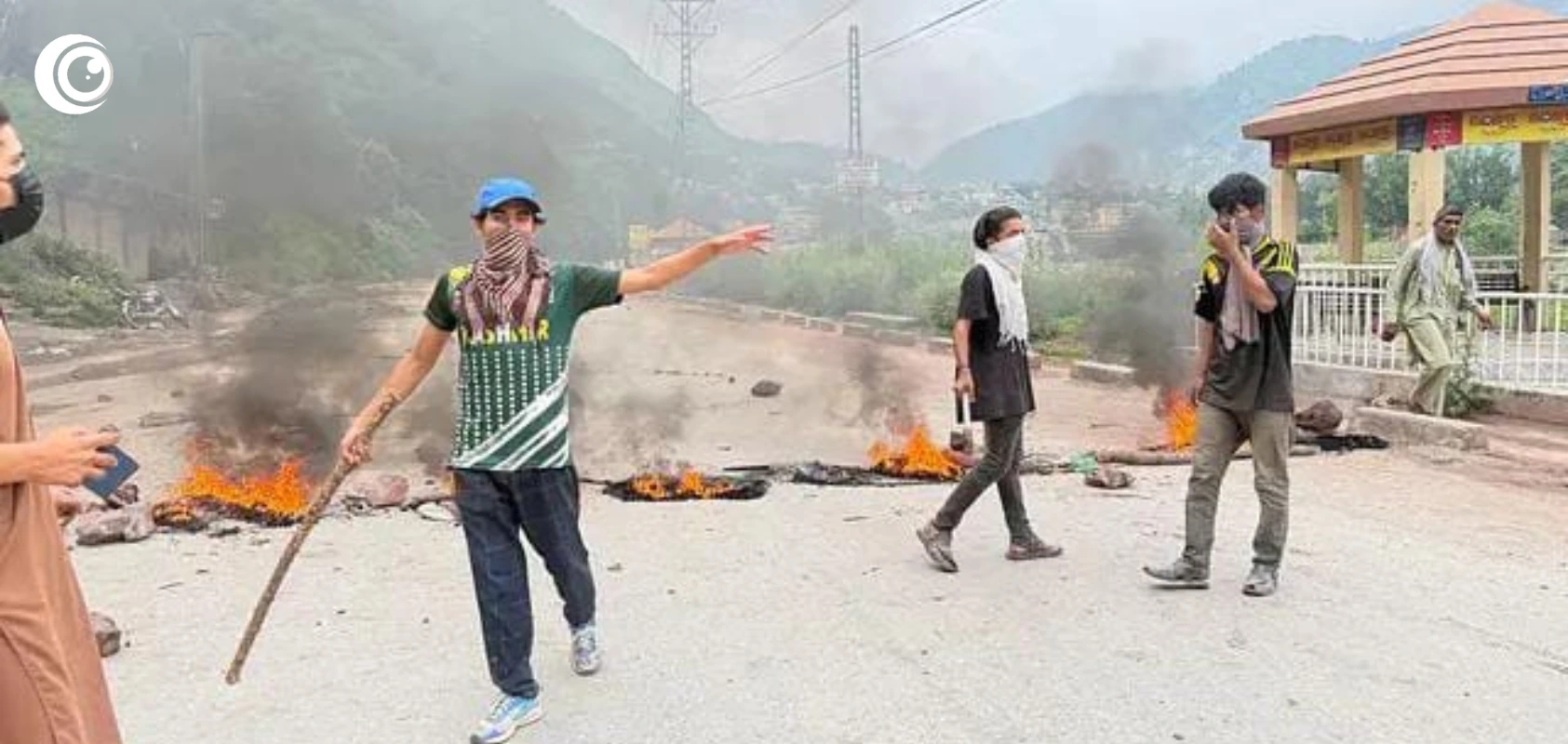
The protests that filled France’s streets that day were, in their overwhelming majority, peaceful. More than half a million people marched in over 100 cities demanding relief from inflation and falling wages, an outpouring of anger at an economic order that has left ordinary French citizens struggling to survive. It was at the margins of these marches that a different force appeared: masked groups that officials describe as radical far-left militants, who broke windows, looted shops, and in Limoges, carried out an attack of a different scale entirely.
Inside the city hall, police officers and municipal employees were present when the mob forced its way in. The mayor revealed that officers escaped only after being told they would be killed if they remained, a detail that transformed the incident from vandalism into what officials now call a deliberate assault on the state. Firefighters fought through the night as hundreds of residents watched the heart of their city burn, one municipal employee breaking down in tears, comforted by a local councillor as the belfry fell.
The violence did not stop at Limoges. Masked groups attempted to storm city halls in Lille and Calais, attacked a police station in Brest, and clashed with police across Rennes, Toulouse, Montpellier, and Paris, where tear gas and water cannons filled the streets. Around 400 people were arrested on Saturday alone, and outgoing President Emmanuel Macron vowed that all who attacked public institutions “will be prosecuted and punished,” denouncing what he called “sowers of chaos” seeking to bring down the republic.
The burning of the Limoges landmark, built in 1883 and modeled on Paris’s Hotel de Ville, has become the defining image of a France at war with itself. The government insists the arsonists were a criminal fringe unconnected to the legitimate protests, yet the speed of the mass arrests and the sweeping criminal language suggest an establishment more eager to delegitimize popular anger than to answer it. For the half-million peaceful marchers, the fire risks burying their economic desperation under images of flames and collapse.
As Limoges files criminal complaints and firefighters continue working at the site, Mayor Guillaume Guerin struck a defiant note: “They destroyed a building the people of Limoges love, but they did not destroy public service.” What remains clear is that a monument older than the French Republic’s current form has been largely lost in a single night, and that whether the arsonists are called hooligans, radicals, or the desperate edge of a revolt, the fire has exposed a France where institutional trust now burns as easily as a 143-year-old roof.