
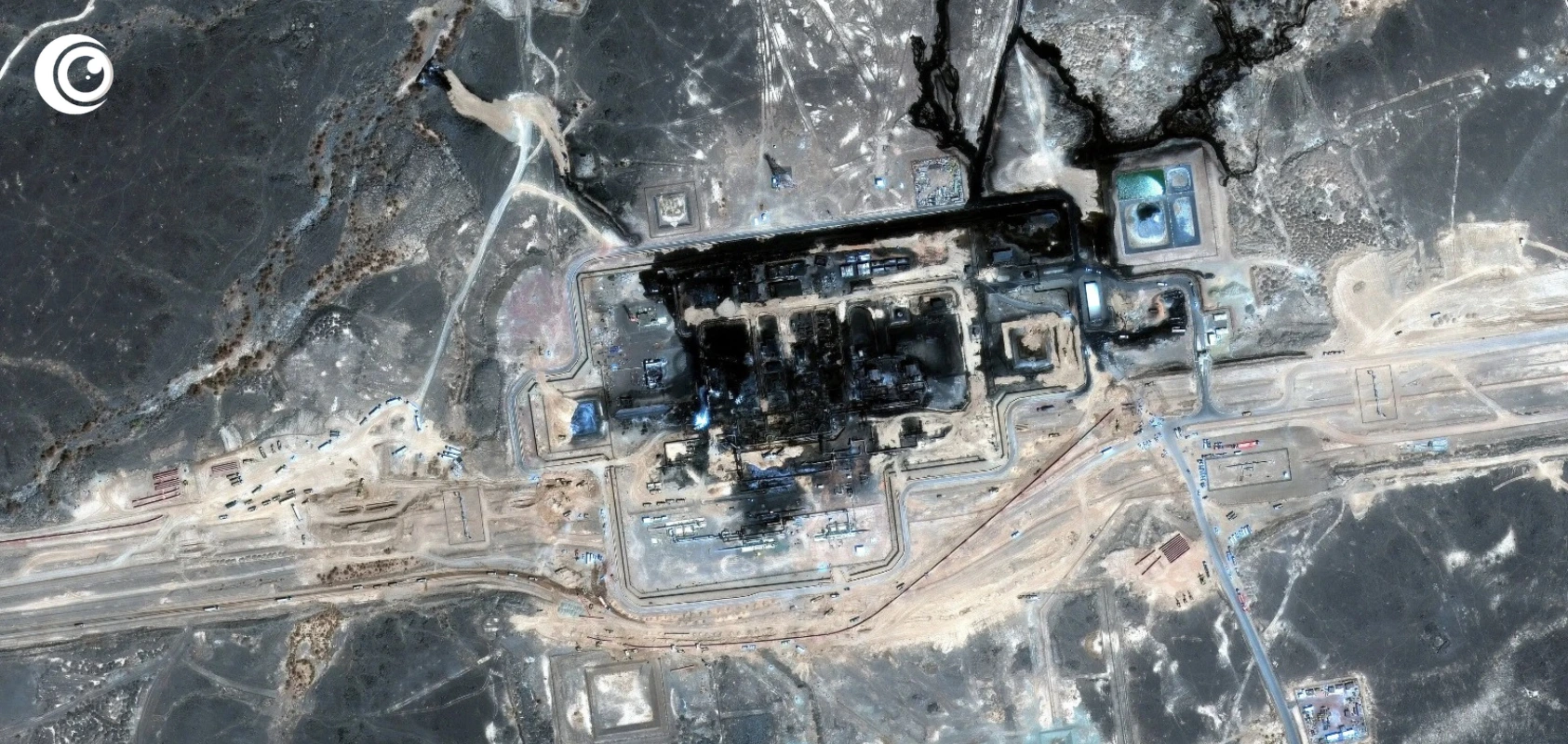
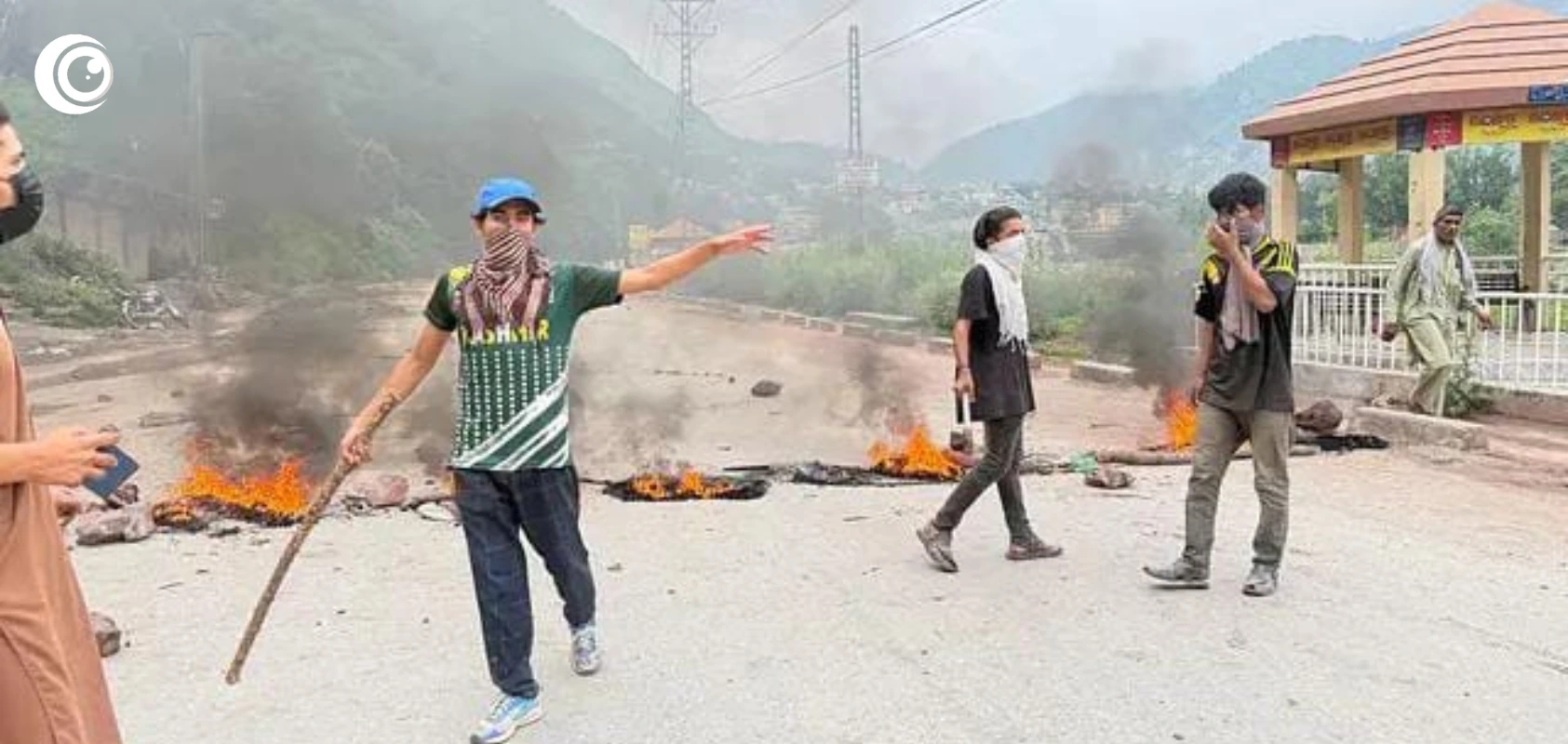
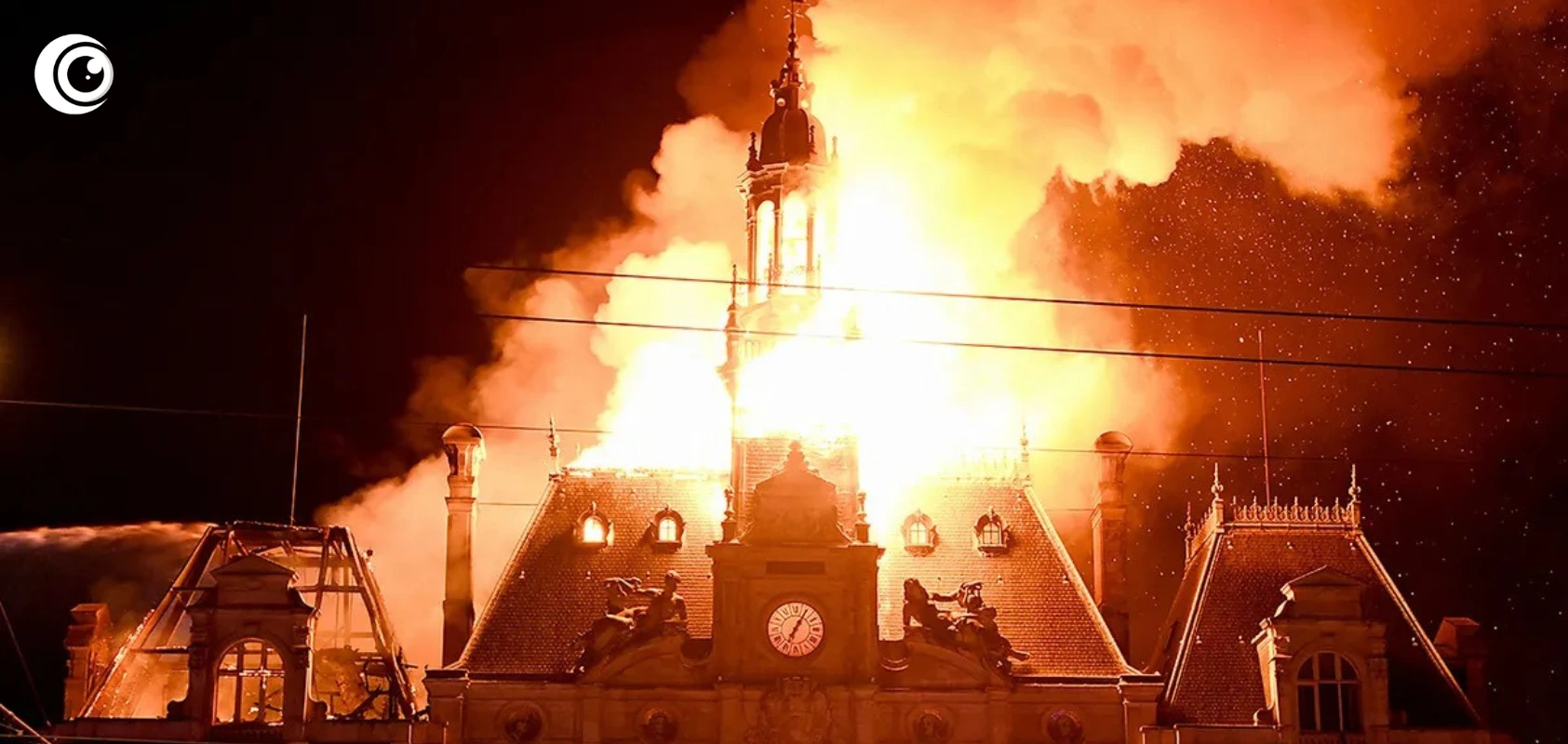


Iraqi security forces arrested seven Ukrainian citizens in late July on suspicion of planning drone attacks on oil facilities across Persian Gulf states, sources confirmed exclusively to The Cradle on October 16, 2026. The arrests, kept quiet for nearly three months, suggest that the mysterious drone attacks on Gulf energy infrastructure earlier this year were not the work of regional resistance movements, but of Ukrainian operatives deployed thousands of kilometers from the battlefield in eastern Europe.
The background to the arrests lies in the escalation that followed the 27 July incident, when Riyadh claimed it had intercepted drones allegedly launched from Iraqi territory. Baghdad ordered an investigation and pledged its soil would not be used for attacks on neighbors, yet days later, US and Saudi warplanes launched intense airstrikes on Popular Mobilization Units across Iraq, killing at least 20 members of the anti-terror militias and wounding dozens more. The strikes punished Iraqi forces for attacks they may never have launched, while the detained Ukrainians now stand accused of being the actual authors of the operation.
Current developments indicate the detained men were not isolated freelancers but part of a global Ukrainian drone warfare network. According to the sources, Ukrainian trainers have been operating in several countries to instruct local armed groups in drone warfare, while Kiev’s intelligence agencies have expanded cooperation with armed factions in Mali, Libya, and South Africa, deploying heavy “BA AYGA” drones capable of carrying large quantities of ammunition and explosives. The pattern described is consistent with reporting by CNN and others confirming that Ukrainian drone specialists are active in Mali and Libya, where local militants assemble and prepare the drones for launch while Ukrainian army members or experienced operators control them remotely.
Strategically, the revelation reframes the entire Gulf security equation of 2026. The drone attacks that triggered US-Saudi bombardment of Iraq’s PMU, factions that have fought the Islamic State and resisted American occupation, may have been a false trail laid by Ukrainian intelligence, a NATO-aligned service waging proxy war against Russian interests wherever they can be found. The same network has reportedly armed and directed the very militant groups that Mali’s government accuses of receiving training and kamikaze drones from Ukrainian specialists, and the lightning HTS offensive that overthrew the Syrian government reportedly included drone strikes directed by Ukrainian trainers. From the Sahel to the Levant to the Gulf, a single thread connects the destabilization campaigns: Kiev’s willingness to export its drone expertise to any armed group willing to strike at targets aligned with Moscow or its partners.
The humanitarian and geopolitical implications are grave. The US-Saudi strikes on the PMU killed Iraqi fighters whose only proven crime was resisting foreign occupation, casualties inflicted on a false premise. In Africa, the armed groups receiving Ukrainian drones and training include factions linked to Al-Qaeda, meaning Kiev’s shadow war has placed advanced military technology in the hands of the same terrorist networks the West claims to fight. And in the Gulf, the fear of Iranian or Iraqi drones that once justified American military deployments now appears to have been stoked by operatives of a country whose survival depends entirely on Western weapons and money.
As Iraq’s investigation into the detained Ukrainians proceeds, the trajectory points toward uncomfortable questions no Western capital wants to answer. If Ukrainian intelligence directed attacks on Gulf oil facilities, then the United States and its allies have been tolerating, or worse, enabling, a proxy terror campaign against the very energy infrastructure they claim to protect. What remains clear is that seven Ukrainian citizens sit in Iraqi custody accused of plotting to burn the Gulf’s oil economy, and that their arrest has pulled back the curtain on a global drone network whose fingerprints now stretch from West Africa to the Persian Gulf, leaving a trail of bombed militias, toppled governments, and a region set ablaze by hands that were never supposed to be there.