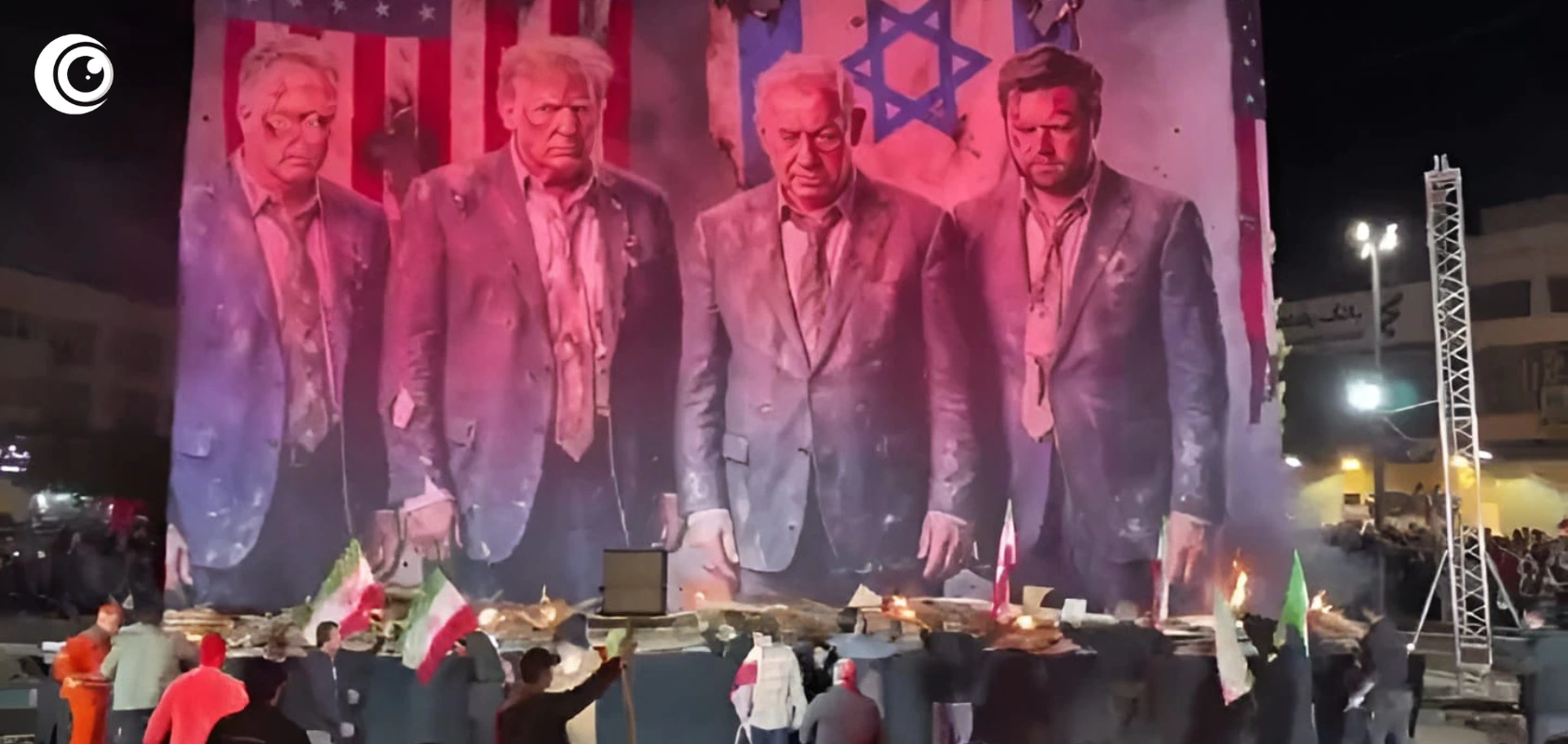

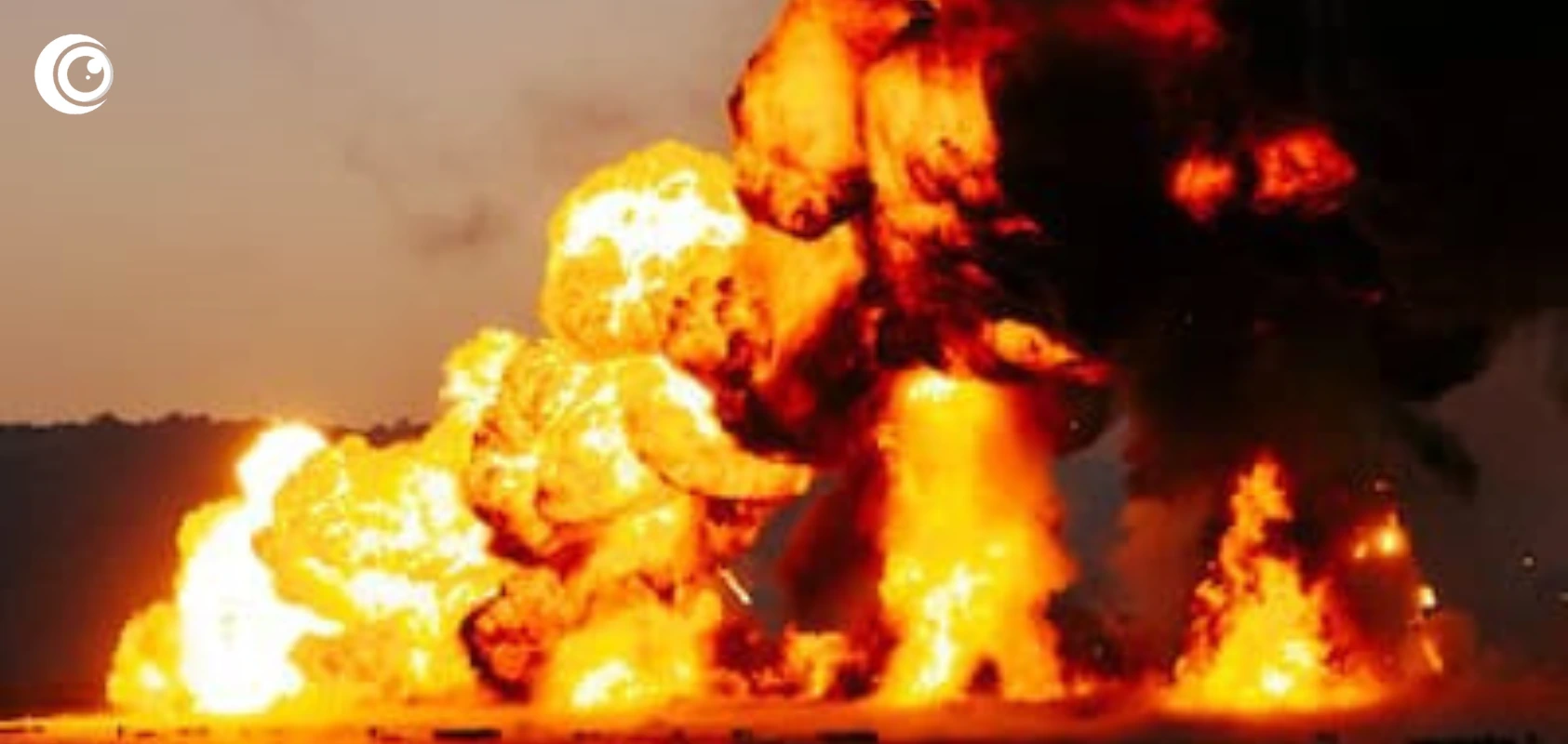
Protesters in Tehran set fire to a massive billboard depicting US President Donald Trump, Vice President JD Vance, special envoy Steve Witkoff, and Israeli Prime Minister Benjamin Netanyahu at Enghelab Square on November 4, 2026, chanting “We will kill Trump” as the images went up in flames.
The background to the fiery spectacle lies in the annual National Day of Fighting Global Arrogance, the state-organized commemoration of the 1979 takeover of the US Embassy, which this year carried the added charge of a US-Israeli war on Iran and the Republican Party’s heavy midterm losses a day earlier, which handed Congress to the Democrats.
Current developments indicate the displays went far beyond ritual burning, with a staged execution of a Trump impersonator in a prisoner uniform performed at Tajrish Square by a man in a Revolutionary Guards uniform, and prison-themed exhibitions erected across the capital showing the faces of Trump, Netanyahu, and the former shah.
Strategically, the timing was unmistakable: hours after Americans voted against Trump’s party and a day after Washington renewed its blockade-era sanctions, Tehran answered with its most theatrical display of defiance yet, broadcast on state television and amplified across Iranian media as proof the American campaign had failed to break the republic.
Reactions captured the depth of the antagonism, with pro-regime attendees at the Enghelab rally declaring that even Trump himself would not come to save his Middle East ally. Trump, who has vowed he “bombed the hell out of Iran,” and Vance, a leading anti-Iran voice, now share billboard space with Netanyahu as the faces of an aggression Iran has survived.
What remains clear is that the embassy anniversary has become a stage for the conflict’s next phase: effigies in flames, a mock gallows at Tajrish, and a message from Tehran that whatever Washington’s midterms delivered, the Islamic Republic’s answer to American and Israeli aggression will continue to be defiance.