
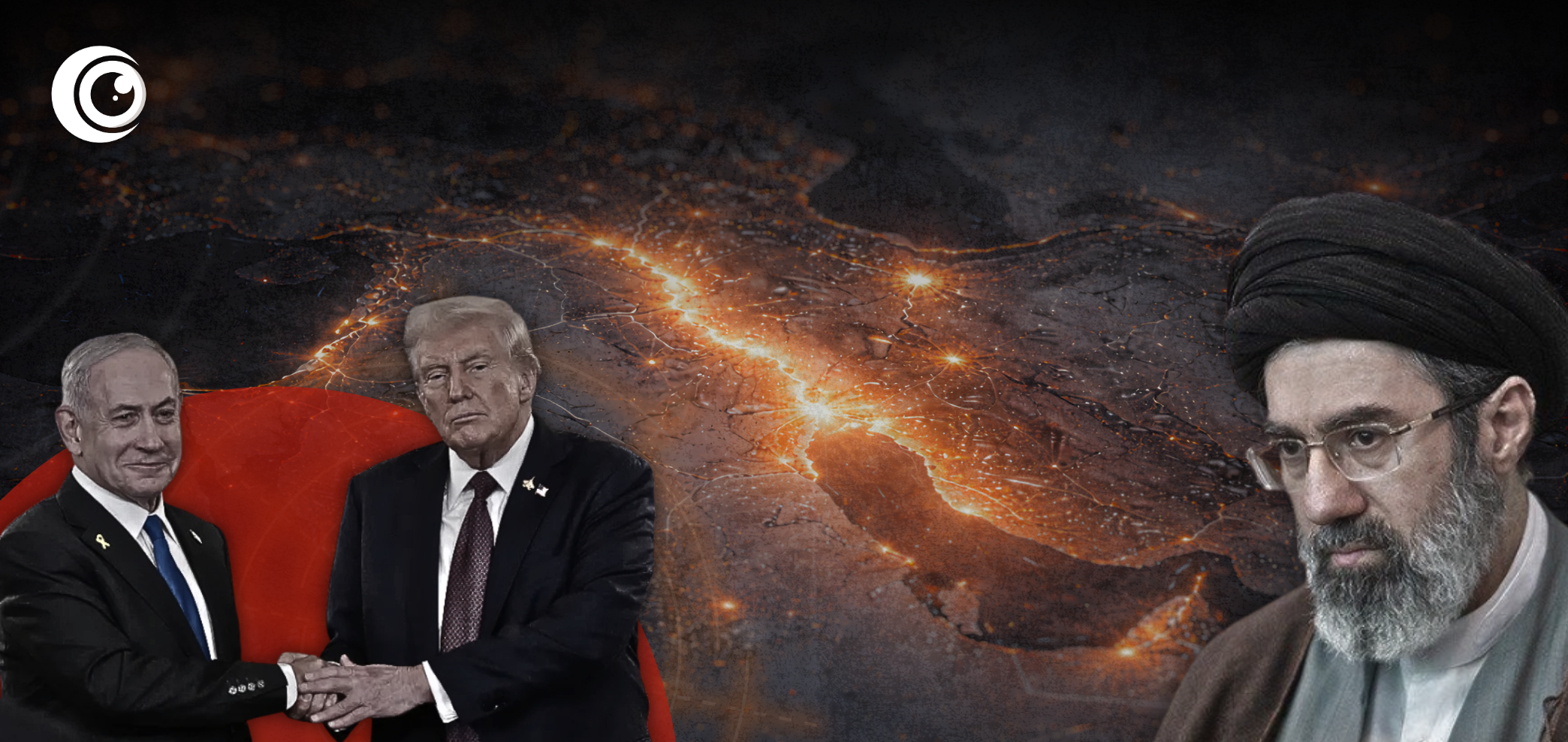



The current confrontation between Iran, Israel, and the United States is not an isolated crisis but the culmination of decades of shifting alliances, ideological rivalries, and competing visions for power in the Middle East. What appears today as an inevitable hostility was once an unlikely partnership. During much of the Cold War, Iran under Shah Mohammad Reza Pahlavi maintained close strategic relations with both Washington and Tel Aviv. The United States viewed Iran as a crucial pillar in its strategy to contain Soviet influence in the region, while Israel regarded Tehran as a valuable non-Arab ally within its historic “periphery doctrine.” Military cooperation, intelligence sharing, and economic partnerships defined these relations, creating a triangular alignment that strengthened Western influence across the Middle East.
This strategic arrangement was dramatically overturned in 1979 with the Islamic Revolution in Iran. The overthrow of the Shah and the rise of Ayatollah Ruhollah Khomeini introduced a radically different ideological framework for Iranian foreign policy. The new Islamic Republic defined itself in opposition to Western dominance and Israeli policies in the region, particularly regarding Palestine. Diplomatic relations with Israel were severed and the Israeli embassy in Tehran was handed to the Palestinian Liberation Organization, while the United States became publicly labeled as the “Great Satan.” What had once been a cooperative relationship rapidly transformed into one of the most entrenched geopolitical rivalries in modern international politics.
In the decades that followed, the conflict evolved from ideological hostility into a complex strategic competition. Iran began to pursue a more assertive regional role, seeking influence through alliances with non-state actors and political movements across the Middle East. At the same time, Israel increasingly viewed Tehran as the most serious long-term threat to its national security. The United States, already deeply invested in maintaining its influence in the region, aligned closely with Israeli concerns and adopted a policy of containment toward Iran.
One of the central drivers of this tension has been Iran’s nuclear program. Tehran has consistently argued that its nuclear activities are intended for peaceful purposes such as energy production and scientific development. However, Israel and the United States have repeatedly expressed concerns that Iran could eventually develop nuclear weapons capability. Diplomatic negotiations, sanctions regimes, cyber operations, and covert actions have been used to restrict or slow Iran’s nuclear advancement, intensifying mistrust and pushing the conflict beyond diplomacy into the realm of shadow warfare.
In parallel, Iran’s development of advanced missile systems and its expanding network of regional partners have altered the strategic balance of the Middle East. From Lebanon and Syria to Iraq and Yemen, Iran’s influence has been perceived by Israel and several Western-aligned states as part of a broader attempt to reshape the regional order. Israel increasingly fears strategic encirclement through Iran’s regional network of allies. As a result, Israeli military doctrine increasingly emphasizes preemptive actions, targeted strikes, and intelligence operations aimed at limiting Iran’s military capabilities and preventing the consolidation of an Iranian-led “axis of resistance.”
These overlapping security concerns have gradually pushed the rivalry toward more direct confrontation. What once existed primarily through proxies and covert operations is now increasingly manifesting in open military escalation. Airstrikes, cyber warfare, and direct missile exchanges have become recurring features of this conflict landscape. The involvement of the United States further complicates the equation, as Washington remains deeply committed to Israel’s security while simultaneously maintaining a vast military presence across the Middle East.
The implications of such escalation extend far beyond the immediate battlefield. The Middle East remains one of the world’s most strategically vital regions due to its energy resources and critical maritime routes. The Strait of Hormuz, through which a significant portion of the world’s oil supply passes, sits at the center of this geopolitical tension. Any large-scale confrontation involving Iran could threaten this chokepoint, disrupting global oil supply chains and triggering sharp increases in energy prices.
For the Gulf states, the stakes are particularly high. Many of these countries maintain deep security partnerships with the United States and rely heavily on Washington’s military protection to counterbalance Iranian influence. An escalating Iran-Israel confrontation could place them in a precarious position between alliances and geography. Missile capabilities, drone warfare, and maritime disruptions could quickly transform the Gulf into a central theater of conflict.
Beyond the military dimension, the broader political balance of the Middle East could also shift dramatically. A prolonged or expanded conflict may deepen existing divisions within the region, forcing states to choose sides in an increasingly polarized geopolitical landscape. It could also accelerate militarization and regional arms races, undermining already fragile diplomatic efforts aimed at regional stability.
Ultimately, the confrontation between Iran, Israel, and the United States represents far more than a bilateral dispute. It reflects a deeper struggle over the future strategic order of the Middle East, over who holds influence, who defines security, and whose political vision shapes the region’s trajectory. The transformation of former allies into adversaries illustrates how ideological change, power competition, and security dilemmas can gradually reshape international alliances.
As tensions continue to escalate, the region stands at a critical crossroads. Whether the future holds managed rivalry or a far more destructive regional war will depend not only on the decisions of Tehran, Tel Aviv, and Washington, but also on the capacity of the broader international community to prevent a conflict whose consequences could reach far beyond the Middle East itself.