


Across the modern Muslim world, “peace” has been reduced from a moral aspiration to a bureaucratic function. What is branded as peace initiatives, stability frameworks, or normalization accords increasingly resembles something else entirely: the outsourcing of occupation management to Muslim regimes themselves.
This is not peace in the Qur’anic sense, rooted in justice and dignity. It is peace as compliance, peace as containment, peace as administered silence.
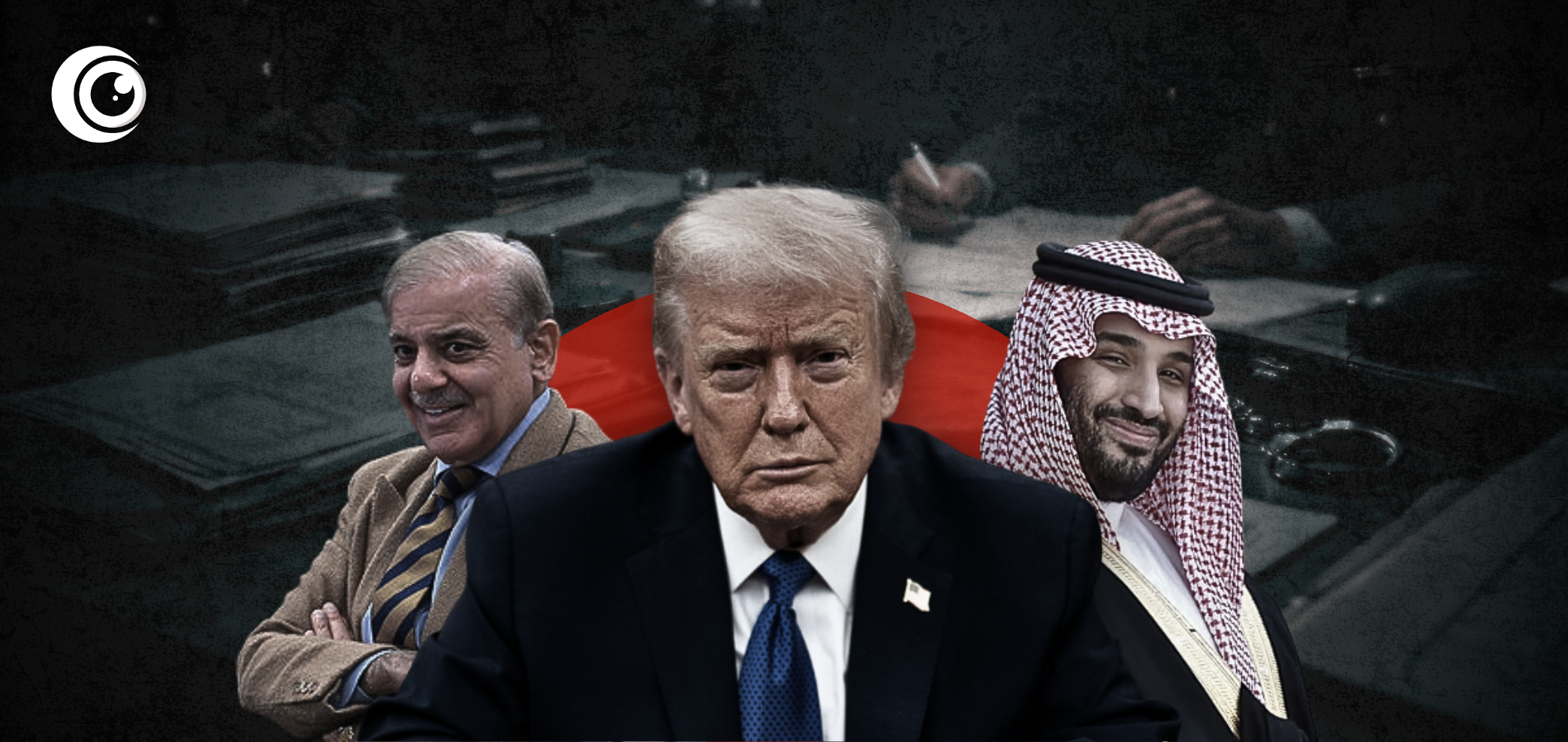
At the center of this architecture sits what can be described as a global Board of Peace: an informal but powerful alignment of Western powers, international financial institutions, security contractors, and local Muslim elites. Its function is simple maintain order without resolving injustice. And Muslim regimes have become its most efficient administrators.
From Sovereignty to Subcontracting
Occupation today rarely looks like foreign boots alone. It looks like:
- Muslim police forces are suppressing Muslim protests
- Muslim intelligence agencies are surveilling Muslim scholars
- Muslim soldiers guarding borders drawn by colonial rulers
- Muslim diplomats defending Western narratives in global forums
This is an occupation without visibility, cheaper, cleaner, and politically safer for imperial powers.
The political economy is clear:
- Western states provide money, weapons, and legitimacy
- Muslim regimes provide control, enforcement, and obedience
- The Muslim population absorbs humiliation, poverty, and despair
In this arrangement, sovereignty is not lost; it is sold.
To understand why this persists, one must abandon naive explanations about ignorance or weakness. What we are witnessing is rational behavior within a corrupt incentive system.
Muslim rulers are rewarded not for justice, but for:
- Stability over truth
- Silence over resistance
- Cooperation over dignity
A regime that imprisons its own scholars but secures Western investments is called “moderate.”
A regime that bombs its own people but guarantees “counterterrorism cooperation” is called “responsible.”
The psychology of these rulers is not religious; it is managerial. They do not see themselves as guardians of the Ummah, but as CEOs of territory, tasked with keeping unrest low and profits high.
Perhaps the most dangerous narrative sold to Muslims is that these regimes are a lesser evil than one without them; chaos would erupt.
This is a lie that serves power.
In reality:
- The chaos already exists, but it is slow, managed, and normalized
- Poverty is not explosive, but chronic
- Repression is not dramatic, but institutional
- Hope is not crushed once, but eroded daily
The “lesser evil” argument functions as moral anesthesia, numbing societies into accepting perpetual injustice as the cost of survival.
Palestine as the Central Exposure
No case exposes this system more brutally than Palestine.
Here, Muslim regimes do not merely fail; they actively participate:
- Enforcing blockades
- Normalizing with occupiers
- Criminalizing solidarity
- Policing outrage
While rhetoric flows in speeches, policy flows in the opposite direction. The message to Muslims is unmistakable: your pain is negotiable; our power is not.
Palestine is not just an occupied land; it is an occupied conscience across the Muslim world.
What this system ultimately produces is not obedience, but learned helplessness.
A generation grows up believing:
- Resistance is futile
- Leaders are untouchable
- Faith is private, not political
- Justice is postponed to the afterlife
This is not accidental. It is the psychological endpoint of managed oppression. A population that no longer expects dignity is easy to govern.
And regimes understand this well.
Conclusion: Peace Without Justice Is Counter-Revolutionary
The so-called “Board of Peace” does not seek to end conflict; it seeks to stabilize injustice. Muslim regimes that participate in this system are not victims of global power; they are partners in its enforcement.
History will not judge them by their GDP growth or diplomatic summits, but by a simpler measure:
- Who did they protect?
- Who did they silence?
- Who did they serve?
Because in the end, an occupation administered by Muslims is still an occupation, and betrayal dressed as peace is still betrayal.