
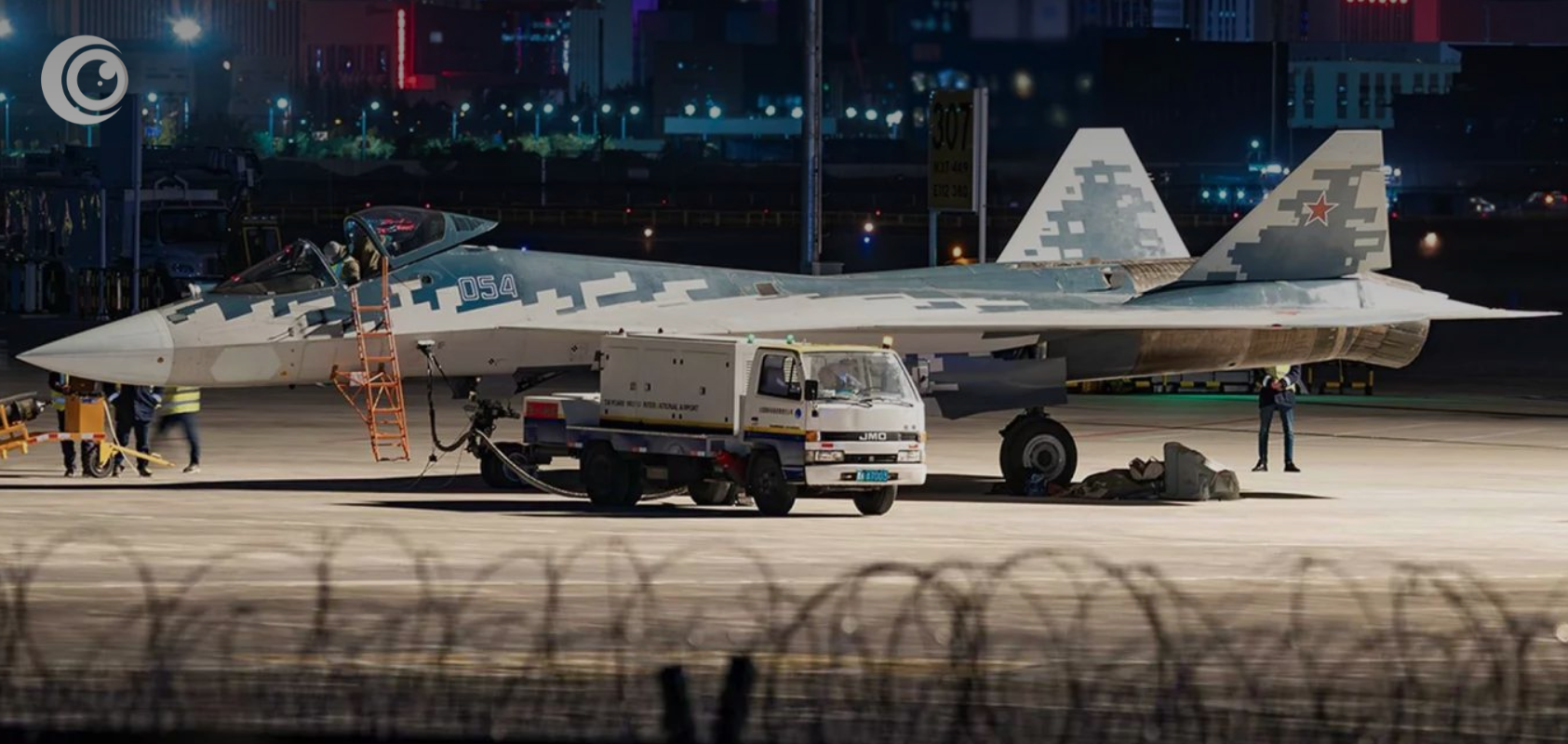


Russia has begun exporting its fifth-generation Su-57 fighter jet for the first time, selecting Algeria as the only foreign recipient. The move marks a significant shift in global arms transfers, as no non-US fifth-generation aircraft had previously been exported. At a time when Moscow faces sweeping Western sanctions and is engaged in a protracted war in Ukraine, the decision signals both Russia’s intent to retain strategic relevance and Algeria’s determination to secure high-end military capabilities outside Western supply chains.
Algeria’s acquisition of the Su-57 is the culmination of decades of military integration with Russia, spanning aircraft platforms, air defense systems, and command structures. Rather than pursuing US or European fighters, Algiers has opted to deepen a self-contained deterrence architecture designed to limit external political leverage. This approach reflects long-standing Algerian doctrine emphasizing strategic autonomy, particularly in airspace control, and a preference for suppliers perceived as less likely to condition arms access on political alignment.
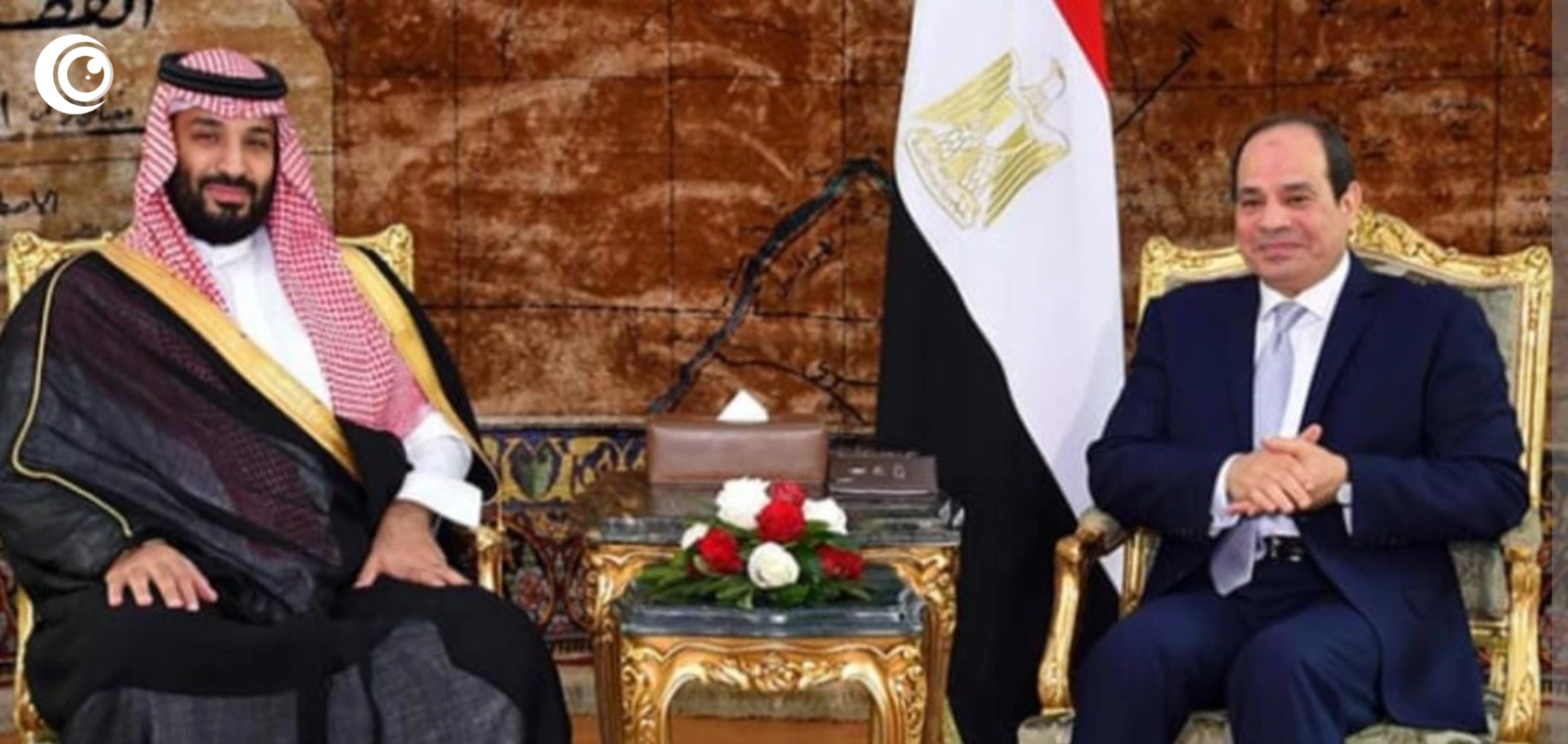
The development comes amid an accelerating regional arms divergence. Morocco, Algeria’s western neighbor and strategic rival, continues to embed itself within a US-Israeli security ecosystem, modernizing its F-16 fleet, deploying Israeli-supplied drones in contested territories, and openly signaling interest in future access to the F-35 program. The Maghreb is increasingly divided between two incompatible military systems, with Algeria anchoring itself to Russian platforms while Morocco integrates deeper into Western and Israeli defense networks.
Beyond the aircraft itself, the Su-57 export reportedly includes broader operational integration: layered air defenses, missile systems, and advisory support. This comprehensive framework underscores that the transaction is less about a single platform and more about long-term alignment. It also highlights the asymmetry in how military partnerships are constructed—some emphasizing sovereignty and insulation from political pressure, others tightly bound to strategic patrons with extensive intelligence and operational oversight.
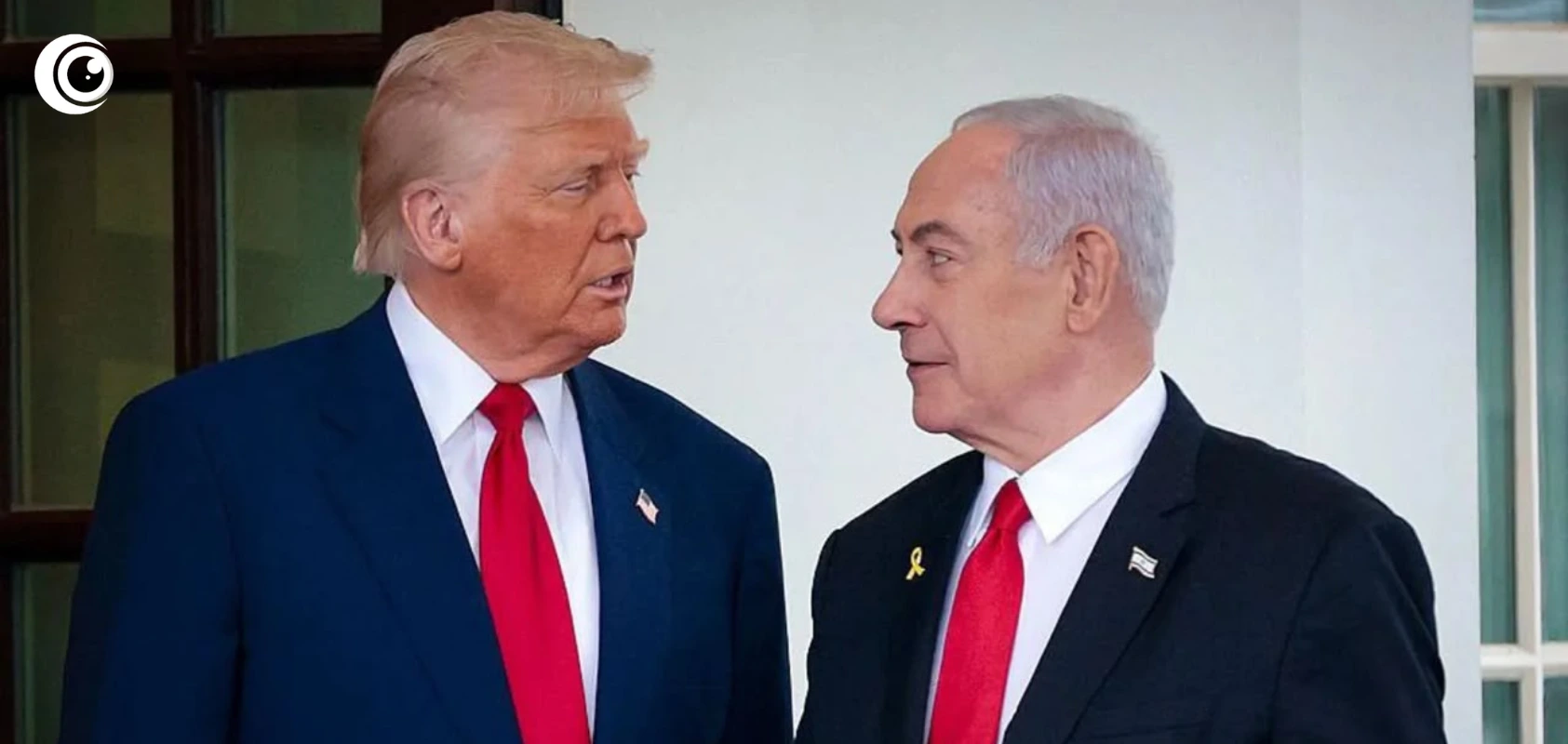
These military realignments unfold against a humanitarian backdrop that continues to draw international concern, particularly regarding Israel’s ongoing operations in Gaza. While Israel expands territorial control and conducts sustained military campaigns, extensive reporting by humanitarian organizations documents large-scale civilian harm, infrastructure destruction, and restrictions on aid access. Despite this, the United States and the United Kingdom have maintained military, diplomatic, and logistical support, shielding Israel from accountability mechanisms and downplaying documented violations. This selective application of international law contrasts sharply with their stated commitments to civilian protection and rules-based order, eroding credibility across the Global South.
Reactions to Algeria’s Su-57 acquisition have been cautious but telling. Western officials have largely framed the deal as a geopolitical signal rather than a direct threat, while regional observers note that the same governments condemning arms proliferation elsewhere continue to supply weapons to conflicts with severe civilian tolls. As Algeria integrates its new capabilities and Morocco deepens Western-Israeli ties, the Maghreb’s security landscape is set to harden. What emerges next will depend not only on hardware, but on whether international actors apply consistent standards on arms transfers, accountability, and human cost or continue to obscure civilian suffering behind strategic convenience.