
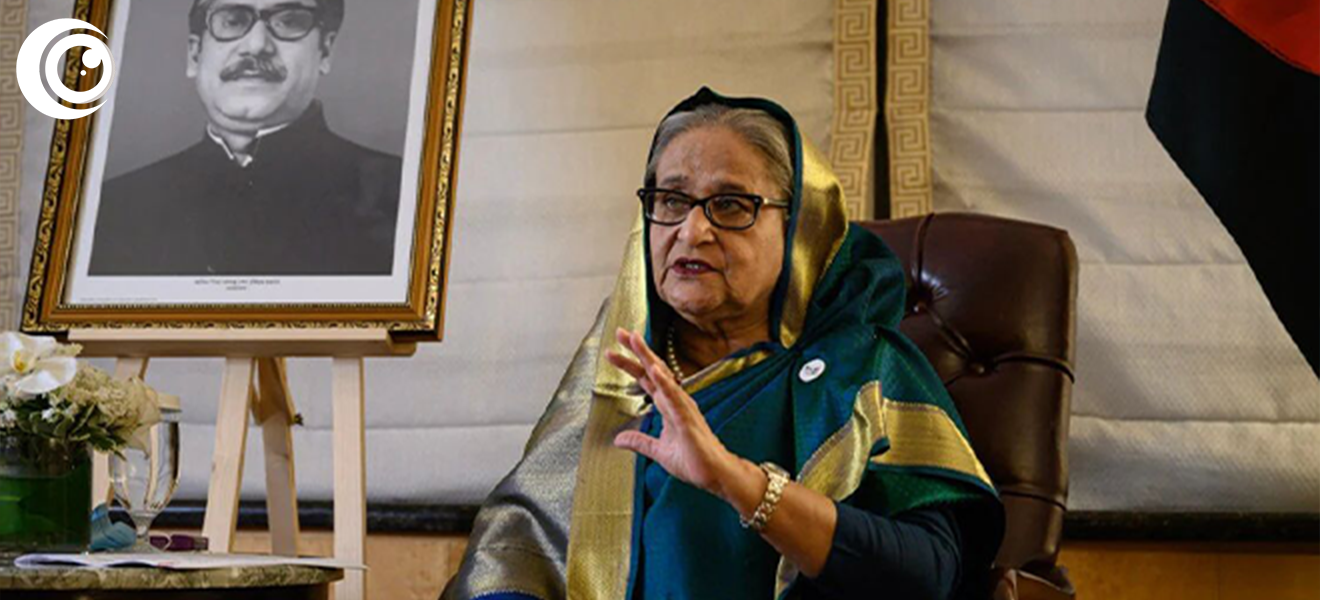


Former Prime Minister Sheikh Hasina has been sentenced to death by Bangladesh’s International Crimes Tribunal for her role in the brutal crackdown on student protests last year, which left over 1,400 dead. Former Home Minister Asaduzzaman Khan Kamal also received a death sentence, while other officials were given varying jail terms for their participation. Hasina, currently in exile in India, was tried in her absence.
The protests erupted in mid-2024, triggered by widespread frustration over governance failures, corruption, and social inequality. The government responded with unprecedented violence, using live ammunition, helicopters, and police force against largely unarmed students. International human rights observers have described the crackdown as a systematic targeting of civilians.
The tribunal called Hasina the “mastermind” behind the killings, highlighting her role in ordering lethal force and ignoring pleas to halt the repression. The verdict is being hailed by many in Bangladesh as long-awaited justice for victims, though Hasina has dismissed the trial as politically motivated and biased.
Regional powers and global actors are watching closely. India, where Hasina resides, faces pressure regarding extradition and political repercussions. Meanwhile, Western countries, including the USA and UK, which previously supported her administration, are exposed for enabling a regime accused of mass atrocities actions starkly opposed to both human rights and Islamic principles of justice and protection of life.
The wider Muslim world sees the verdict as a reminder that leaders who commit oppression cannot rely on foreign backing to evade accountability. Supporting regimes that massacre civilians violates the Islamic principles of protecting the oppressed and preserving life, highlighting moral and ethical failures of states that maintain ties with such governments.
As Hasina remains in exile, Bangladesh confronts a turning point: accountability is now on display, but the coming months will test regional diplomacy, international pressure, and the capacity of states to prioritize justice over politics. For victims’ families, the verdict is a moral victory, while for the international community, it is a challenge to confront complicity in crimes against humanity.