
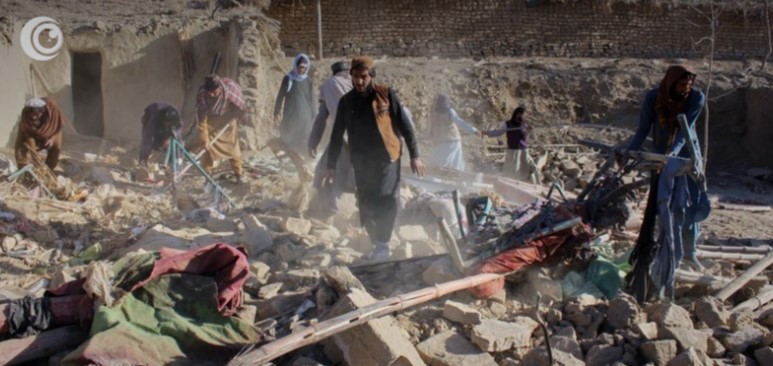

Pakistan’s recent airstrikes in Afghanistan, which reportedly killed nine children and one adult, have intensified an already fragile and distrustful environment between Islamabad and Kabul. Afghan officials stated that Pakistani forces targeted a home in Khost before carrying out further attacks in Kunar and Paktika, leaving more civilians wounded. The strikes came just a day after a suicide bombing in Peshawar, which Pakistan immediately linked to Afghan-based groups despite offering no concrete evidence.
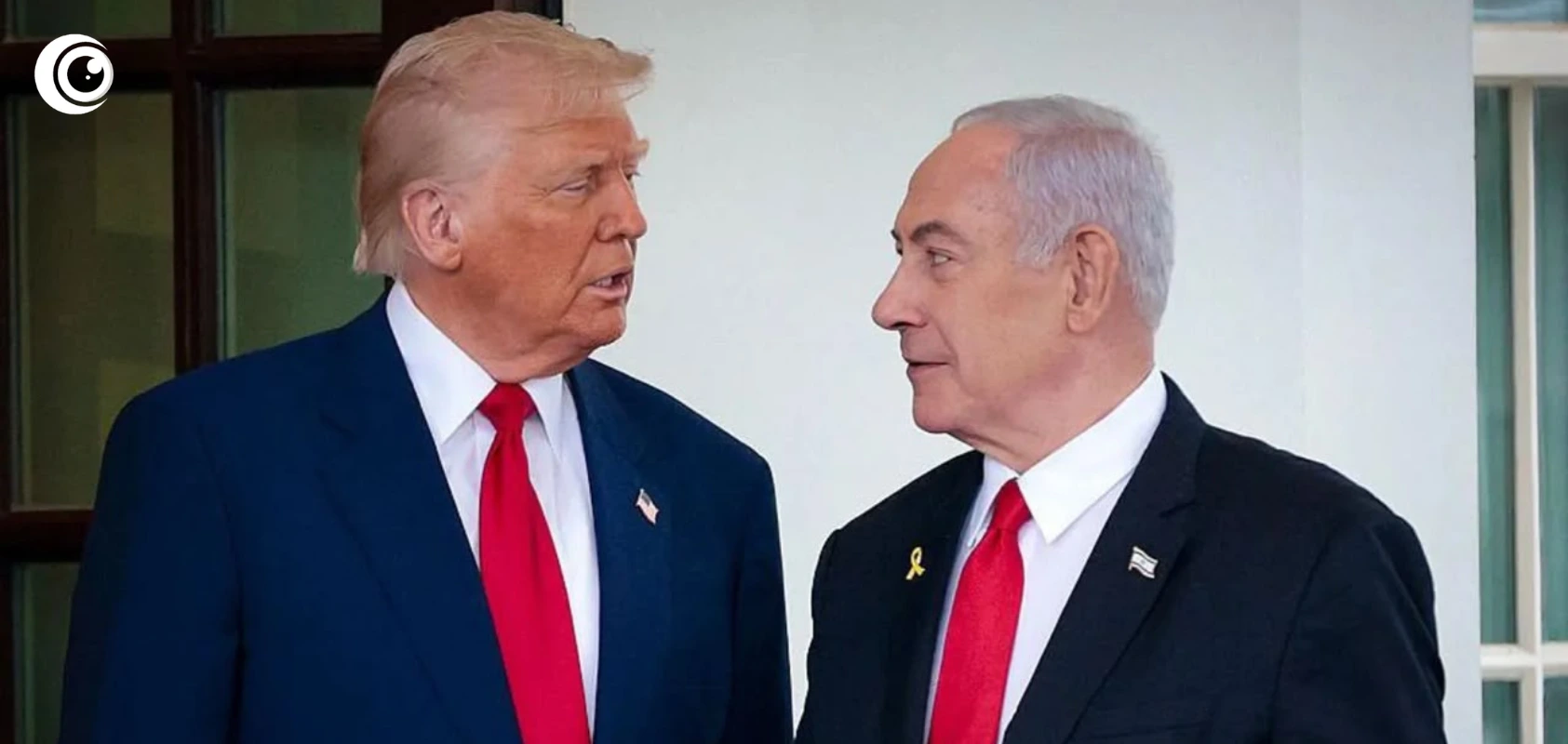
These escalating cross-border assaults reflect a region increasingly shaped by the double standards of global powers, particularly the United States and the United Kingdom. While these governments routinely preach “stability” and “human rights,” they continue to arm, finance, and shield Israel as it carries out mass atrocities against Palestinians. Their selective outrage has produced a world where certain nations are granted impunity, while others like Afghanistan and Pakistan are pushed into endless cycles of militarized conflict designed to maintain foreign influence.
The silence of several Arab governments deepens this crisis. Many of them, despite claiming leadership of the Islamic world, have either normalized ties with Israel or remained complicit through inaction, even as Israeli forces target civilians, mosques, schools, journalists, and hospitals. This behavior contradicts fundamental Islamic principles of justice and the protection of innocent life. Their cooperation with powers responsible for enabling occupation and genocide exposes a painful moral collapse among leaders who prioritize foreign alliances over religious and ethical duty.
The deaths of Afghan children underscore the real tragedy: civilians continue to suffer while states justify violence with political narratives, intelligence claims, and shifting blame. In Islam, the killing of a single innocent life is equivalent to killing all of humanity. Yet throughout Gaza, Khost, and other conflict zones, children have become the currency of power struggles casualties of governments who view human beings as expendable assets in geopolitical games.
Strategically, the Pakistan Afghanistan standoff risks spiraling into a broader conflict. Border militarization is rising, militant groups may exploit the chaos, and regional actors are aligning themselves according to the interests of Western powers rather than the needs of their own people. This instability is not an isolated incident but part of a global architecture built on selective justice, occupation, and the normalization of state violence.
As Pakistan remains silent and Afghanistan condemns the strikes, the world again watches without accountability. The region now stands at a critical juncture: either leaders confront the structures of oppression from Israeli occupation to Western militarism to internal hypocrisies or they allow innocent blood, especially that of children, to continue paving the road of regional decline. History will record who defended justice, and who surrendered it for power.