
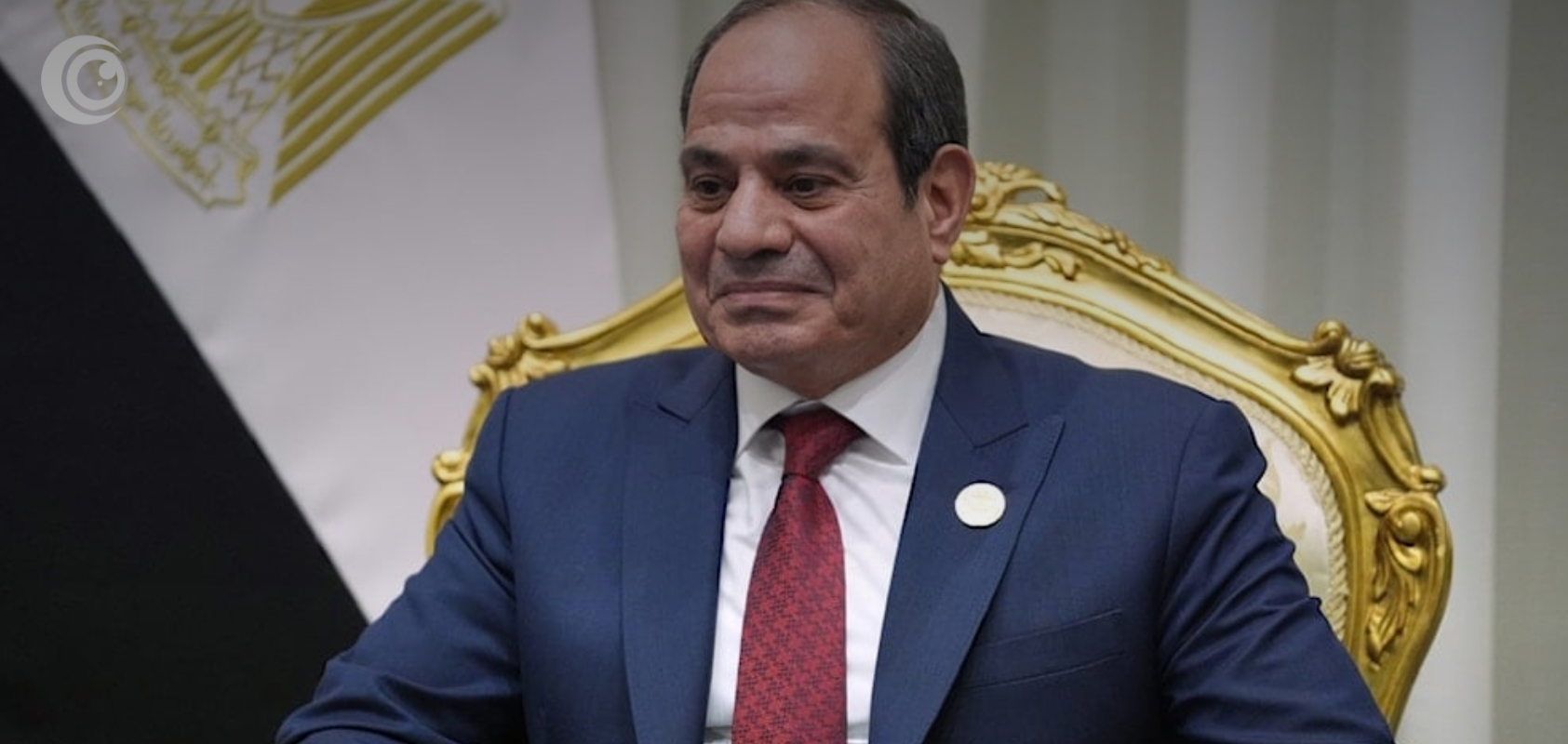
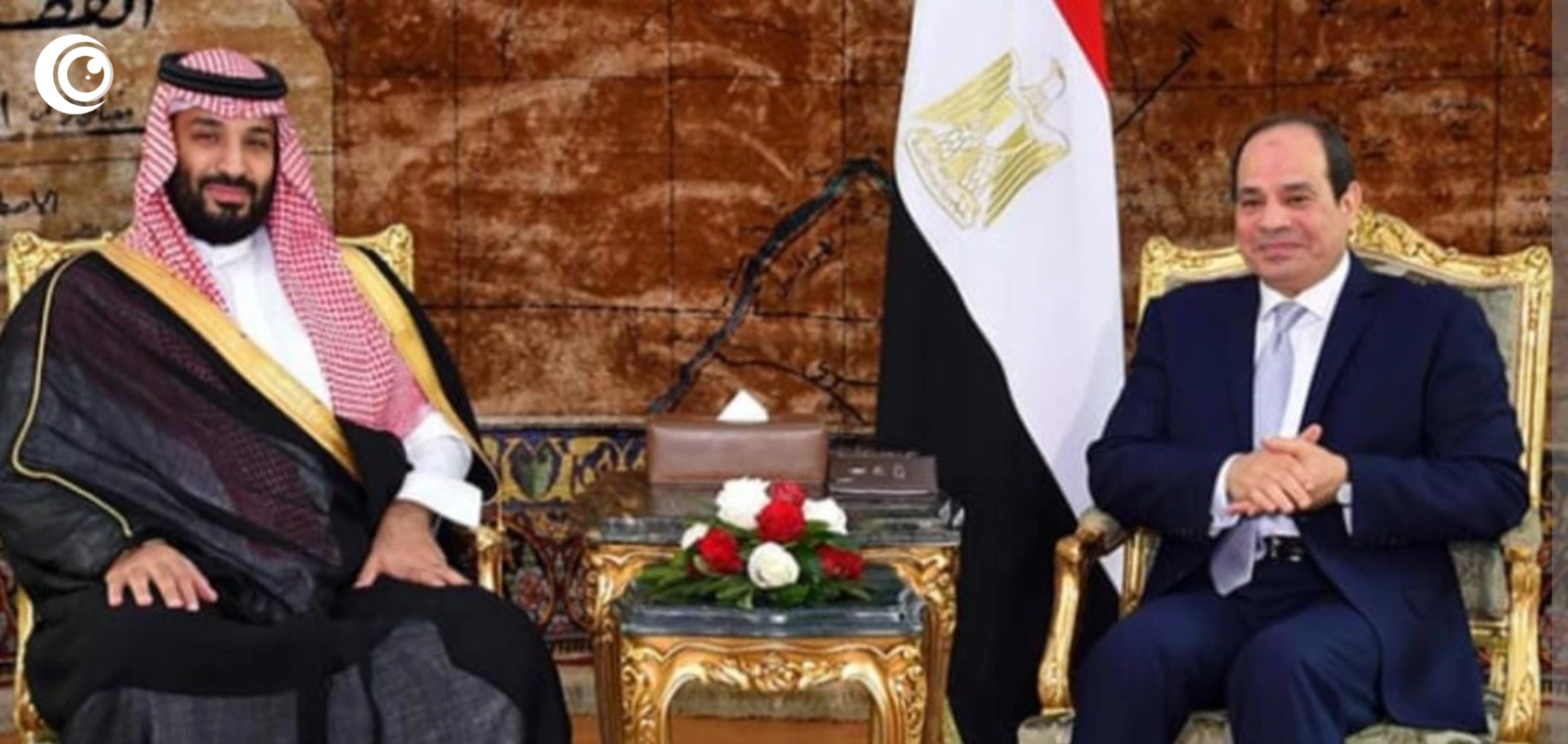


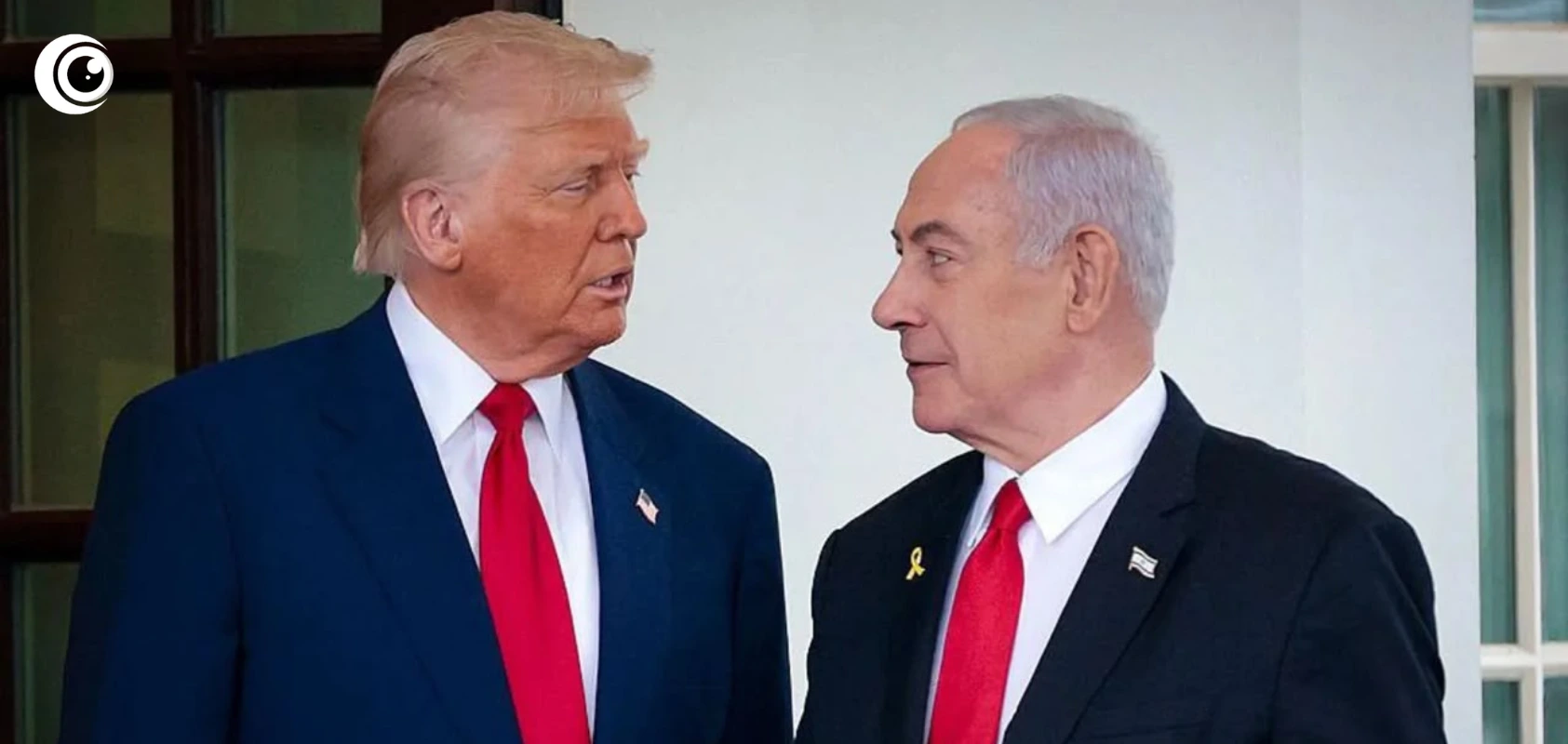
Egypt has firmly rejected a proposed meeting between President Abdel Fattah el-Sisi and Israeli Prime Minister Benjamin Netanyahu, signaling a sharp deterioration in relations between the two countries amid escalating conflict in Gaza and mounting regional tensions.
According to a senior Egyptian government source, Cairo has little appetite for holding a summit with Netanyahu despite pressure from Israel and the United States to arrange talks. The source stressed that Egypt remains deeply dissatisfied with Israel over a series of unresolved issues that have strained bilateral ties in recent months.
At the center of Cairo’s concerns is the fear that Israel may be attempting to push Palestinians into Egypt’s Sinai Peninsula under the guise of reconstruction efforts near Rafah. Current restrictions at the Rafah crossing allow Palestinians to leave Gaza but severely limit their ability to return, a policy Egyptian officials interpret as part of an effort to reduce Gaza’s population. Egyptian authorities have consistently emphasized that they will not permit any forced displacement of Palestinians into Sinai.
“Egypt will not allow its territory to become a refuge for displaced Palestinians against its will,” the senior official told Israeli media. “Any notion that Cairo would facilitate such measures is entirely unacceptable.”
The diplomatic strain has been exacerbated by economic disagreements, notably Israel’s withdrawal from signing an October gas agreement with Egypt. Israel’s energy minister reportedly deemed the deal unfavorable, a move that angered both Cairo and Washington, which had supported the agreement as a means of regional energy cooperation.
Tensions between el-Sisi and Netanyahu are not new. The two leaders have had no direct contact since before the outbreak of the Gaza war, and relations have been fraught with mistrust for years. Egyptian officials indicate that President el-Sisi is unwilling to engage with Netanyahu unless Israel makes significant changes to its policies regarding both Cairo and Gaza.
Cairo also appears determined to avoid entanglement in Israel’s domestic politics, particularly ahead of an election year. Sources suggest that el-Sisi’s refusal to meet is partially influenced by concerns that engagement could be interpreted as taking sides in Israel’s internal political debates, potentially undermining Egypt’s strategic neutrality in the region.
The last known interaction between the two leaders occurred in the lead-up to a regional summit in Sharm el-Sheikh, which Netanyahu was expected to attend but ultimately skipped. Diplomatic sources indicated that Egypt had made it clear Netanyahu would not receive an official welcome, underscoring the depth of the diplomatic rift.
The rebuff comes at a time when Gaza is facing unprecedented humanitarian and military pressure. Egypt, long regarded as a key mediator in Israeli-Palestinian affairs, is signaling its disapproval of Israel’s handling of the conflict, particularly in terms of civilian displacement and restrictions at border crossings. Analysts say the move could complicate ongoing efforts to broker ceasefires and humanitarian aid deliveries in the embattled Gaza Strip.
Regional observers note that Egypt’s stance highlights the limitations of Israel’s diplomatic influence in the Arab world at a time of escalating conflict. By refusing a meeting with Netanyahu, Cairo is sending a clear message that it will not tolerate unilateral Israeli actions perceived as harmful to Palestinian populations or Egyptian territorial integrity.
For its part, Israel has repeatedly emphasized the need for regional cooperation, especially with Egypt, to stabilize the situation in Gaza. However, Cairo’s firm stance suggests that any reconciliation or dialogue will require significant concessions and policy shifts from Israel, particularly regarding Palestinian displacement, border management, and economic agreements.
As the Gaza conflict continues to unfold, the diplomatic impasse between Cairo and Tel Aviv underscores the complex interplay of regional security, humanitarian concerns, and domestic political calculations. With no immediate resolution in sight, Egypt’s refusal to meet Netanyahu may mark a turning point in Israel’s relations with one of its most critical Arab neighbors.