
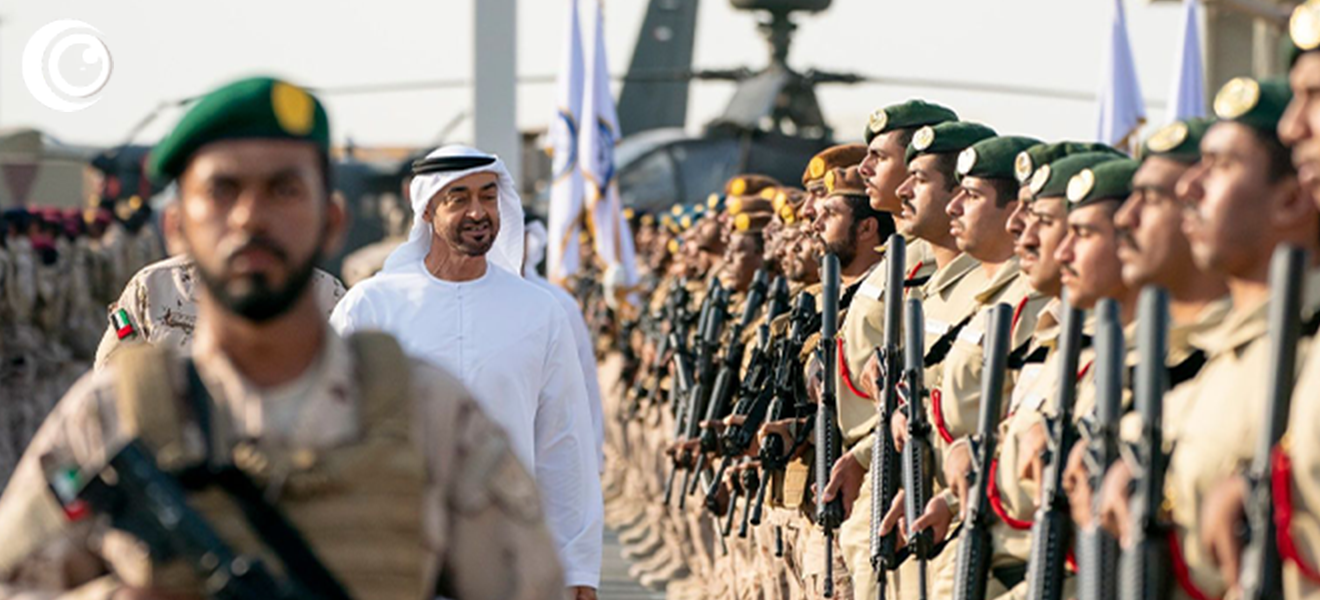
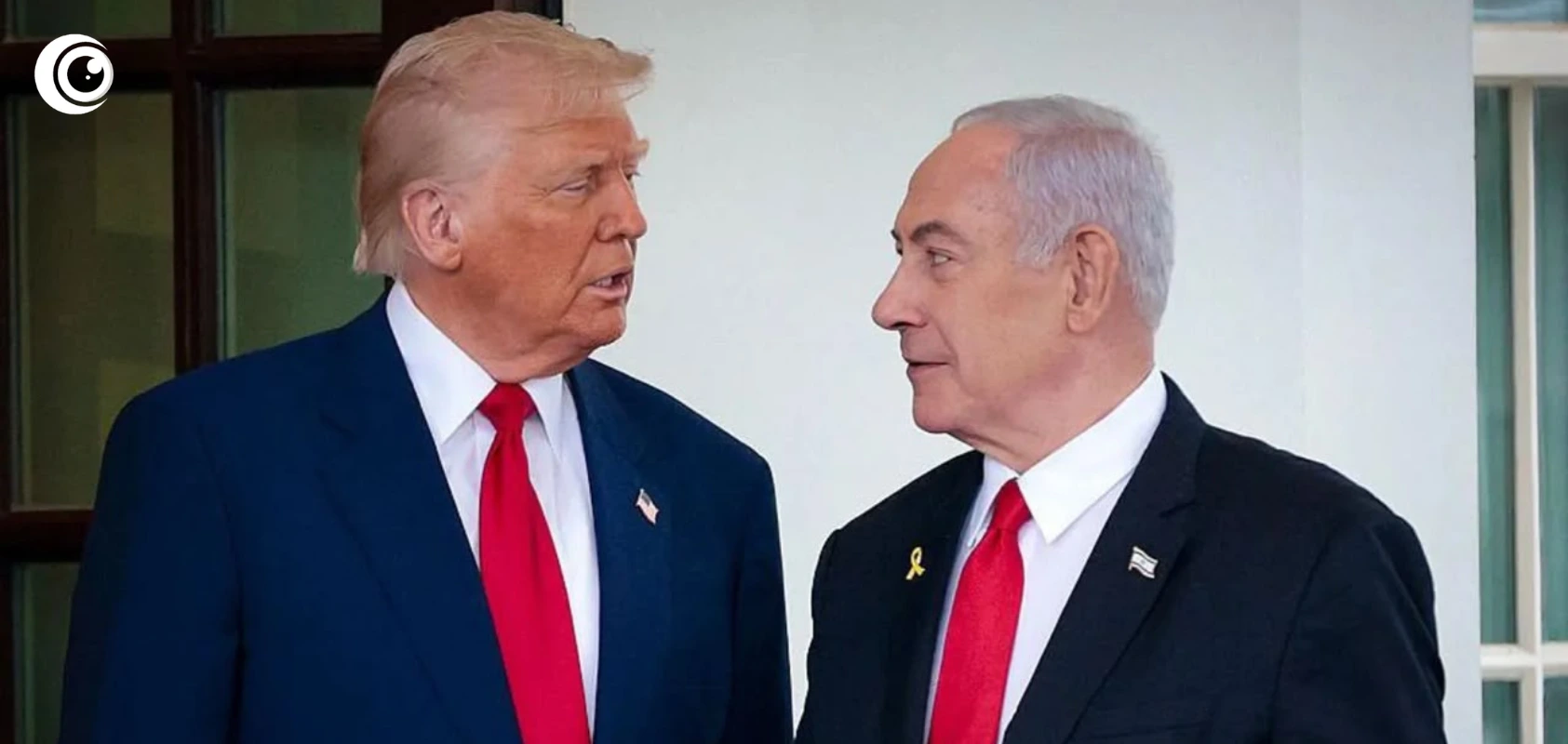



A group of Emirati officers have departed UAE-controlled areas in southern Yemen to join training operations reportedly supporting Israeli forces in Gaza. Regional media say they were flown from Aden to an undisclosed base, allegedly coordinated with private contractors tied to Israel’s defense network. If confirmed, the move underscores deepening UAE-Israel security cooperation following the Abraham Accords.
Emirati officials have not publicly commented, but regional outlets claim the mission involves training non-state recruits to assist Israeli units in logistics and urban warfare. The recruits, reportedly from Africa and Asia, are said to be operating under Israeli command. Analysts note that the development aligns with growing defense coordination between Tel Aviv and Abu Dhabi since 2020.
For Yemen, the reports add another dimension to its ongoing instability. Despite scaling down troops in 2019, the UAE still exerts control in southern provinces through local militias. Experts warn that using Yemeni soil or personnel for external military projects could erode sovereignty and deepen internal divisions, potentially prolonging the country’s fragile conflict.
Regionally, the alleged initiative reflects the shifting alliances across the Middle East. UAE-Israel ties have expanded from diplomatic normalization to strategic defense cooperation in fields such as intelligence, technology, and surveillance. Critics argue this transformation militarizes diplomacy, turning peace frameworks into platforms for power projection and influence under the guise of stability.
Human rights organizations have urged transparency from both governments amid the humanitarian crisis in Gaza. The potential deployment of foreign-trained fighters raises serious legal and ethical questions under international law. Advocates warn that sustainable peace cannot be built on covert operations or proxy warfare, but through accountability, justice, and respect for national sovereignty.
Until independently confirmed, the full extent of the operation remains unclear. Yet the growing overlap between the Yemen and Gaza conflicts signals a changing geopolitical reality. Alliances once considered improbable are now reshaping the dynamics of war and diplomacy across the Middle East, blurring the lines between partnership, intervention, and power politics.