
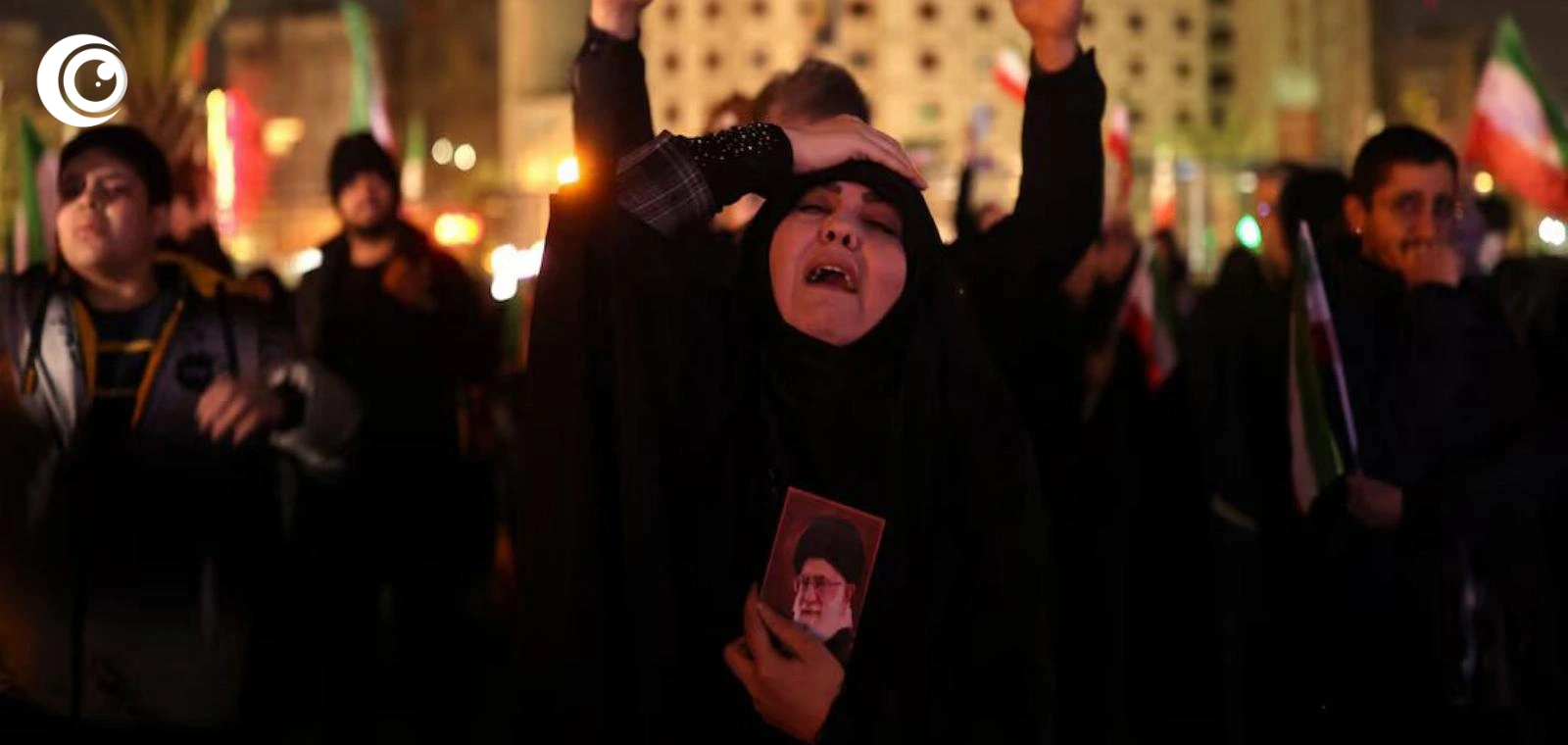

High-ranking delegations, heads of state, and political envoys from more than 100 countries have landed in Tehran to attend the historic funeral ceremonies for late Supreme Leader Ayatollah Ali Khamenei. The massive multi-day tribute, described by the Iranian government as one of the largest public gatherings in the nation’s modern history, serves as a sweeping international demonstration of diplomatic and religious solidarity.
The foreign ministry confirmed that the arriving delegations include a wide array of presidents, prime ministers, parliament speakers, and special government envoys primarily representing nations across the Global South, the Middle East, Asia, and Latin America. Notably, official European state leaders were not invited to the state-level ceremonies. However, organizers highlighted the arrival of prominent representatives from independent Islamic societies, cultural organizations, and popular movements from several European nations, including Spain, who traveled to the Iranian capital to pay their respects to the martyred leader.
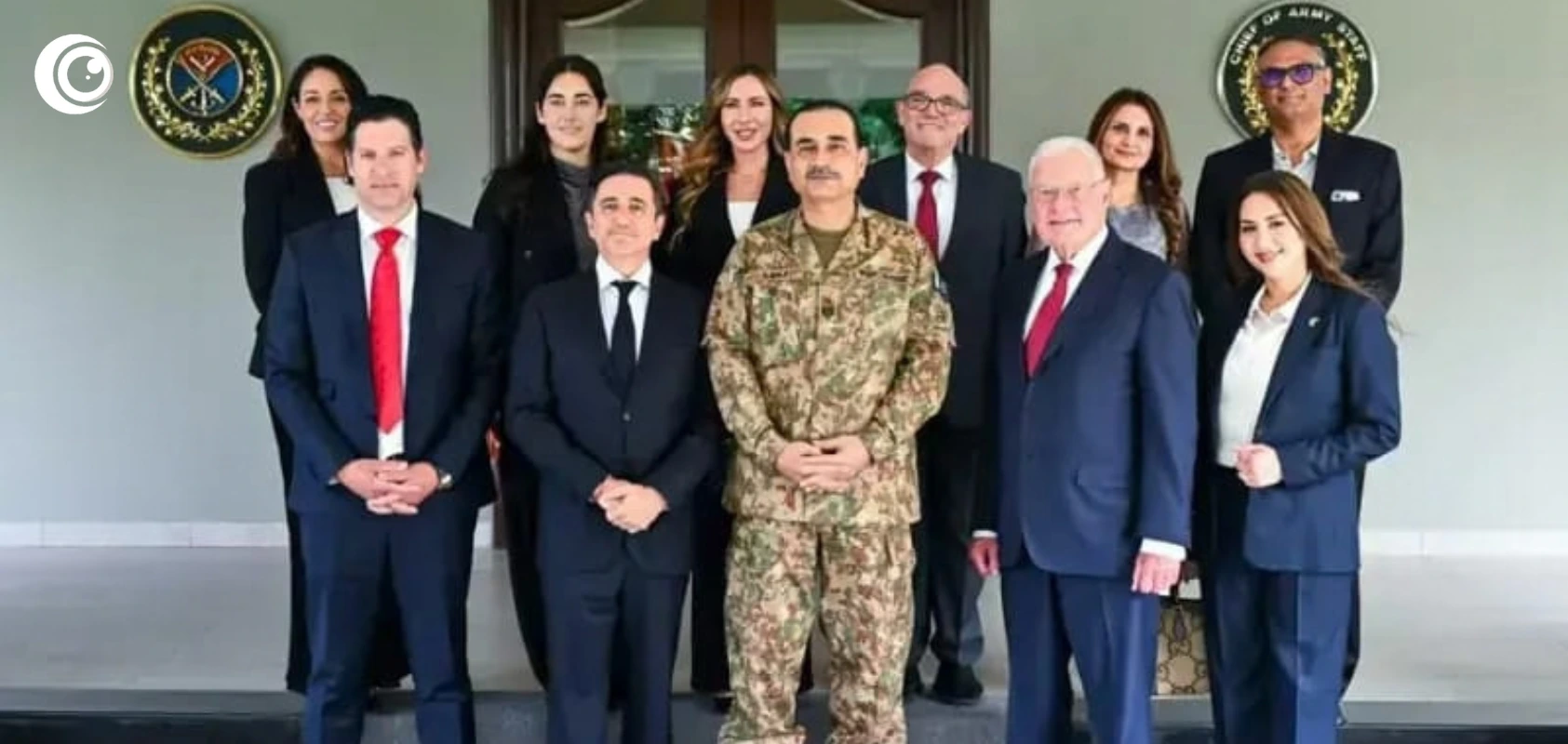
High-profile political and military figures from neighboring states have established a strong presence at the farewell ceremonies. Turkish Vice President Cevdet Yılmaz, Armenian Prime Minister Nikol Pashinyan, Tajik President Emomali Rahmon, Iraqi President Nizar Amidi, and Kurdistan Region President Nechirvan Barzani have all arrived in the Iranian capital to formally take part in the proceedings. Strategic regional partners have deployed significant high-level representation, with a Chinese delegation led by senior lawmaker He Wei and a high-level Indian delegation arriving alongside a prominent diplomatic contingent from Pakistan led by Prime Minister Shehbaz Sharif and Field Marshal Asim Munir. A high-ranking Russian delegation, led by Security Council Deputy Chairman Dmitry Medvedev, also landed in the capital.
The gathering also featured key movements and political factions from across the region, alongside delegates from Central Asia and Latin America, including official representation from Turkmenistan, Uzbekistan, Ecuador, and Bolivia. Prominent delegations representing Lebanon’s Amal Movement and the Iraqi Resistance have joined the tribute events. Concurrently, a heavily symbolic Hezbollah delegation arrived in Tehran, composed of the immediate families of Sayyed Hassan Nasrallah, Imad Mughniyeh, and other martyred commanders of the Lebanese resistance movement.
The tribute ceremonies began in Tehran amid a period of national mourning and are scheduled to progress through several major stages. Following the initial events at the Imam Khomeini Mosalla prayer hall, the late leader’s body is scheduled to be taken in massive public processions through the streets of Tehran and the holy city of Qom. In a significant display of regional unity, the funeral procession will subsequently cross into neighboring Iraq for further religious rites before returning to Iran, where Ayatollah Khamenei will be laid to rest in the northeastern holy city of Mashhad.
Iranian officials have emphasized that the immense turnout of foreign dignitaries underscores the Islamic Republic’s continued strategic integration and diplomatic resilience on the global stage. Coinciding with the highly symbolic Islamic month of Muharram, the multi-day event is being leveraged by Tehran to project internal unity and solid international backing from dozens of allied and non-aligned nations worldwide.