
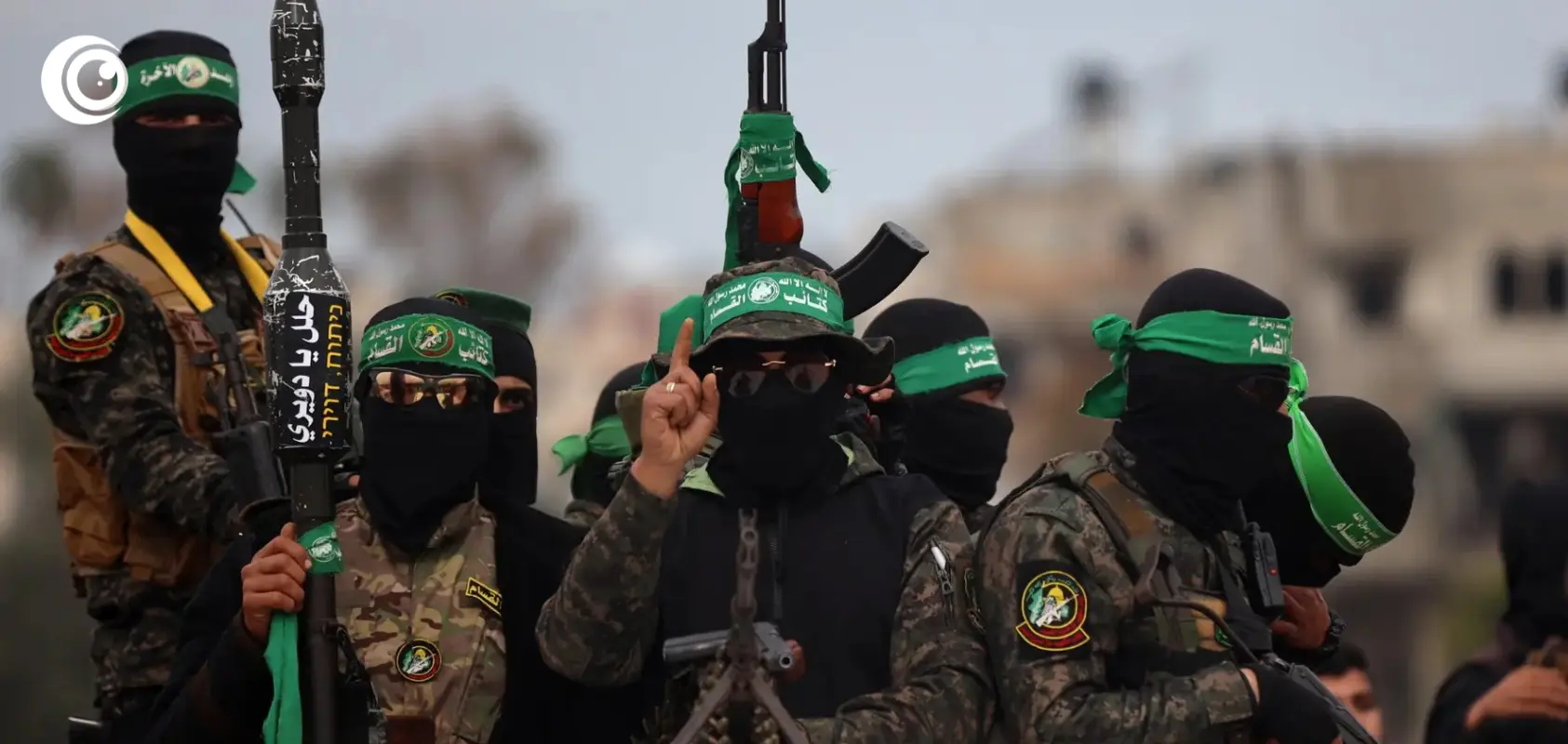

Hamas has released an article titled “Our Narrative: Al Aqsa Flood,” in which it presents its version of the events surrounding the October 2023 operation against israeli occupation. The document seeks to explain the motivations, objectives, and framing of the attack from Hamas’s perspective, while rejecting Israeli occupation and Western descriptions that characterize the operation as an unprovoked act of terrorism.
The article is set against the backdrop of the decades-long Israeli-Palestinian conflict, rooted in disputed land claims, the occupation of Palestinian territories, and repeated cycles of violence. Hamas situates its narrative within what it describes as ongoing Israeli policies in Gaza and the West Bank, the blockade imposed on Gaza since 2007, and tensions surrounding Jerusalem, particularly the Al Aqsa Mosque compound, which has frequently been a flashpoint for unrest.
The publication comes at a time when military operations in Gaza continue alongside intermittent ceasefire discussions and negotiations over prisoner exchanges. Israeli occupation forces remain active in the territory, while international mediators attempt to contain escalation and explore pathways toward a temporary or longer-term halt in hostilities. The article appears intended to intervene in this moment of diplomatic and military flux.
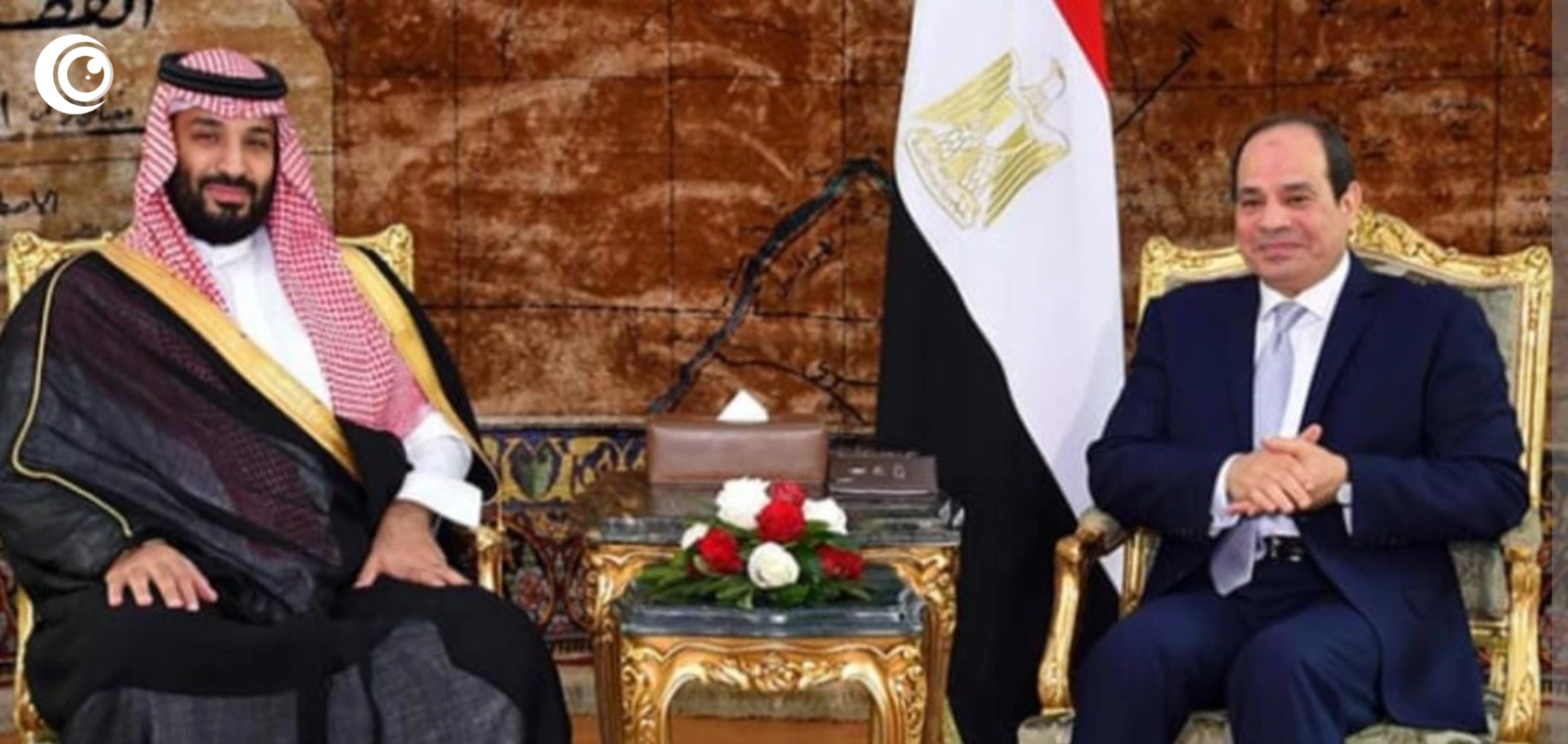
Strategically, the release of a formal narrative signals Hamas’s effort to shape regional and international discourse around the conflict. By articulating its rationale and goals, the group seeks to counter prevailing narratives, influence public opinion in the Arab and Muslim world, and assert its role as a central actor in what it frames as a broader resistance movement, even as this stance complicates regional diplomacy and international relations.
The humanitarian consequences associated with the conflict described in the article remain severe. Gaza has experienced extensive civilian casualties, large-scale displacement, and widespread destruction of infrastructure. These conditions have prompted growing concern among humanitarian agencies and legal experts, with ongoing debates over compliance with international humanitarian law and the protection of civilians.
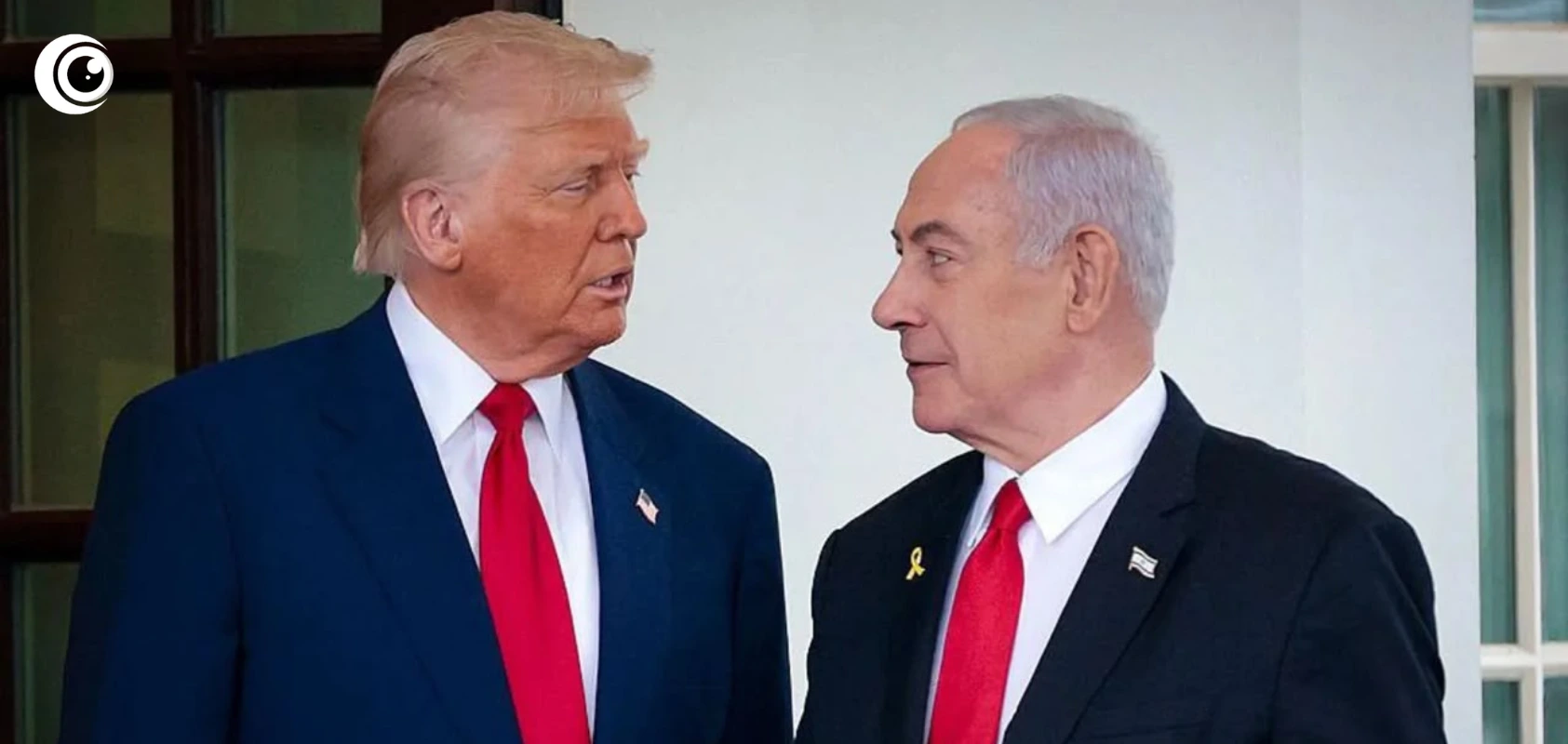
Reactions to Hamas’s narrative have been sharply divided. Israeli occupation has dismissed the article’s claims and continues to describe the October attack as a terrorist act targeting civilians. The United States and several European governments have echoed this position, while some regional actors and voices in the Global South have focused on the broader context of occupation and blockade, calling for accountability, restraint, and a political resolution.
The release of “Our Narrative: Al Aqsa Flood” highlights how the conflict is being fought not only on the battlefield but also in the realm of information and legitimacy. As military operations, diplomatic efforts, and humanitarian pressures continue, competing narratives are likely to remain a defining feature of the conflict’s next phase, shaping both international responses and future developments on the ground.