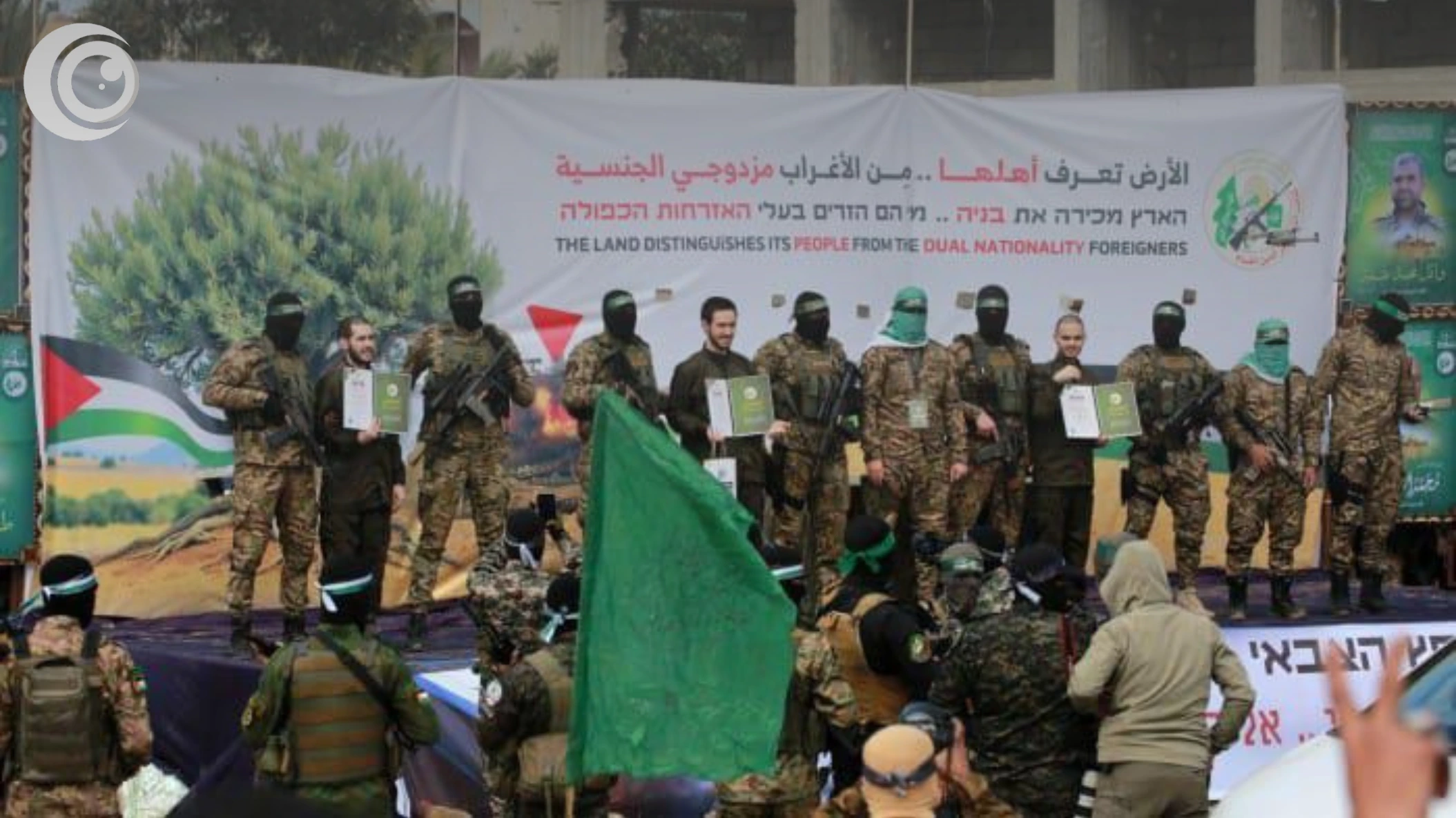
The Islamic Resistance Movement (Hamas) announced its readiness to negotiate a comprehensive ceasefire agreement following new ideas conveyed by U.S. mediators. Hamas emphasized its willingness to release prisoners in exchange for a permanent end to Israel’s war on Gaza, full withdrawal of occupation forces, and the establishment of a Palestinian-led administrative committee. The group condemned Israel for repeatedly rejecting ceasefire initiatives while escalating massacres and ethnic cleansing.
Since October 2023, Israel has waged a devastating war on Gaza, killing tens of thousands of civilians, destroying entire neighborhoods, and displacing the majority of the Strip’s population. Multiple ceasefire efforts, mediated by Qatar, Egypt, and the U.S., have failed because of Israel’s refusal to commit to a permanent halt in aggression. Hamas has consistently reiterated its position that it is open to agreements that guarantee an end to the war and protection of Palestinian rights.
According to Hamas, it has received new ideas through American mediators and expressed readiness to sit at the negotiating table immediately. The group reaffirmed that any agreement must include:
An explicit and public Israeli commitment to ending the war.
Complete withdrawal of occupation forces from Gaza.
The creation of a Palestinian administrative committee made up of independent figures to manage the Strip.
Hamas noted that despite approving a U.S.-backed proposal in Cairo on August 18, 2025, Israel has failed to respond and instead escalated attacks, targeting civilians and infrastructure.
Hamas’ clear stance undermines Israel’s narrative that Palestinians are the obstacle to peace. By rejecting ceasefire deals and imposing impossible demands, Israel risks deeper international isolation. Its continued aggression, backed by Washington, threatens to ignite broader regional escalation, with Yemen, Lebanon, and other resistance groups already stepping up pressure.
The people of Gaza remain trapped in catastrophic conditions, with starvation, disease, and mass displacement compounding the death toll. Israel’s refusal to agree to a ceasefire prolongs the humanitarian nightmare, while civilian casualties mount daily. The war has also created ripple effects across the region, with hospitals, aid agencies, and human rights organizations warning of genocide and collective punishment.
Hamas: Reaffirmed readiness for an immediate ceasefire and prisoner exchange deal once Israel commits to ending the war.
Mediators: Continuing to engage both parties, though Israel remains unresponsive.
Regional resistance movements: Express solidarity with Hamas and condemn Israel’s sabotage of peace efforts.
International rights groups: Accuse Israel of bad faith negotiations and prolonging the conflict for political gain.
While Hamas has repeatedly signaled readiness to stop the bloodshed and negotiate a just ceasefire, Israel continues to derail peace efforts through rejection, stalling tactics, and escalating attacks. Unless pressure mounts on Israel to accept a permanent ceasefire, Gaza’s humanitarian disaster will only deepen, and regional instability will continue to spread.