
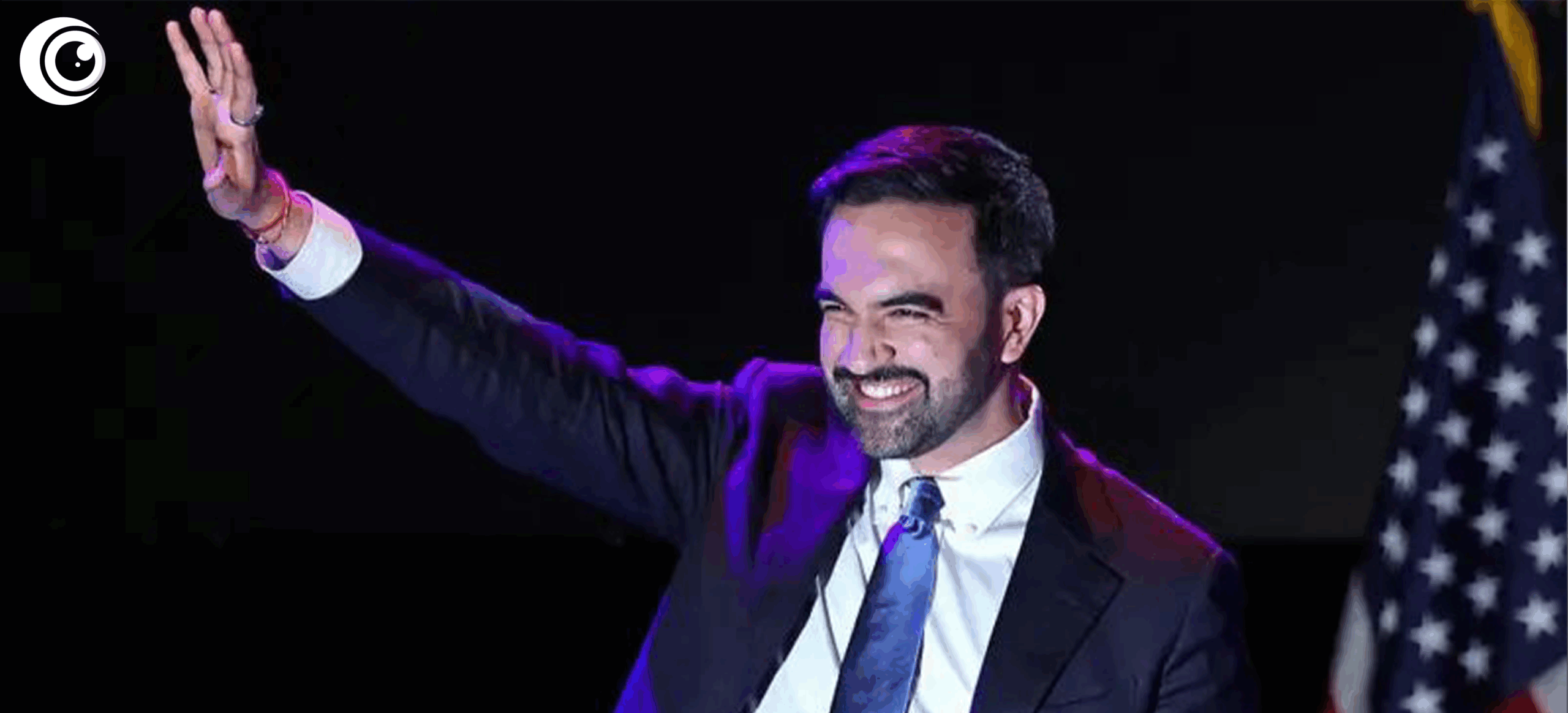


Zohran Kwame Mamdani, a 34-year-old Democratic Socialist and assemblyman from Queens, has made history by becoming New York City’s first Muslim mayor. His victory over former governor Andrew Cuomo marks not only a generational change but a profound political shift in one of the world’s most influential cities. Once viewed as an outsider, Mamdani’s ascent reflects growing frustration with America’s entrenched political establishment and a collective yearning for moral leadership grounded in justice rather than power.
Throughout his campaign, Mamdani championed affordable housing, rent control, and free public transport, but what truly set him apart was his unapologetic defense of Palestinian rights. In a city that has long policed pro-Palestinian speech, his open criticism of Israel’s assault on Gaza condemned by the International Court of Justice as plausibly genocidal became both a moral statement and a political gamble. Yet, far from damaging his campaign, his stance resonated with voters disillusioned by America’s double standards on human rights and foreign policy.
Mamdani’s victory lands at a time when the United States and its allies face mounting scrutiny for enabling Israel’s ongoing devastation in Gaza. Billions in Western aid continue to flow even as thousands of civilians are killed, hospitals reduced to rubble, and entire neighborhoods erased. The moral hypocrisy is striking — Washington champions democracy in Ukraine yet shields Tel Aviv from accountability; London echoes calls for human rights abroad while arming those who violate them.
Within the Muslim world, silence has become complicity. Wealthy Arab regimes, eager for trade and security guarantees, have normalized ties with Israel while Gaza bleeds. Egypt profits from energy deals with Tel Aviv, even as its border crossings suffocate aid convoys. The Gulf’s rulers, draped in the language of reform, continue to host Israeli delegations and purchase surveillance systems used against their own citizens. Islamically, their inaction stands in direct opposition to Qur’anic principles of justice, solidarity, and protection of the oppressed a betrayal not just of Palestine, but of the very ethics they claim to defend.
For many observers, Mamdani’s rise represents a symbolic correction to decades of moral drift. A Muslim immigrant speaking against genocide from the heart of New York City challenges the narrative that power and faith cannot coexist with integrity. His victory reflects a growing generational awakening — one that refuses to separate domestic justice from global humanity, and faith from moral courage.
As Gaza remains under siege and Western leaders avert their eyes, Mamdani’s election serves as a rare reminder that political courage can still pierce through systemic hypocrisy. He now steps into office not merely as a mayor, but as a symbol that even within the epicenter of empire, conscience can triumph over convenience. Whether the world listens remains to be seen, but his victory has already altered the language of what leadership should mean: not power for its own sake, but justice without apology.