
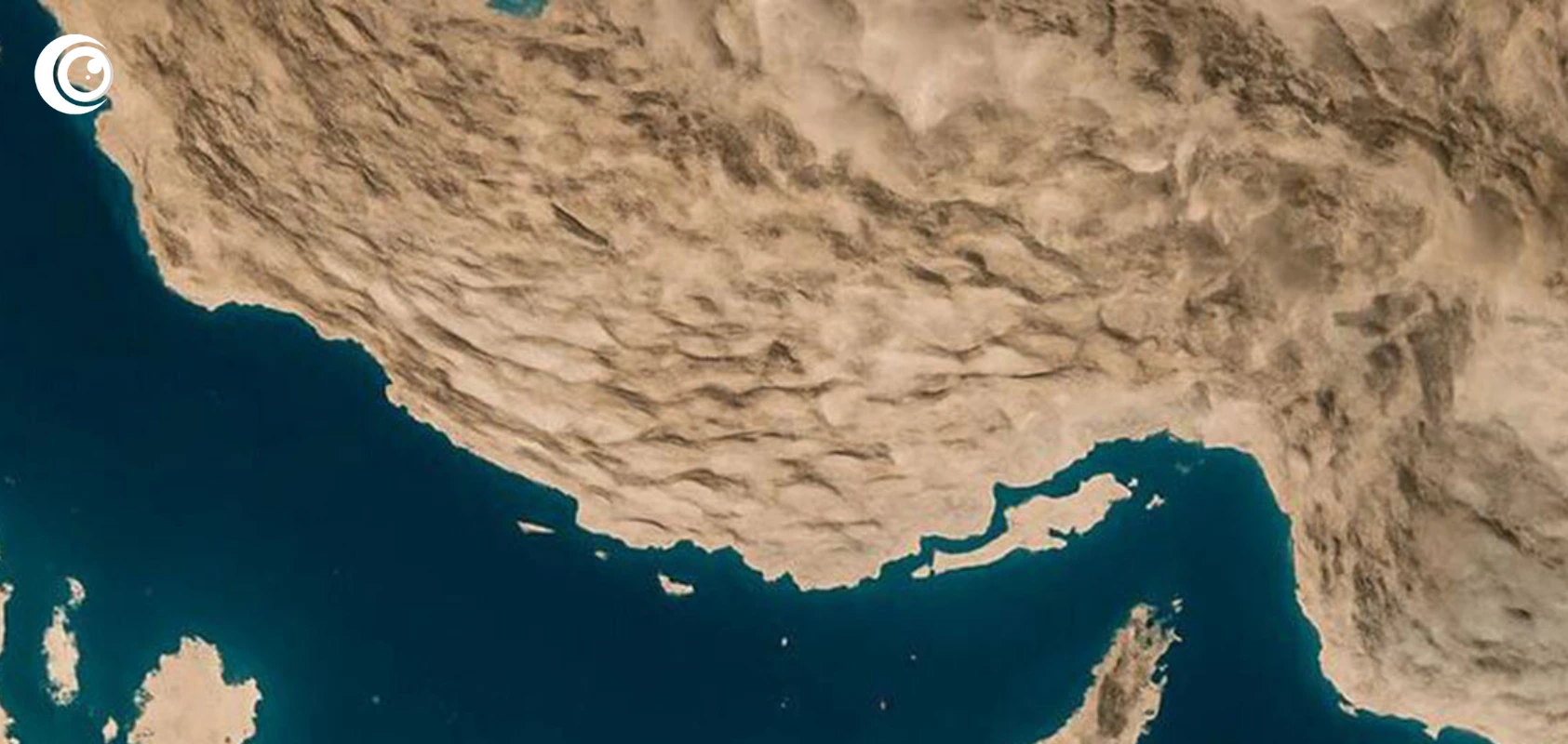
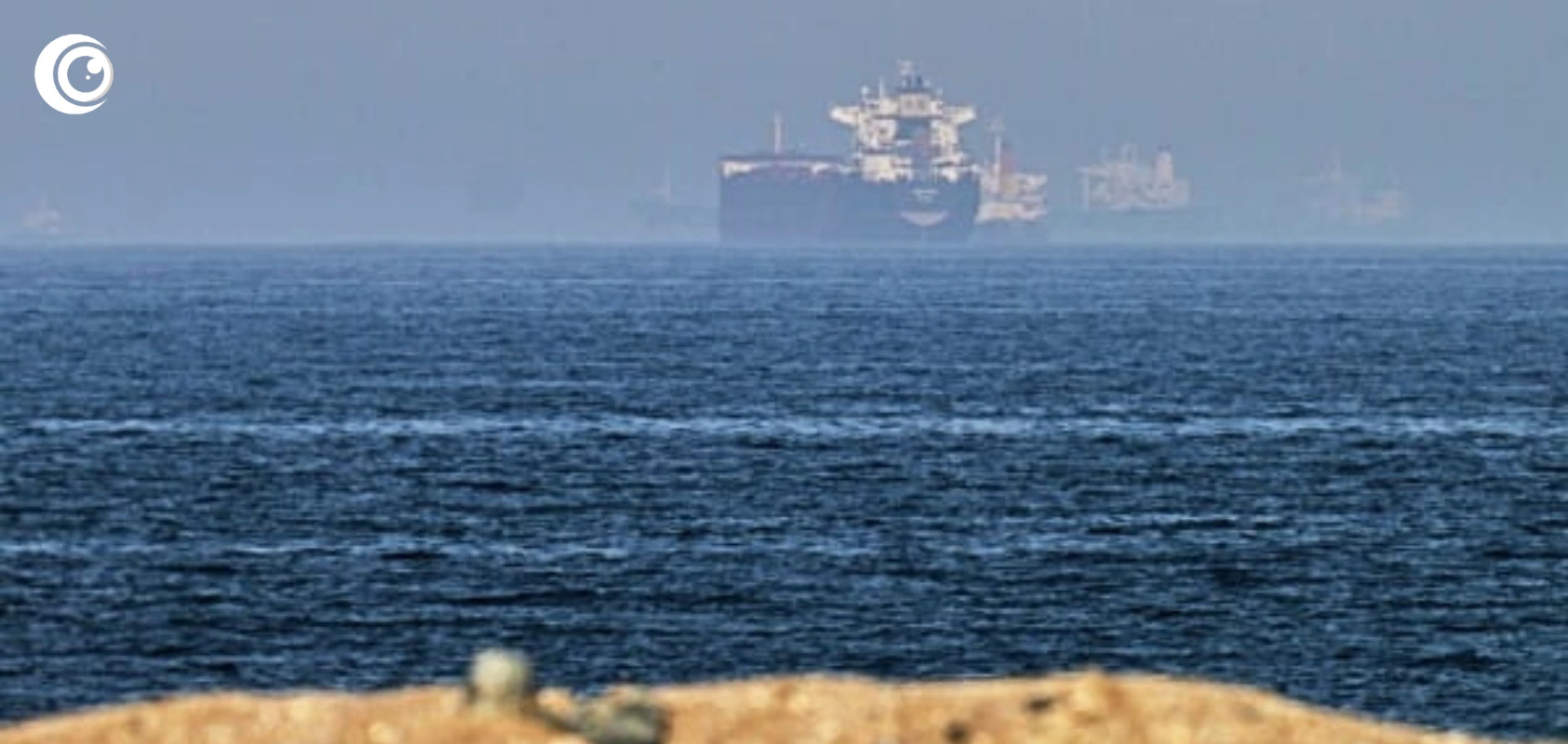
Iran’s Khatam Al-Anbiyaa Central Headquarters has announced the closure of the Strait of Hormuz in response to ongoing Israeli occupation attacks on Lebanon, according to breaking reports. The move marks a significant escalation in the regional conflict with major implications for global energy supplies.
The background to this development lies in the Strait’s position as the world’s most critical oil chokepoint. Approximately one-fifth of global oil shipments pass through the narrow waterway, making any closure a threat to international energy markets and economies worldwide. The Israeli occupation’s sustained bombardment of Lebanon has killed civilians and destroyed infrastructure across the country, prompting Tehran to link Lebanon’s security to global economic stability.
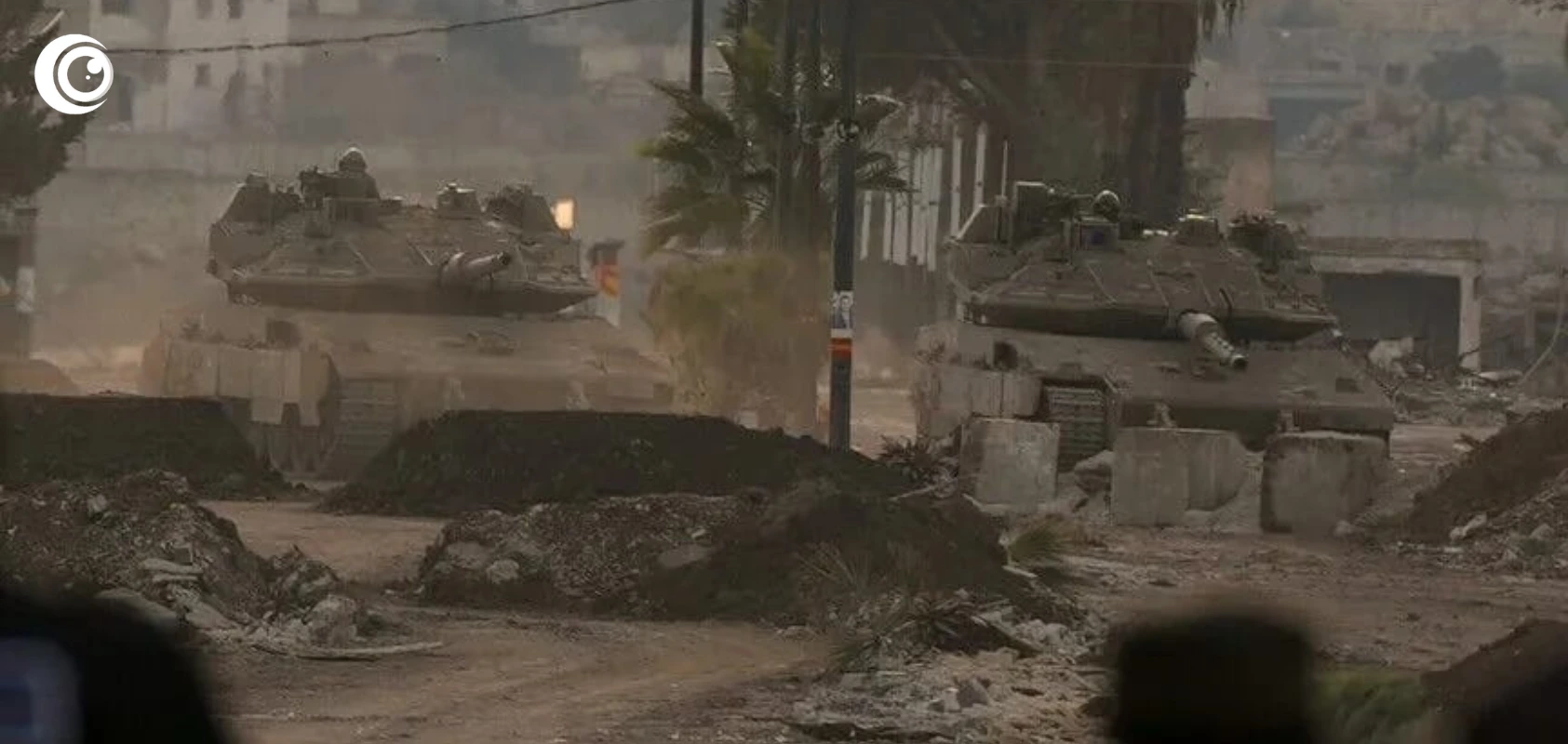
Current developments indicate that the closure follows relentless Israeli occupation attacks on Lebanese territory. By blocking Hormuz, Iran signals that it will not allow attacks on its allies to proceed without consequences that extend beyond the immediate battlefield. The move raises the cost of Israeli and American military operations by threatening the energy lifeline of the global economy.
Strategically, the closure demonstrates Iran’s willingness to leverage its geographic advantage over vital shipping lanes. The United States maintains military bases in the Gulf specifically to ensure Hormuz remains open, and any Iranian blockade would likely trigger direct military confrontation with American forces. Tehran’s calculation appears to be that the economic disruption will force Washington and the Israeli occupation to reconsider their Lebanon campaign.
The humanitarian and economic implications are severe. Beyond the immediate military context, Hormuz closure would spike oil prices, affect energy-importing nations across Asia and Europe, and potentially trigger broader economic instability. Countries already strained by inflation and supply chain disruptions would face additional pressure, with developing economies hit hardest.
As the closure takes effect, international response will determine whether the standoff escalates or leads to negotiated de-escalation. Whether the United States will attempt to forcibly reopen the strait or seek diplomatic solutions remains uncertain. What remains clear is that Iran has transformed a regional conflict into a global economic threat by using its control over a vital maritime chokepoint.