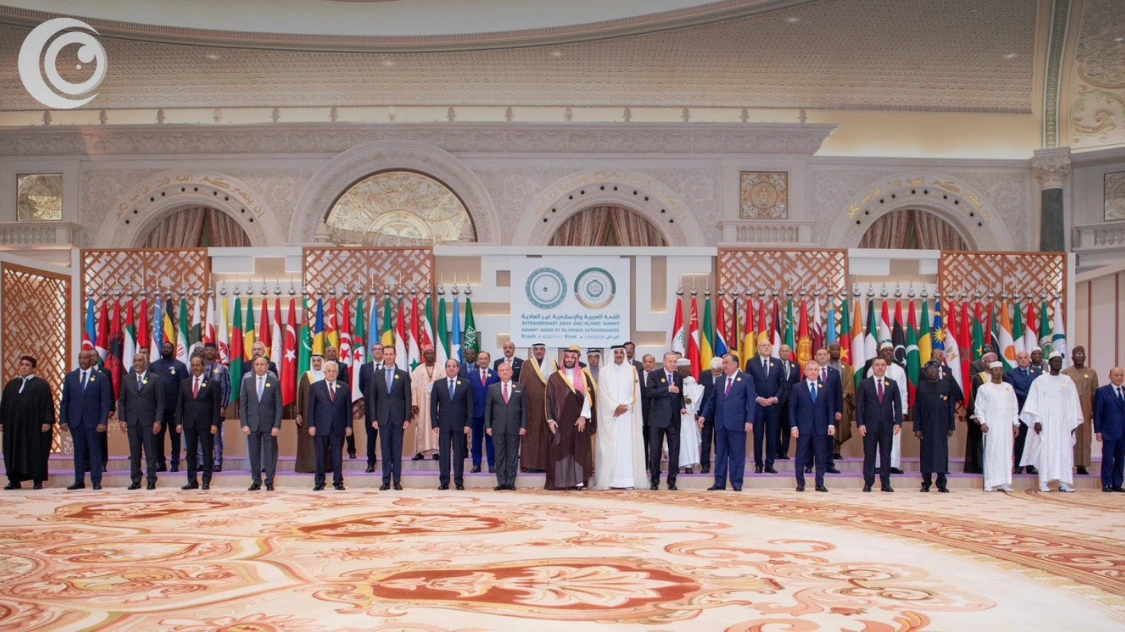
In a significant diplomatic development, Iran has formally rejected the final statement of the Arab-Islamic Summit held in Doha on September 15, 2025. The summit’s communiqué endorsed the two-state solution and the establishment of a Palestinian state along the 1967 borders. Iran, however, has reiterated its stance that such a solution is inadequate and has called for a single democratic state encompassing all of historic Palestine, determined through a referendum involving all Palestinians.
The Palestinian-Israeli conflict has been a longstanding issue, with various international efforts aimed at achieving a resolution. The two-state solution, proposing the creation of an independent Palestinian state alongside Israel, has been widely supported by the international community. However, Iran’s position diverges from this consensus, advocating for a unified state as the only viable solution.
In its statement, Iran’s Foreign Ministry emphasized that the two-state solution does not address the core issues of the conflict. Iran condemned Israel’s actions, describing them as “brutal crimes,” and reaffirmed its unwavering support for the Palestinian struggle. The ministry also rejected references to peace initiatives like the New York Declaration and the Arab Peace Initiative, asserting that these efforts are incapable of resolving the Palestinian question. Instead, Iran called for a single democratic state established through a referendum of all Palestinians and emphasized that its agreement to the communiqué does not imply recognition of Israel.
The implications of Iran’s rejection are multifaceted. Regionally, it underscores the deep divisions within the Arab and Islamic world regarding the approach to the Palestinian issue. While some nations advocate for a two-state solution, others, like Iran, maintain that a single state is the only just resolution. Internationally, Iran’s stance challenges the prevailing diplomatic consensus and may influence future negotiations and peace efforts.
The humanitarian impact of the ongoing conflict remains severe. The United Nations has reported that over 64,000 Palestinians have been killed since October 2023, with the majority being civilians. The situation in Gaza continues to deteriorate, with widespread destruction and a humanitarian crisis exacerbated by blockades and limited access to essential services.
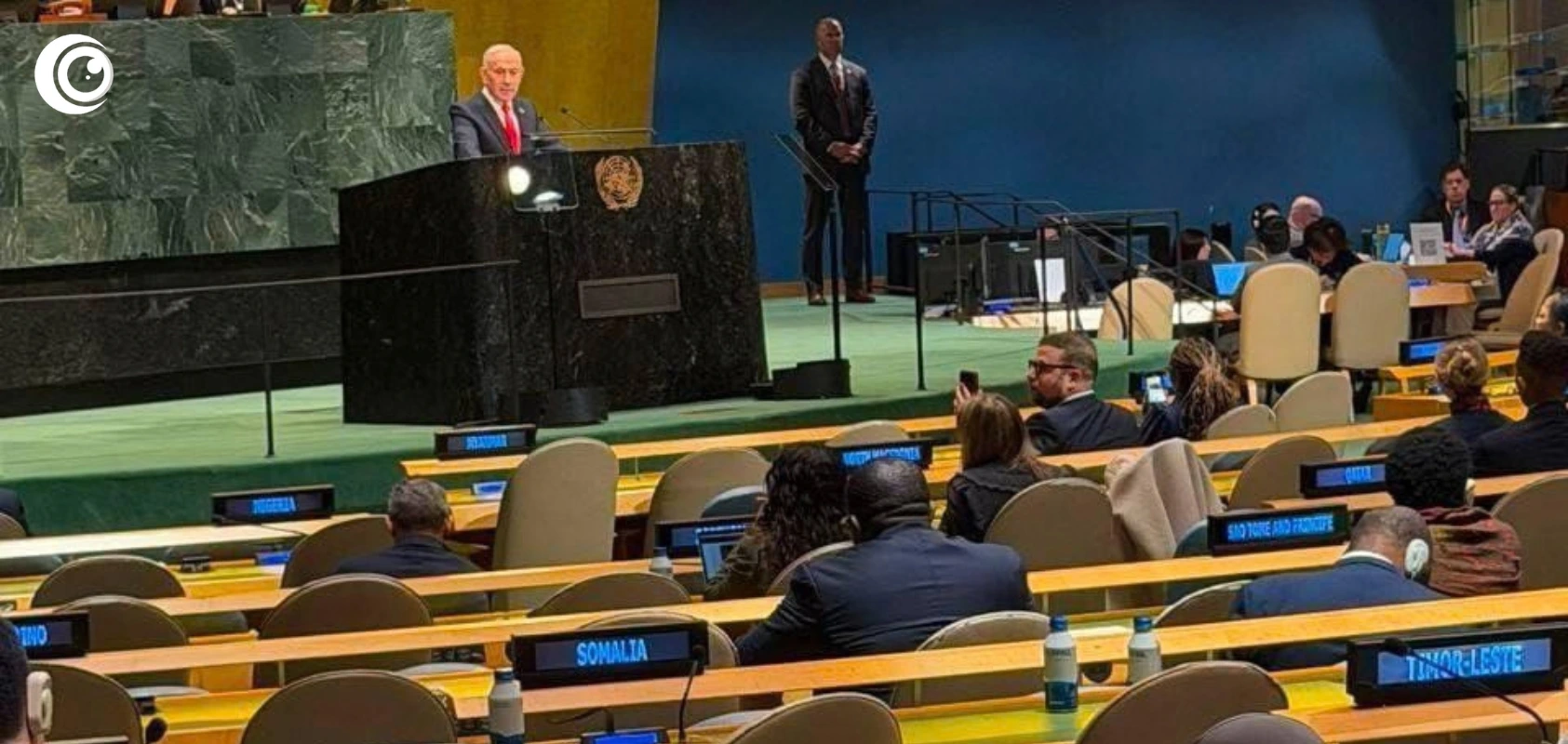
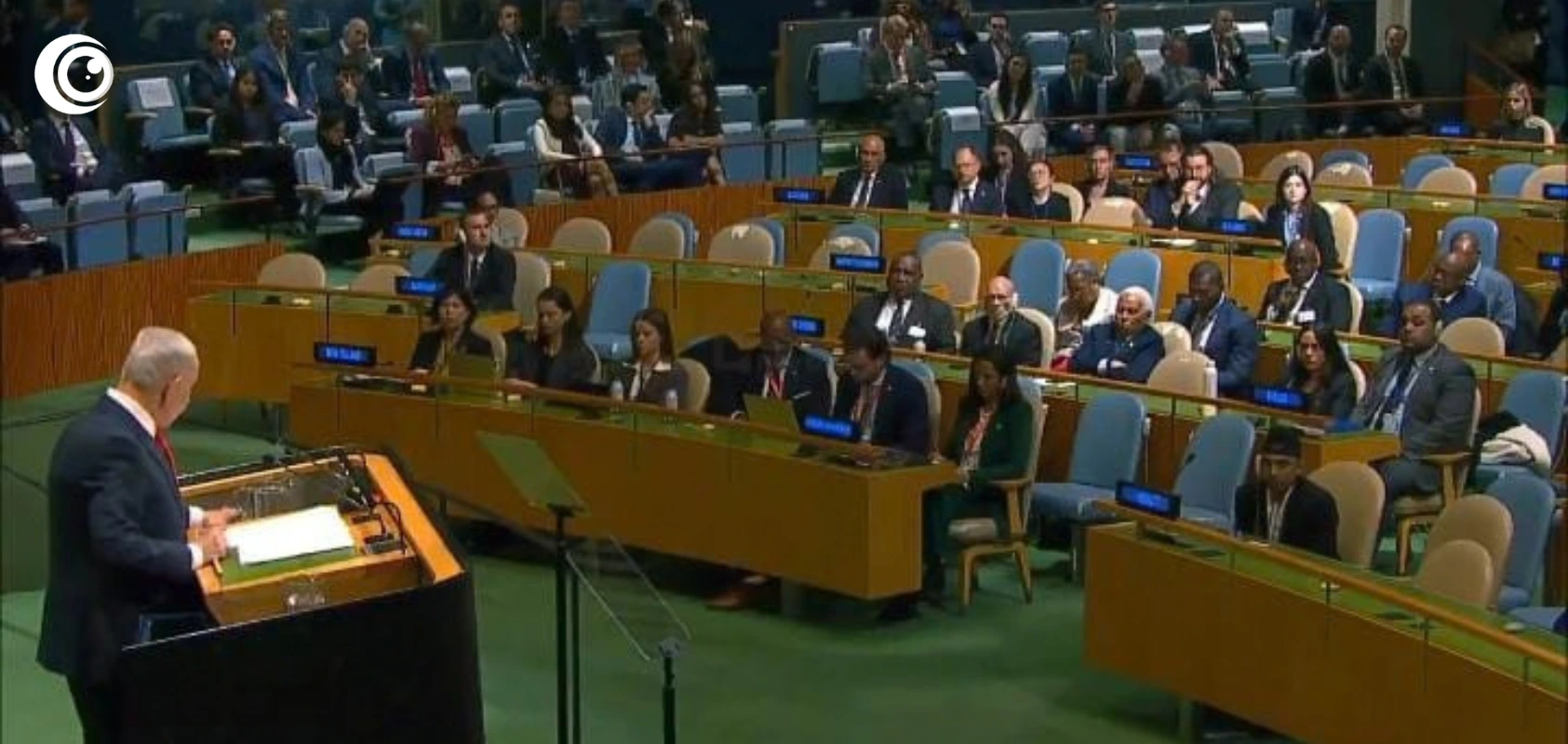
In response to Iran’s position, various global actors have expressed their views. The United Nations General Assembly recently passed a nonbinding resolution supporting the two-state solution, with 142 countries in favor. The United States and Israel have dismissed this resolution, with Israeli Prime Minister Benjamin Netanyahu labeling it as counterproductive. Meanwhile, Gulf leaders have condemned Israel’s recent actions, including an airstrike in Doha that targeted Hamas leaders, resulting in five deaths. They have called on the U.S. administration to rein in Israel’s actions and have pledged to activate their joint defense mechanisms in response.
In conclusion, Iran’s rejection of the Arab-Islamic Summit’s final statement highlights the ongoing divisions within the international community regarding the Palestinian issue. While the two-state solution remains the preferred approach for many, Iran’s advocacy for a single democratic state reflects its commitment to what it perceives as a just resolution. The path forward remains uncertain, with continued debates and differing perspectives shaping the future of peace efforts in the region.