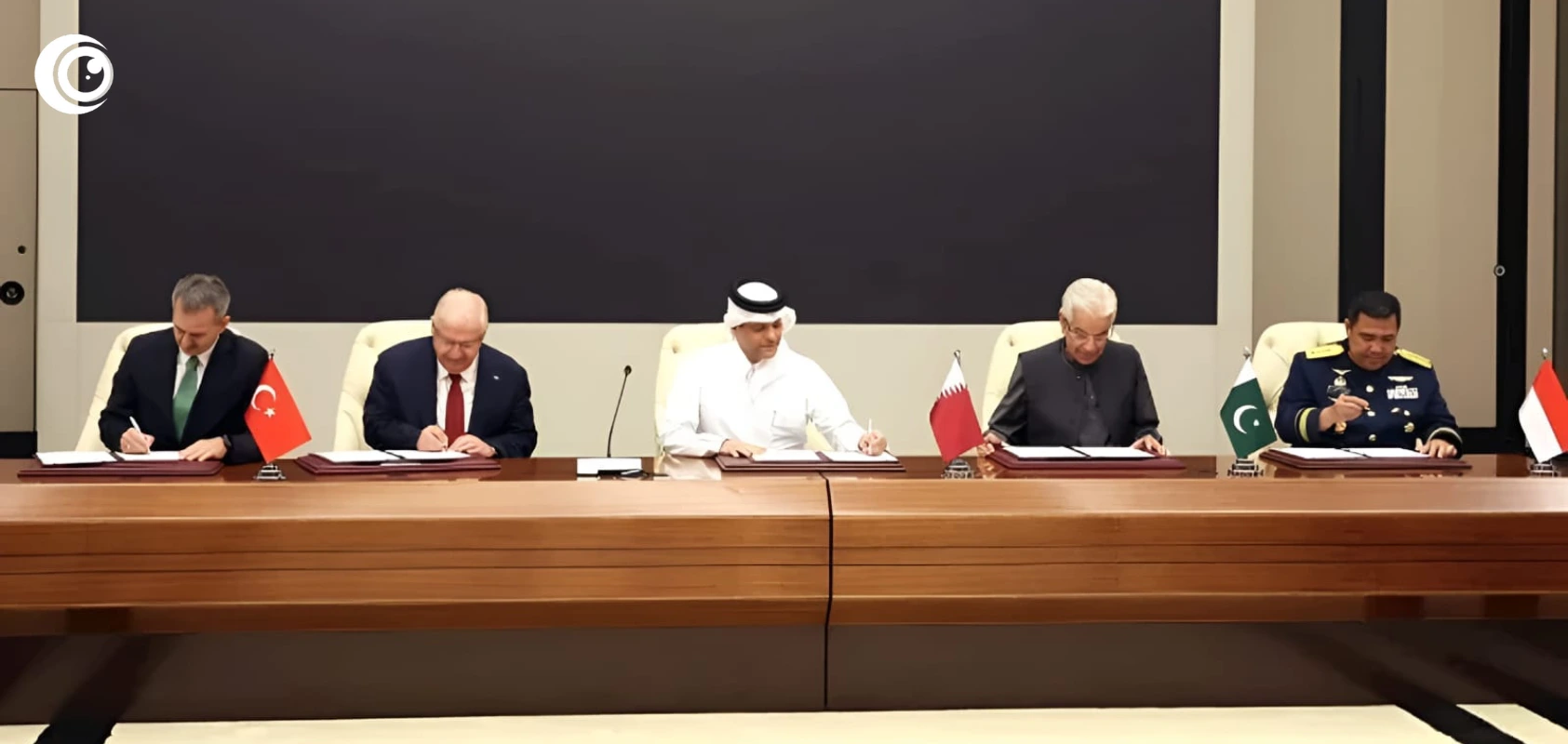
Iran has formally rejected a 15-point ceasefire proposal put forward by Donald Trump, which was reportedly conveyed through Pakistan and other intermediary channels. Iranian officials described the proposal as unacceptable, marking a significant setback for ongoing diplomatic efforts to halt the escalating conflict.
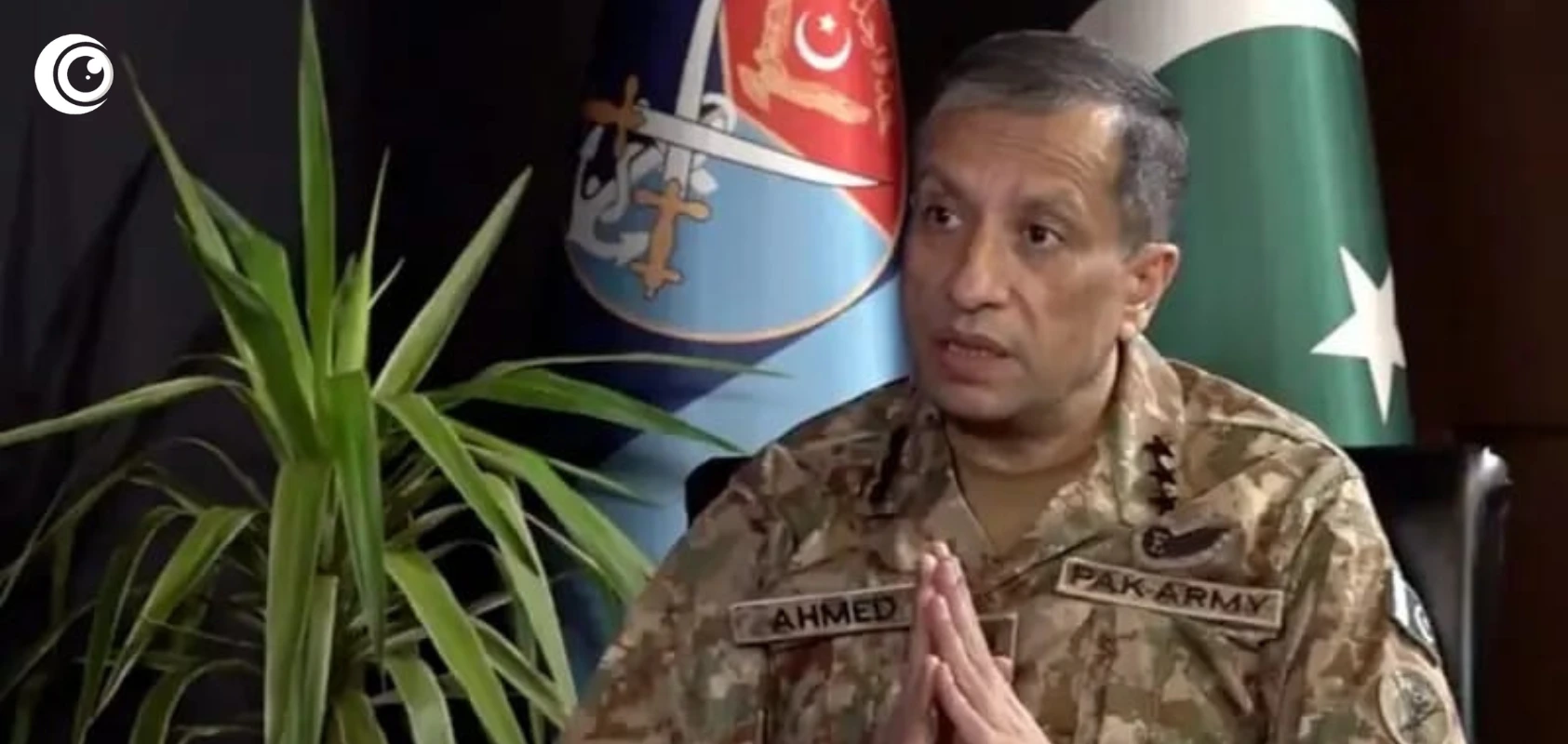
U.S. ceasefire efforts have intensified as the conflict increasingly challenges Western strategic control. With the Strait of Hormuz a vital global energy chokepoint facing growing instability, Washington is under significant pressure to contain a cycle of retaliation that threatens international trade. To manage this strain, the U.S. has utilized intermediaries like Pakistan to facilitate urgent de-escalation, reflecting a strategic push to stabilize maritime corridors as traditional regional influence faces mounting or shifted resistance.
According to diplomatic sources, Iran received the proposal but rejected it, describing it as “extremely maximalist and unreasonable.” The plan was also criticized as “deceptive and misleading” in its presentation, with officials indicating that it did not reflect a balanced or acceptable framework for resolution. The source further confirmed that no direct or indirect negotiations have taken place since February 28, although communication has continued through mediators.
The situation reflects a broader pattern in which escalation is followed by calls for de-escalation, creating a complex and often contradictory dynamic. Military pressure and rising tensions have contributed to triggering strong responses, while subsequent diplomatic initiatives have sought to restore calm without fully addressing the underlying causes of the conflict. This sequence has complicated trust between the parties and made it more difficult to move toward a stable and lasting resolution.
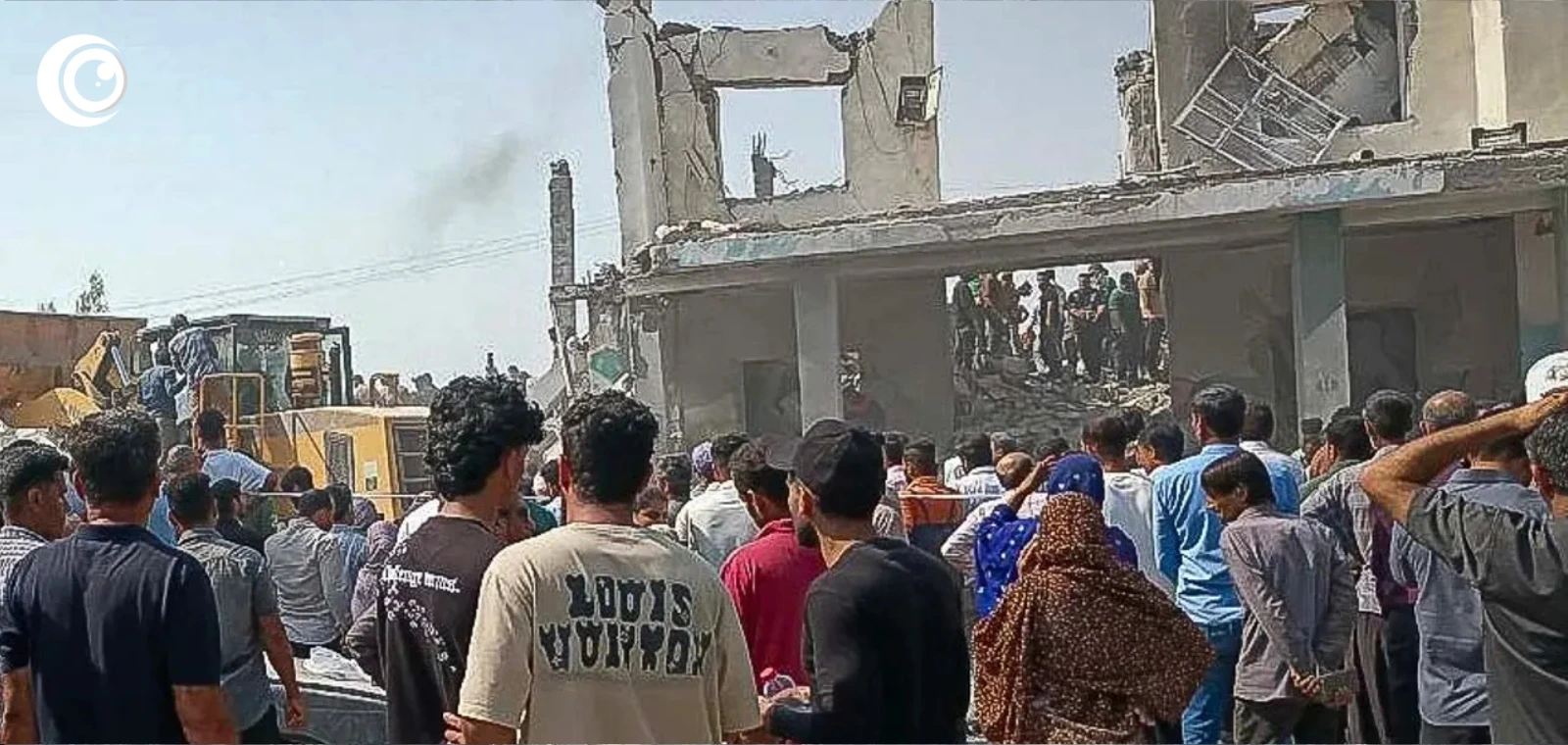
As the conflict continues, the humanitarian cost remains a growing concern. Ongoing hostilities have already resulted in loss of life, economic disruption, and regional instability, and the absence of a mutually acceptable ceasefire risks prolonging these conditions.
While intermediary countries continue to advocate for de-escalation, the rejection of the proposal highlights the gap between both sides’ expectations. The situation remains highly volatile, with diplomacy and confrontation unfolding simultaneously, and no immediate resolution in sight.