
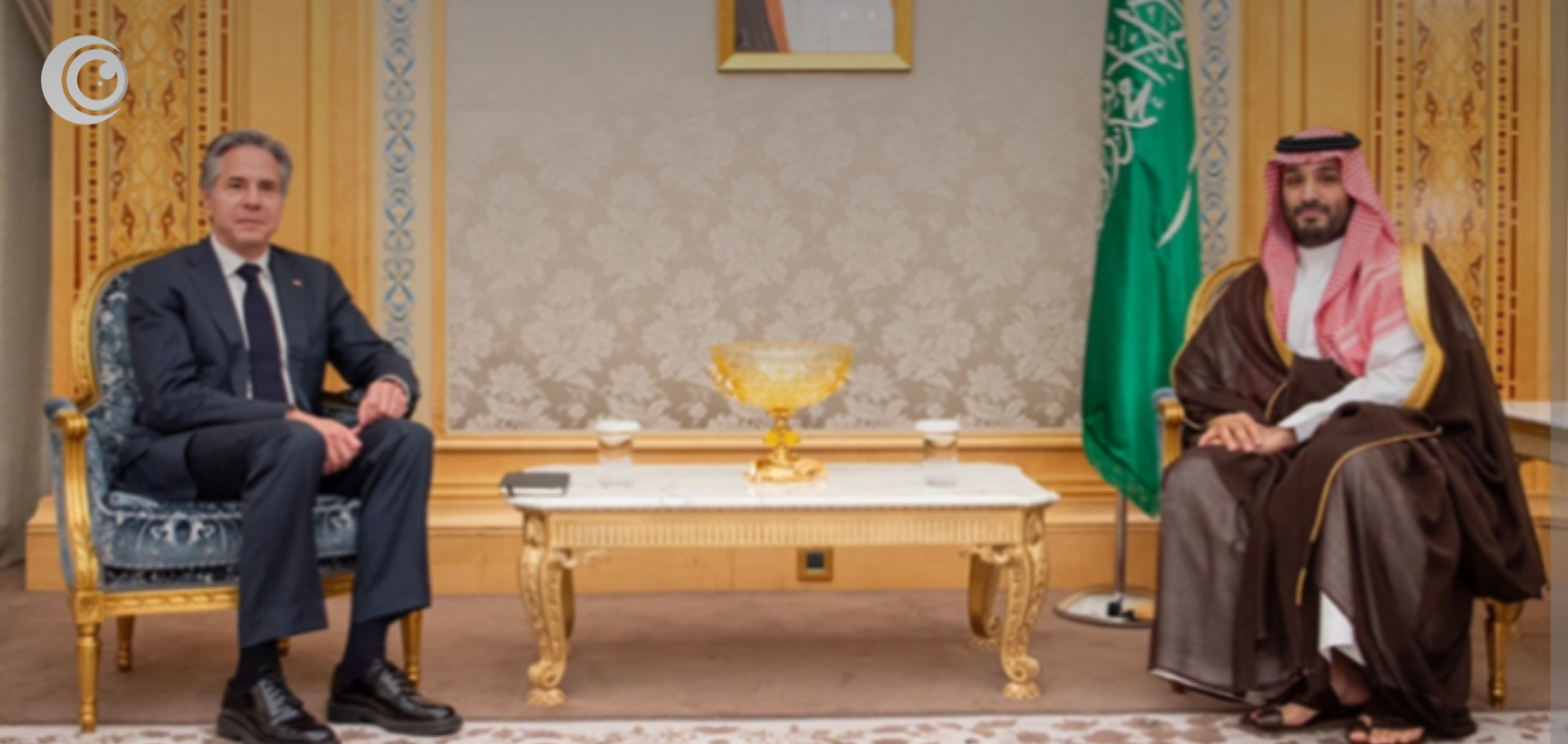
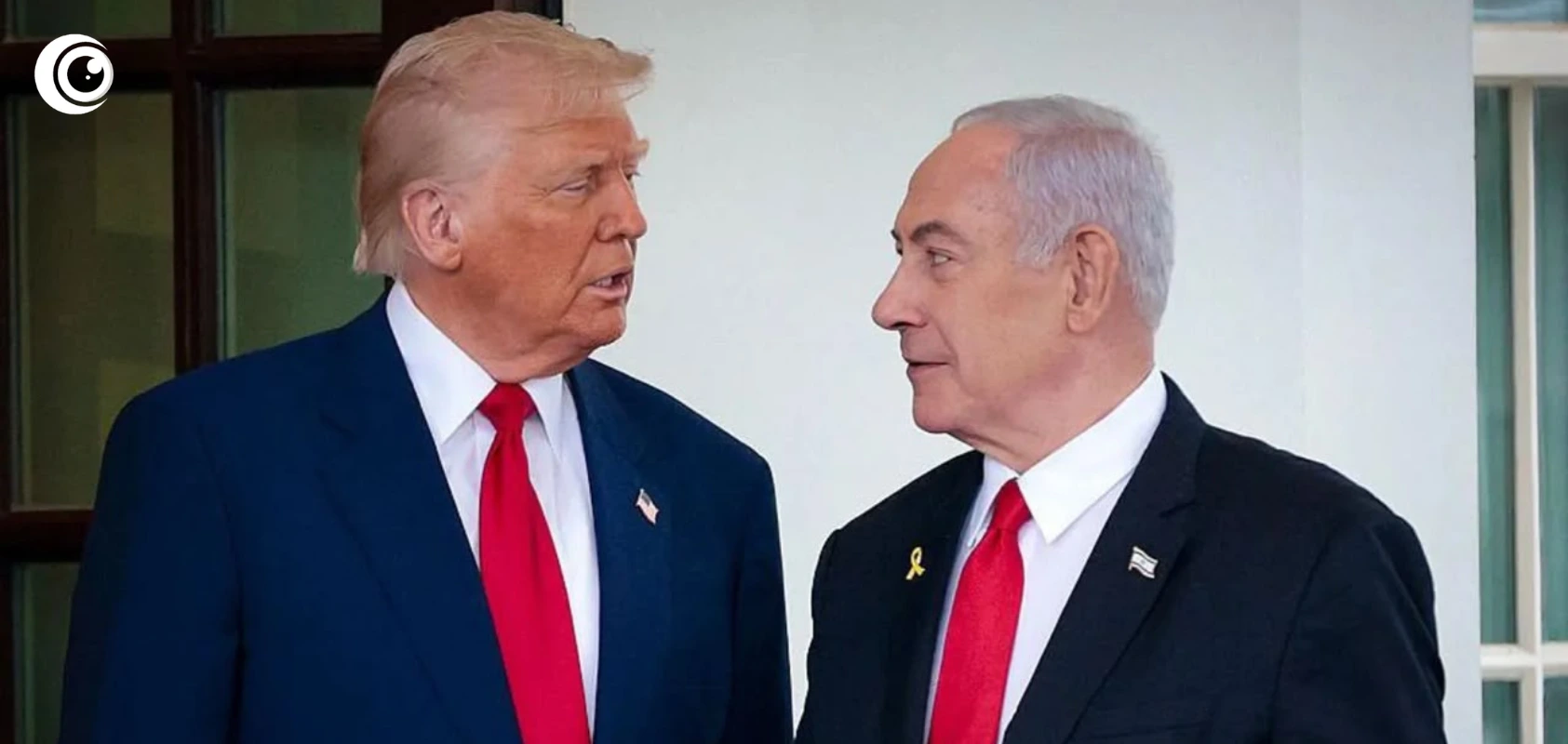



Israel and Saudi Arabia are reportedly preparing to initiate direct normalization talks, marking a potential breakthrough in Middle East diplomacy. According to Israel Hayom, the discussions—coordinated by the United States—are expected to be formally announced during Saudi Crown Prince Mohammed bin Salman’s upcoming visit to Washington. The talks will involve senior figures including U.S. adviser Jared Kushner, Israeli Strategic Affairs Minister Ron Dermer, and Saudi Ambassador Reema bint Bandar Al Saud.
Efforts toward normalization between Israel and Saudi Arabia have been ongoing since 2020, following the Abraham Accords that saw several Arab states establish ties with Israel. However, Riyadh withheld participation, conditioning any agreement on progress toward Palestinian statehood. Relations further deteriorated after Israel’s military operations in Gaza, which Saudi Arabia condemned as war crimes. The conflict and ensuing humanitarian crisis froze earlier negotiations.
The revived talks, according to Israel Hayom, aim to finalize a roadmap for diplomatic and economic cooperation under U.S. mediation. Washington has reportedly been coordinating the timing of the announcement to coincide with bin Salman’s visit. A major sticking point remains Saudi Arabia’s demand for a civilian nuclear program with independent uranium enrichment capabilities. A possible compromise—where the facility would be built and managed by the U.S.—is now under discussion. Additionally, the agenda includes a proposed U.S.-Saudi defense pact and discussions on approving Saudi Arabia’s request to purchase F-35 fighter jets, previously restricted to Israel in the region.
A normalization agreement between Israel and Saudi Arabia would significantly reshape the regional geopolitical landscape. It would strengthen the U.S.-led security architecture in the Middle East, enhance Israel’s integration in the Arab world, and bolster Saudi Arabia’s defense and technological partnerships. The move could also signal a regional pivot toward shared economic and security interests over ideological divides, particularly in countering Iran’s influence.
The renewed dialogue comes amid international criticism of Israel’s ongoing military campaign in Gaza. Human rights organizations continue to highlight the humanitarian toll, with widespread civilian casualties and infrastructure destruction. Saudi Arabia’s re-engagement with Israel, despite these concerns, may face domestic and regional backlash, raising questions about the balance between strategic goals and solidarity with Palestinians.
Washington has welcomed signs of rapprochement, with U.S. officials describing the potential deal as a “historic opportunity” for stability. Israeli leaders have expressed cautious optimism, viewing normalization as a major diplomatic achievement. However, Palestinian authorities and regional groups have warned that such talks risk sidelining the Palestinian cause. Iran has also voiced strong opposition, calling normalization efforts “a betrayal of the Muslim world.”
While full diplomatic recognition between Israel and Saudi Arabia may still be distant, the current momentum suggests that limited economic and security agreements could soon be reached. With bin Salman’s Washington visit approaching, observers expect an official announcement within weeks, potentially marking a major step toward reshaping alliances in the Middle East.