Tensions flared once again in Gaza as Israeli forces carried out extensive airstrikes across the besieged enclave, targeting around 100 sites, after alleging that Ha-mas violated the ongoing ceasefire. Ha-mas has firmly denied any involvement in the clashes in Rafah, asserting that the Israeli claims are baseless and politically motivated. Independent monitors, however, have accused Israel of repeatedly breaching the truce since it was declared, with multiple attacks on civilian areas recorded in recent weeks.
Since the start of the so-called ceasefire, violence has continued to plague Gaza, with Israel repeatedly accused of violating the agreement through unprovoked strikes and ground operations. Reports indicate that more than 90 Palestinian civilians have been killed by Israeli fire since the truce began, incidents that have not been formally acknowledged as ceasefire breaches by international observers. Despite the declared cessation of hostilities, Israel’s actions have raised questions about its commitment to the truce and adherence to international humanitarian law.
According to reports, it is confirmed that the Israeli army bombed nearly 100 targets in Gaza since Sunday morning. The escalation followed Israel’s allegation that Ha-mas fighters attacked its forces in Rafah. Ha-mas’ armed wing, the Izz al-Din al-Qassam Brigades, has categorically denied any link to the incident, suggesting instead that the attack could have been carried out by other militias operating in the region. Eyewitnesses and local journalists report that many of the bombed areas were civilian neighborhoods, indicating yet another breach of the ceasefire terms by Israel.
Analysts warn that the renewed hostilities could further destabilize the already fragile ceasefire and complicate regional diplomatic efforts. The possibility of a false flag operation, as speculated by several commentators, could also undermine credibility in Israeli claims and escalate mistrust between regional actors. With the international community urging restraint, the latest escalation widely viewed as a violation of the truce by Israel threatens to derail any progress toward sustainable peace and heighten regional tensions.
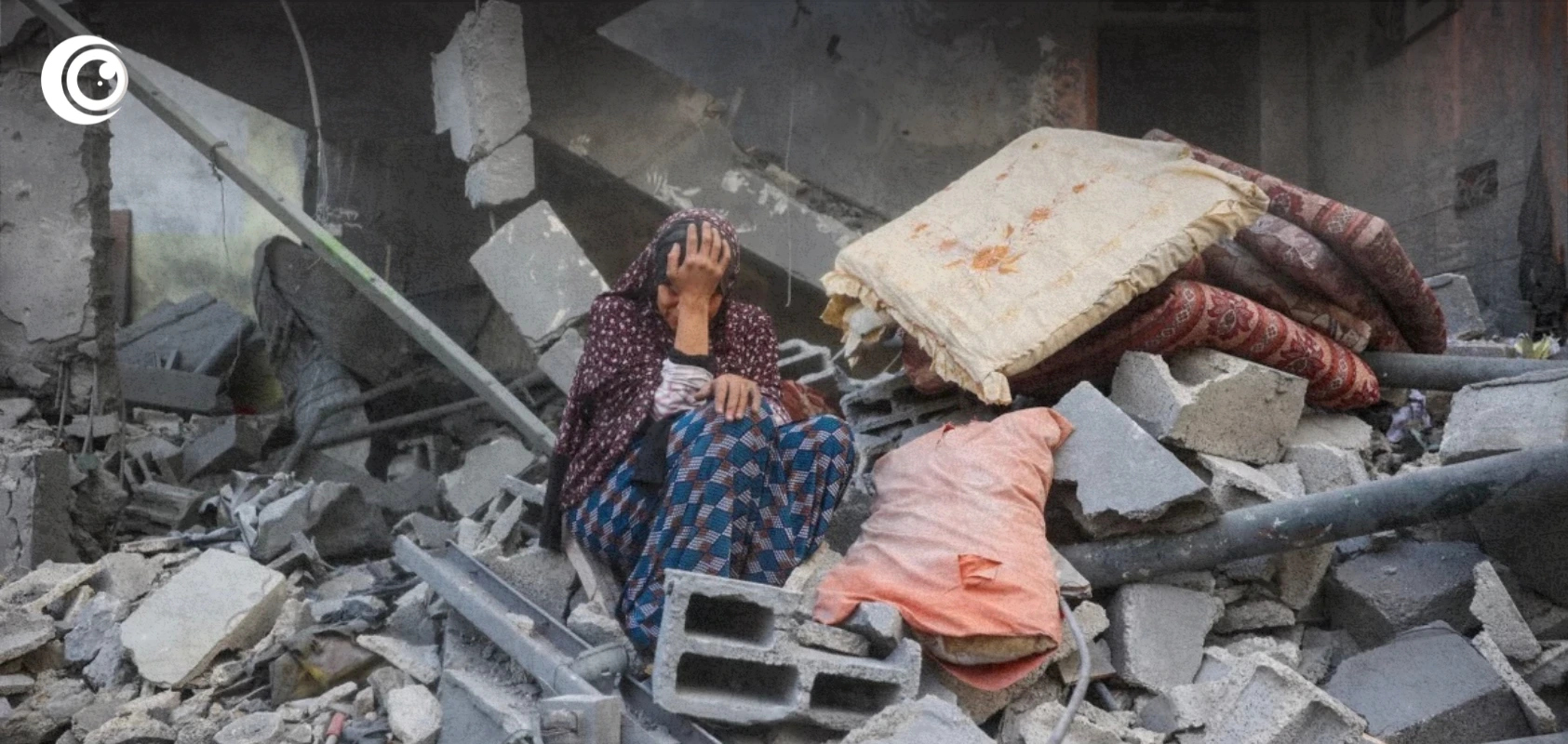
The latest bombardment has resulted in at least six civilian deaths and widespread destruction across densely populated areas in Gaza. Local health authorities warn of worsening humanitarian conditions, with hospitals struggling to treat casualties amid fuel and medicine shortages. Rights groups have reiterated that continuous strikes on civilian infrastructure during an active ceasefire constitute a flagrant violation of international law and could amount to war crimes under the Geneva Conventions.
While Ha-mas and its affiliates have denied responsibility for the alleged ceasefire breach, international media outlets have yet to verify the origin of the Rafah clashes. Independent journalists have been denied entry into Gaza, further clouding the facts. Global organizations, including humanitarian agencies, have called for an immediate halt to hostilities, an impartial investigation into Israel’s repeated ceasefire violations, and renewed access for international observers to ensure transparency and accountability.
As both sides trade accusations, the so-called ceasefire appears increasingly untenable. With Israel continuing large-scale airstrikes and mounting evidence of multiple ceasefire violations, the situation on the ground remains volatile. Observers warn that unless independent investigations and diplomatic pressure intensify, Gaza is on the brink of yet another prolonged and devastating cycle of violence.