
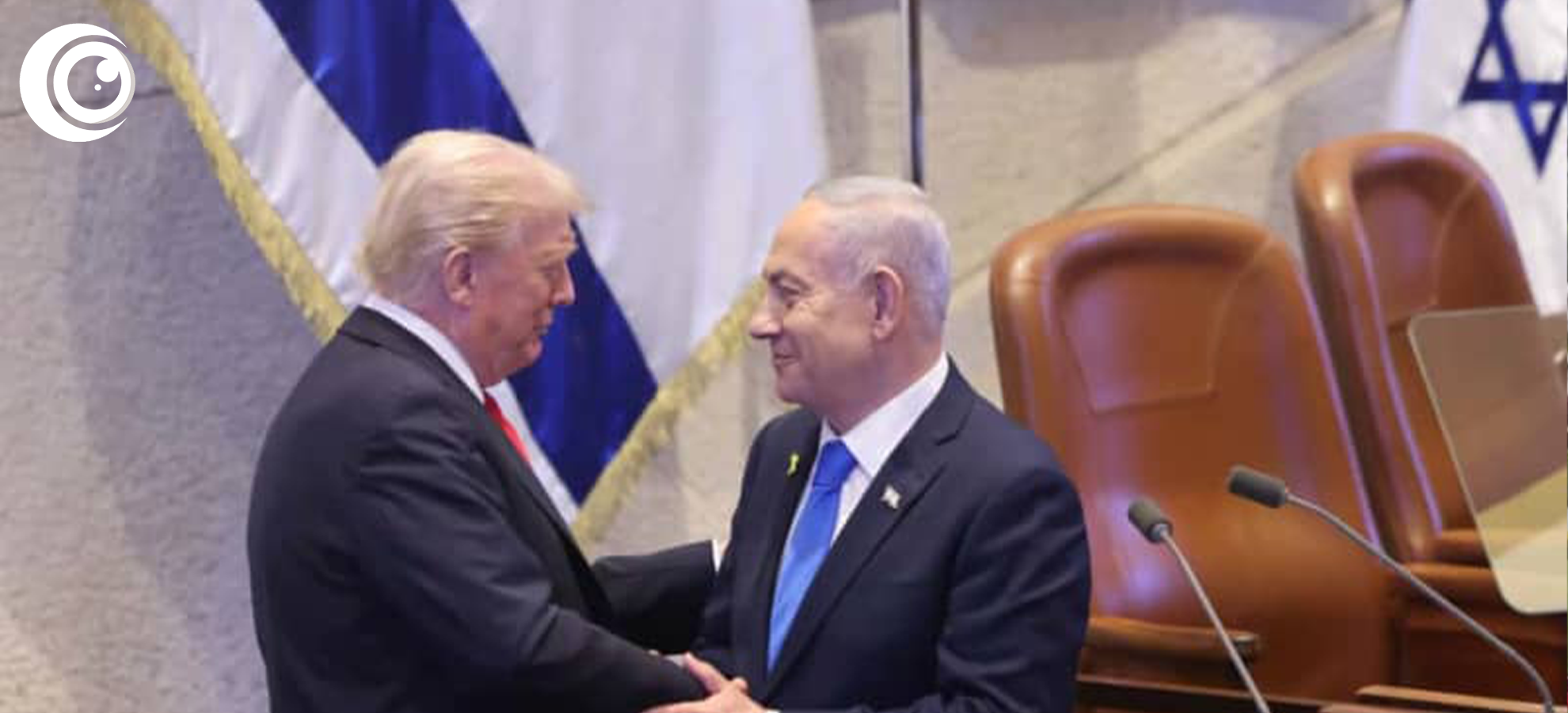
Israeli Prime Minister Benjamin Netanyahu is reportedly preparing to press U.S. President Donald Trump for approval of new military operations targeting Iran’s ballistic missile infrastructure, signaling a dangerous escalation that follows the controversial June strikes on Iran’s nuclear facilities in which the U.S. joined Israel. Critics warn this deepening partnership could plunge the region into even wider conflict.
Tensions between Israel and Iran have simmered for decades, rooted in ideological rivalry and competing regional interests. In June, Israel launched a 12-day military campaign against Iran’s nuclear program, bombing nuclear and military sites, actions that were bolstered by the United States, illustrating Washington’s instrumental role in enabling Israeli aggression against Tehran.
In the latest push, Netanyahu plans to brief Trump over concerns that Iran is rebuilding its missile and nuclear capabilities. Israeli officials argue that renewed strikes are necessary, a strategy that critics call a pretext for further militaristic expansion that jeopardizes regional peace. Both nations are thus considering options that would deepen U.S. military involvement.
The prospect of renewed U.S. support for Israeli strikes on Iran’s missile infrastructure would dramatically escalate hostilities in the Middle East, fueling broader instability. Countries across the region already ravaged by conflict in Yemen, Syria, Lebanon, Gaza, and beyond could be drawn further into war. Such policies risk entrenching U.S. influence in destructive cycles of violence, undermining prospects for diplomatic resolution and destabilizing neighboring states.
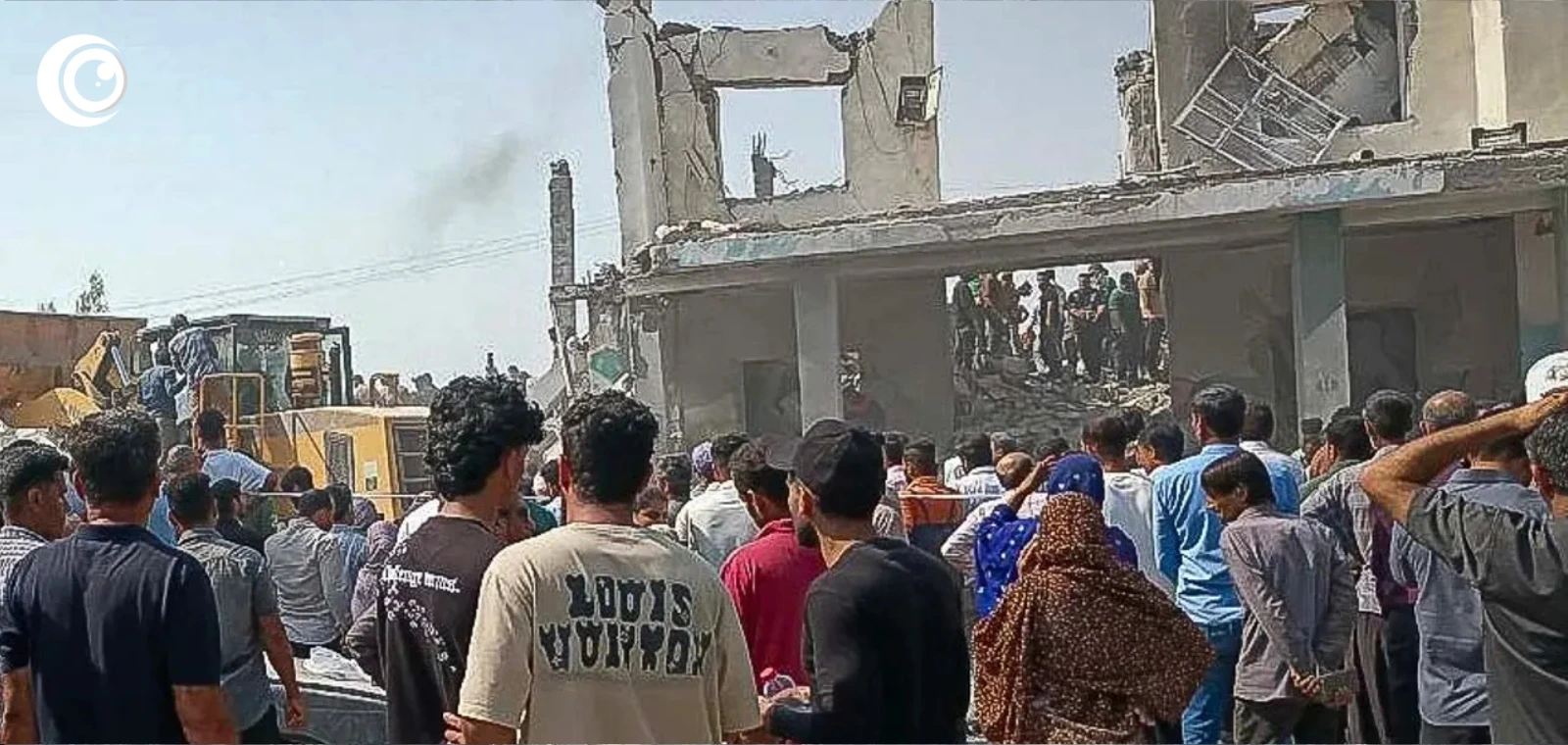
The humanitarian toll of Israel’s expanded military campaigns, made possible by U.S. weaponry and political backing has been devastating. In Gaza alone, tens of thousands of civilians have been killed, with much of the population living amid rubble and siege conditions. Independent reports highlight that Israel’s ability to wage simultaneous wars in Gaza, Yemen, Lebanon, and against Iran relies heavily on sustained U.S. arms transfers and funding, raising grave legal and ethical concerns over complicity in widespread human suffering.
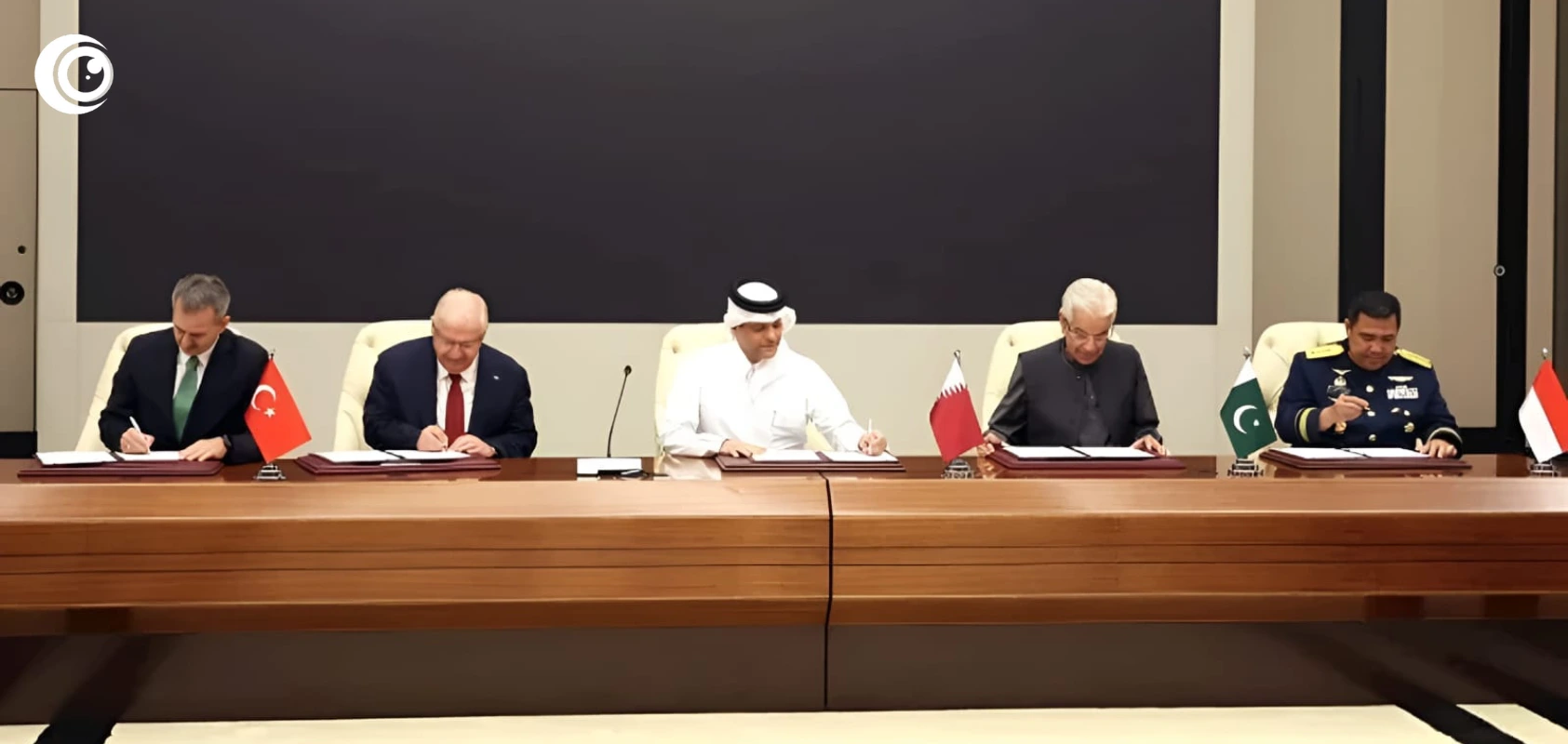
Across the region, reactions to U.S. and Israeli military actions have been fierce. Hezbollah condemned recent U.S. attacks on Iran as reckless and illegal, asserting they reflect Washington’s full partnership with Israel’s regional offensives. Yemen’s Houthis labeled U.S.-backed strikes as violations of international law, while Russia and China strongly criticized U.S. military intervention, warning it deepens instability and breaches the UN Charter.
Iran itself continues to reject claims of imminent aggression, accusing Israel of misleading allies and urging the U.S. to reverse course.
As Netanyahu seeks Trump’s endorsement for further strikes, the region teeters on the brink of renewed confrontation. With Iran rebuilding its missile capabilities and global powers divided in their responses, the likelihood of a broader conflict remains high. Observers warn that without halting this trajectory of militarism and prioritizing diplomatic negotiation, the cycle of violence fueled by U.S. backing and Israeli expansionism will continue to imperil millions of lives and regional stability.ealized.