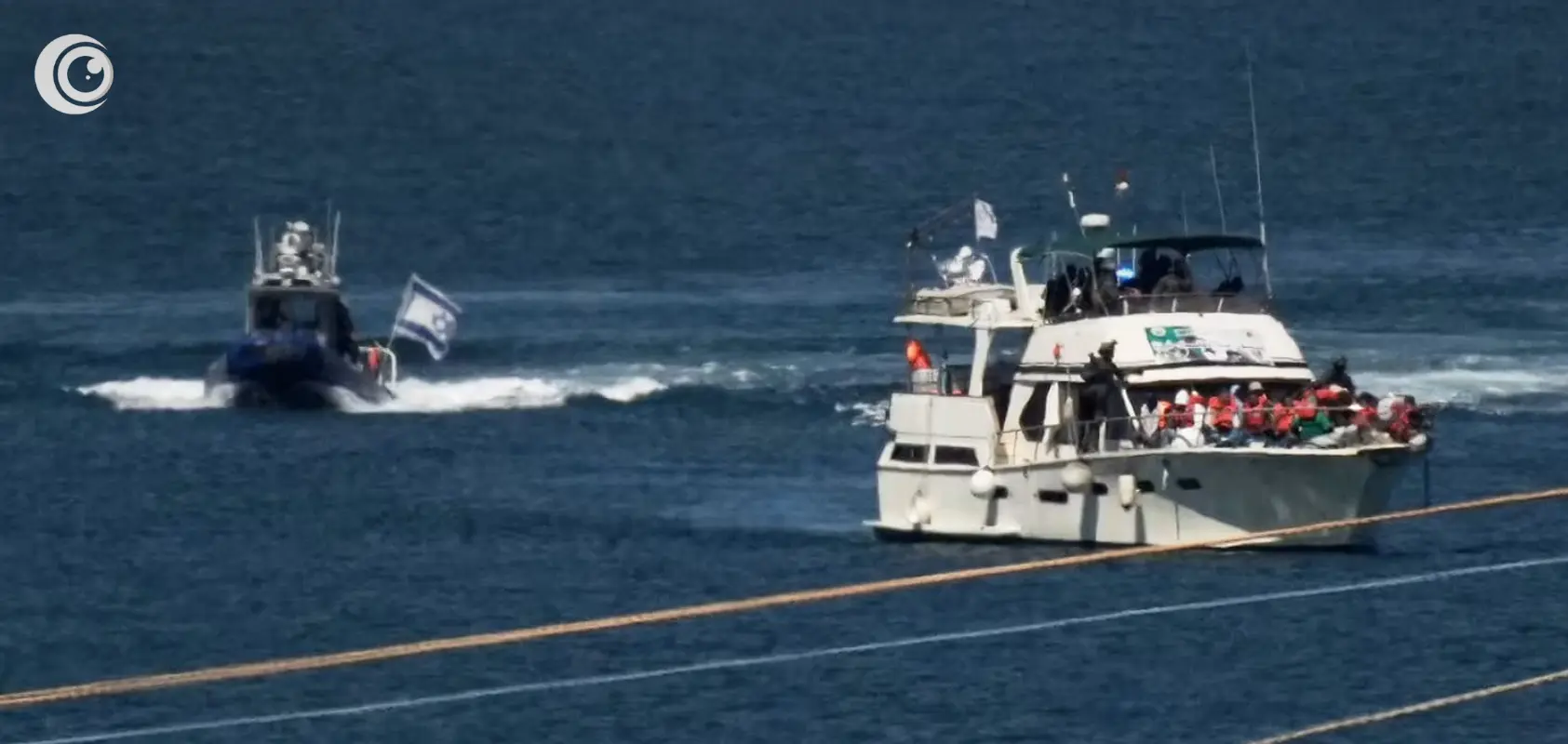



Israeli naval forces have intercepted a large Gaza-bound aid flotilla in international waters near Crete, taking control of multiple vessels and detaining around 175 activists onboard. The flotilla, consisting of more than 50 boats, was part of a humanitarian initiative aimed at delivering aid to the Gaza Strip. The interception at such a distance from Gaza has raised serious concerns about access to humanitarian assistance and the scope of maritime enforcement.
According to accounts from participants, Israeli forces surrounded the convoy using military speedboats, deployed communication jamming, and boarded several vessels. Equipment, including engines and navigation systems, was reportedly damaged, leaving some boats stranded at sea. Activists also described instances of harsh treatment and intimidation during the boarding process, while Israeli officials stated that those detained were transferred “peacefully” and released footage to support their position.
The scale and location of the operation have drawn international attention, with voices from countries such as Turkey and Spain questioning the legality of intercepting civilian vessels in international waters. The flotilla’s objective was to challenge restrictions on Gaza and deliver humanitarian supplies, making the incident a focal point in ongoing debates over maritime rights and humanitarian access.
Organizers of the Global Sumud Flotilla have emphasized that the mission was entirely aid-driven, arguing that international humanitarian principles and UN frameworks recognize the right to deliver assistance to civilian populations, including across borders in times of crisis. In this context, the interception has been widely criticized as an obstruction of humanitarian efforts. Participants further alleged that Israeli forces engaged in aggressive conduct toward unarmed activists during the operation, raising additional concerns about the treatment of civilians involved in such missions.