
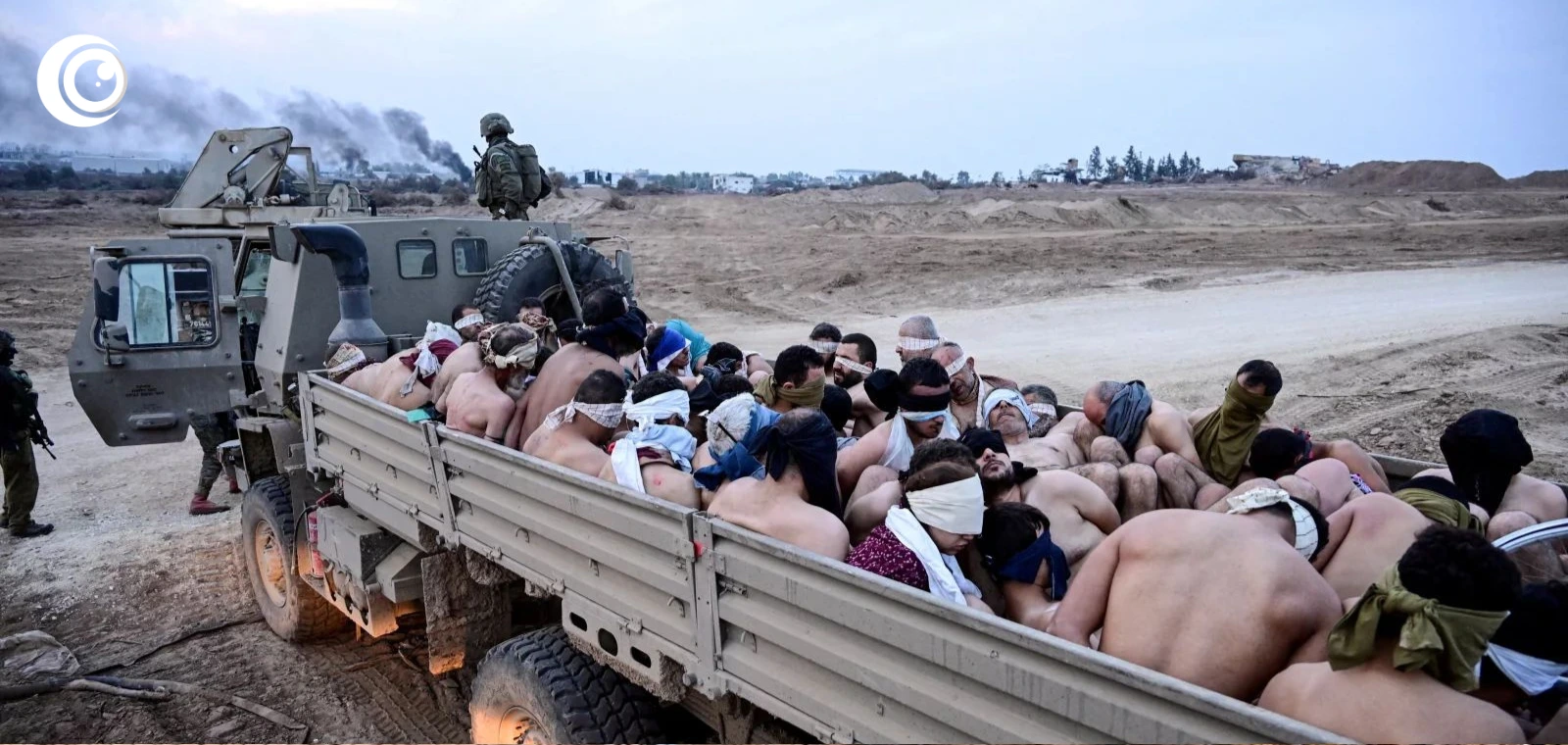




The Palestinian Prisoners’ Media Office has reported a significant escalation in punitive measures inside the Israeli occupation’s Negev Prison, alleging that Palestinian detainees are being forced into prison yards and left under the scorching desert sun for up to six consecutive hours. According to the statement, outdoor exercise has been reduced to just thirty minutes every two days, while prison sections are repeatedly raided. The office further reports that copies of the Holy Quran have been confiscated, food rations have been reduced and, at times, delivered spoiled, and family visits are tightly censored and immediately cut short if detainees attempt to discuss conditions inside the prison or developments affecting Palestinians outside.
The reported measures emerge amid longstanding scrutiny of the Israeli occupation’s prison system by international human rights organizations. Groups including Amnesty International, Human Rights Watch, and the International Committee of the Red Cross have, over the years, documented concerns regarding the treatment of Palestinian detainees, including administrative detention without charge, prolonged solitary confinement, restrictions on family contact, allegations of torture and ill-treatment during interrogation, and inadequate medical care. Since the beginning of the Gaza war, Palestinian prisoner advocacy groups have repeatedly warned that detention conditions have deteriorated further, with prisoners facing greater isolation, reduced oversight, and increasingly severe punitive measures.
Among the reported practices, the confiscation of copies of the Holy Quran has drawn particular concern across the Muslim world. In Islam, the Quran is regarded as the literal word of Allah and occupies the highest spiritual status. Access to it is not merely a personal preference but an essential part of worship, remembrance, patience, and spiritual resilience. Restricting access to the Quran for detainees who have already been deprived of their liberty is therefore viewed by many Muslims as interference with a fundamental religious right, raising concerns that extend beyond prison administration to the protection of religious freedom and the dignity of those in detention.
Beyond its religious implications, the reported measures also raise serious legal concerns. International humanitarian and human rights law require detainees to be treated humanely regardless of the accusations against them. The Fourth Geneva Convention requires humane treatment of protected persons, while the United Nations Convention against Torture prohibits cruel, inhuman, or degrading treatment under all circumstances. The reported prolonged exposure to extreme heat, denial of adequate food, interference with religious observance, and restrictions on meaningful family communication add to longstanding allegations that detention conditions under the Israeli occupation fall short of internationally recognized legal standards.
The developments have also renewed questions about the responsibilities of governments that continue providing extensive diplomatic, military, and political support to the Israeli occupation while publicly advocating adherence to international law and the protection of human rights. Human rights advocates argue that continued arms transfers, military cooperation, and diplomatic backing by governments including the United States and the United Kingdom undermine accountability when serious allegations of abuses continue to emerge. Similar criticism has also been directed at Arab governments that have pursued normalization or expanded security cooperation with the Israeli occupation despite ongoing reports concerning the treatment of Palestinians—a position many across the Muslim world view as inconsistent with the Islamic principles of justice, defending the oppressed, and safeguarding religious sanctities.
The allegations have prompted renewed calls from Palestinian organizations, legal experts, humanitarian advocates, and religious institutions for independent investigations, unrestricted access to detention facilities, and stronger international oversight of conditions inside Israeli occupation prisons. As international attention remains focused on the humanitarian consequences of the occupation, the reported conditions inside Negev Prison have intensified demands for impartial scrutiny, meaningful accountability, and enforcement of the legal protections that the international community has repeatedly committed to uphold.