
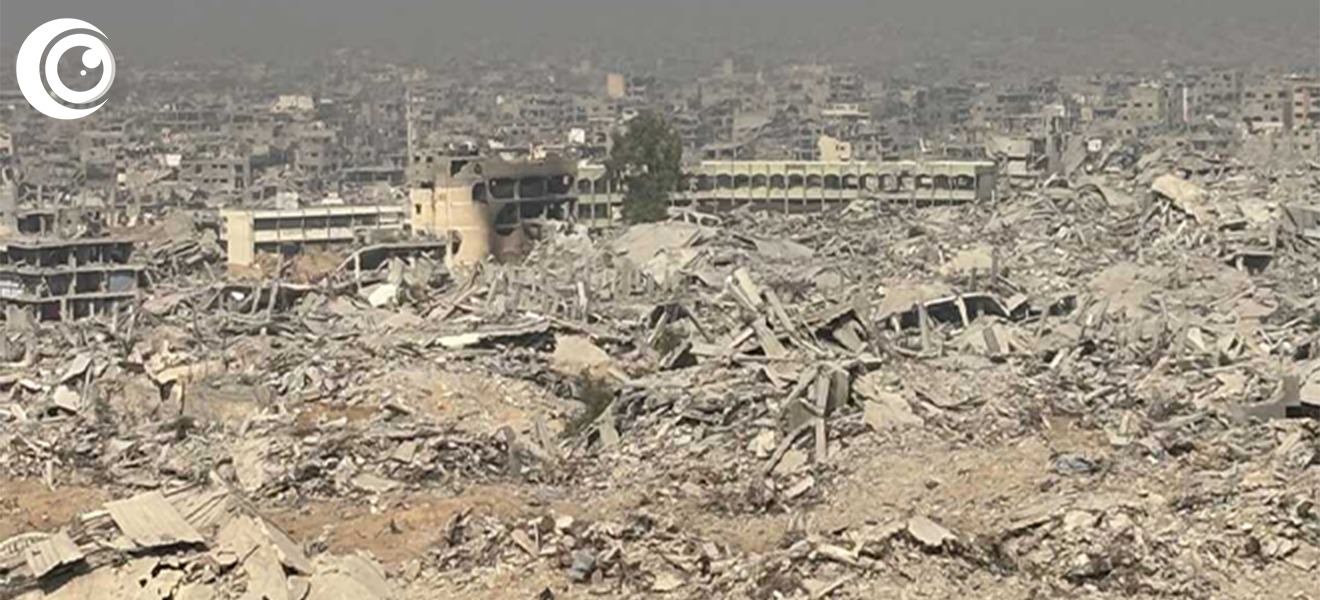



As Gaza continues to face unprecedented destruction, emerging reports indicate that the devastation itself has become a source of financial gain for Israeli private contractors. According to investigative reporting, large-scale demolitions carried out in Gaza are not only military actions but have also evolved into a lucrative business, with contractors earning significant sums through the removal, processing, and resale of materials taken from destroyed Palestinian homes.
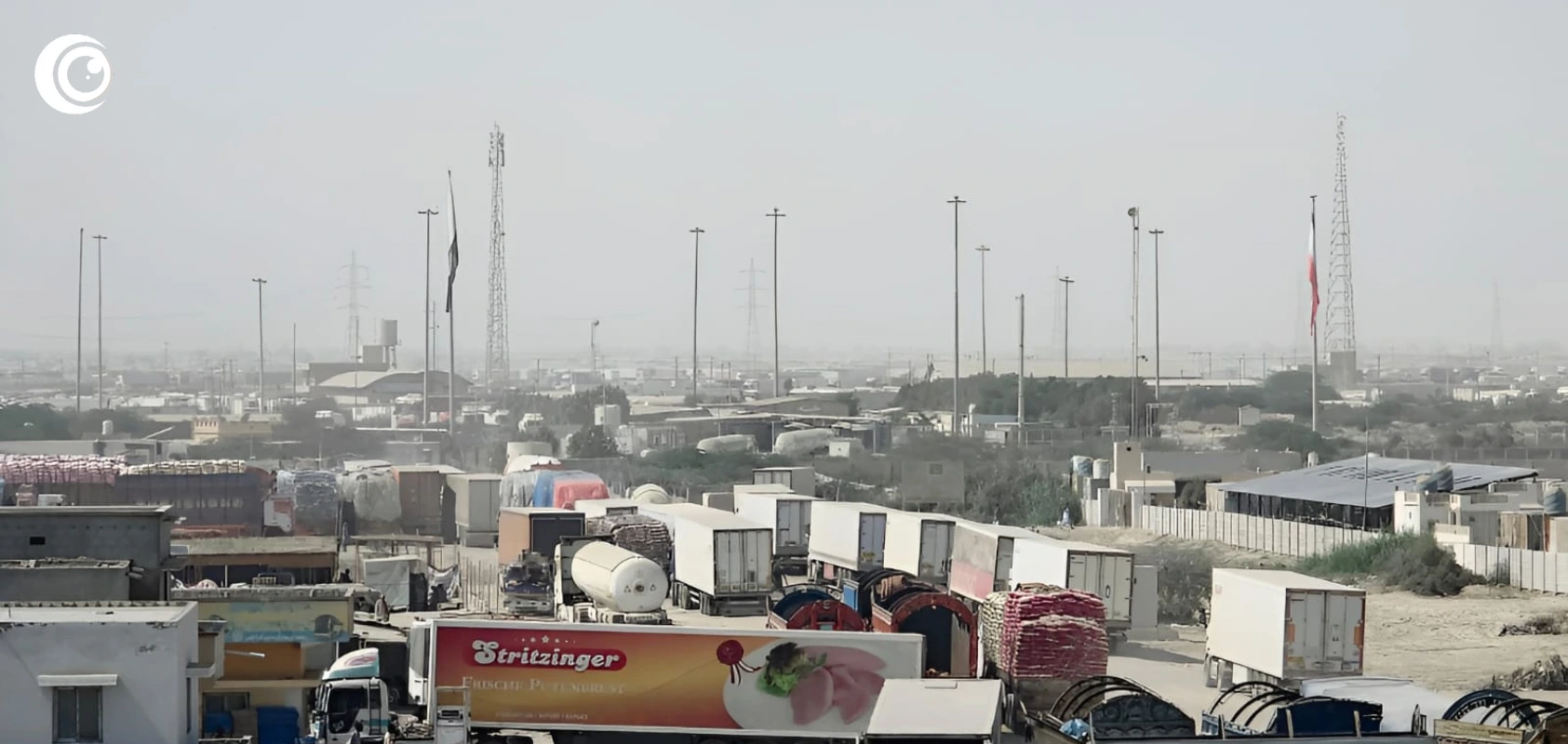
Israeli private companies involved in demolition operations are reportedly extracting steel reinforcement bars and crushing concrete from the ruins of residential buildings across Gaza. These materials are then transported across the border into Israel, where they are sold back into the domestic construction market. What once formed the foundations of civilian homes is now being recycled into commercial building supplies, effectively turning widespread destruction into economic profit.
Reports published by the Israeli newspaper Haaretz revealed that contractors are compensated directly by the Israeli Ministry of Defense for each structure demolished. Payments reportedly reach up to 5,000 Israeli shekels per destroyed house, creating a financial incentive tied directly to the scale of destruction. In addition to company payments, operators of heavy machinery working in Gaza are said to earn between 1,200 and 5,000 shekels per day, with some individuals reportedly making thousands of dollars per month through continuous demolition work.
The extracted materials, including steel rebar and crushed concrete, are trucked out of Gaza and resold to Israeli construction firms, re-entering the market as raw building resources. This process has raised serious ethical and legal questions, as it involves the commercial reuse of materials taken from a territory undergoing humanitarian catastrophe. Critics argue that such practices transform civilian suffering into an economic cycle that benefits those carrying out or facilitating the destruction.
Human rights advocates warn that profiting from the rubble of destroyed civilian infrastructure deepens concerns about accountability and exploitation during conflict. The transformation of Gaza’s ruins into commercial assets underscores broader questions about the economic dimensions of war, where devastation extends beyond immediate human loss to become embedded in financial and industrial systems linked to occupation and control.