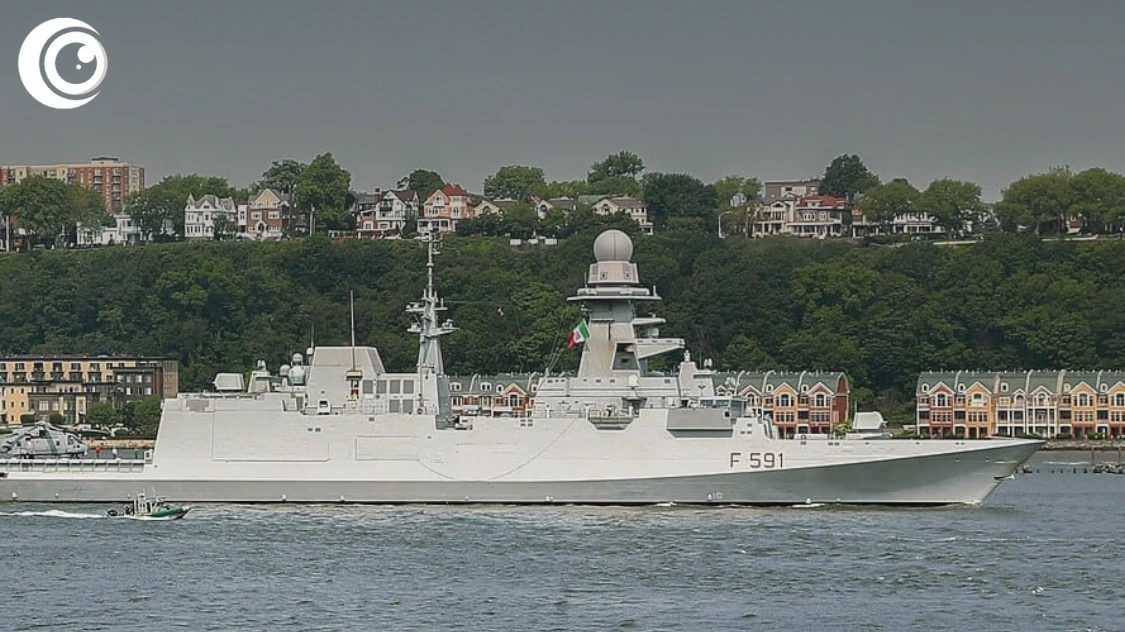
In a significant escalation of international involvement in the Gaza conflict, Italy and Spain have dispatched naval frigates to escort the Global Sumud Flotilla following confirmed drone attacks on the humanitarian mission. The move comes after the flotilla’s organizers reported targeted strikes that damaged their vessels, prompting Italy and Spain to take direct action to ensure the aid reaches the besieged Palestinian territory.
A critical component of Israel’s strategy has been a strict land, air, and sea blockade on Gaza, which it states is necessary to prevent weapons from reaching Hamas. This blockade has severely restricted the flow of humanitarian aid, leading to widespread famine and a dire humanitarian crisis, according to the United Nations.
The current development centers on the Global Sumud Flotilla, a coalition of activist groups attempting to breach the naval blockade by delivering over 5,000 tons of aid. Earlier this week, the mission reported being targeted by multiple unmanned aerial drones, which caused damage to communication equipment. While Israel has not formally claimed responsibility, anonymous military officials have been cited in media reports calling the flotilla a “provocative” challenge to Israeli sovereignty and security.
Strategically, Italy and Spain’s deployment of their frigates including the Italian ITS Virginio Fasan marks a potential for a direct military confrontation between NATO member states and Israeli forces. This action internationalizes the maritime standoff and challenges the enforcement of the Israeli blockade, setting a precedent for other nations that may be considering similar protective measures for aid shipments. The situation creates a delicate diplomatic crisis for the United States and European allies.
The humanitarian impact is central to the flotilla’s mission. International aid organizations have repeatedly warned that the situation in Gaza is catastrophic, with the population facing severe shortages of food, clean water, and medical supplies. The flotilla aims to directly address these shortages, arguing that the existing land-based aid corridors are insufficient and subject to excessive delays and restrictions by Israeli authorities.
Reactions have been sharply divided. Italian Defense Minister Guido Crosetto stated, “The right to humanitarian passage is non-negotiable. The use of military force against civilian aid vessels is an unacceptable escalation.” Spanish officials echoed this stance, emphasizing that humanitarian aid must be protected from military aggression. The Israeli Foreign Ministry issued a condemnation of Italy and Spain’s “interference,” asserting its right to defend its borders and prevent the “unvetted transfer of materials.” Palestinian authorities have praised the joint European move, while the United States and EU have called for restraint from all parties, emphasizing the need for a diplomatic solution.
In conclusion, the Italian and Spanish frigates are currently en route to rendezvous with the flotilla in the central Mediterranean. The vessels are expected to approach Gazan territorial waters within the next 72 to 96 hours, creating a countdown to a potential naval standoff. The world is watching to see if diplomacy can prevail or if the situation will escalate into an unprecedented clash in international waters.