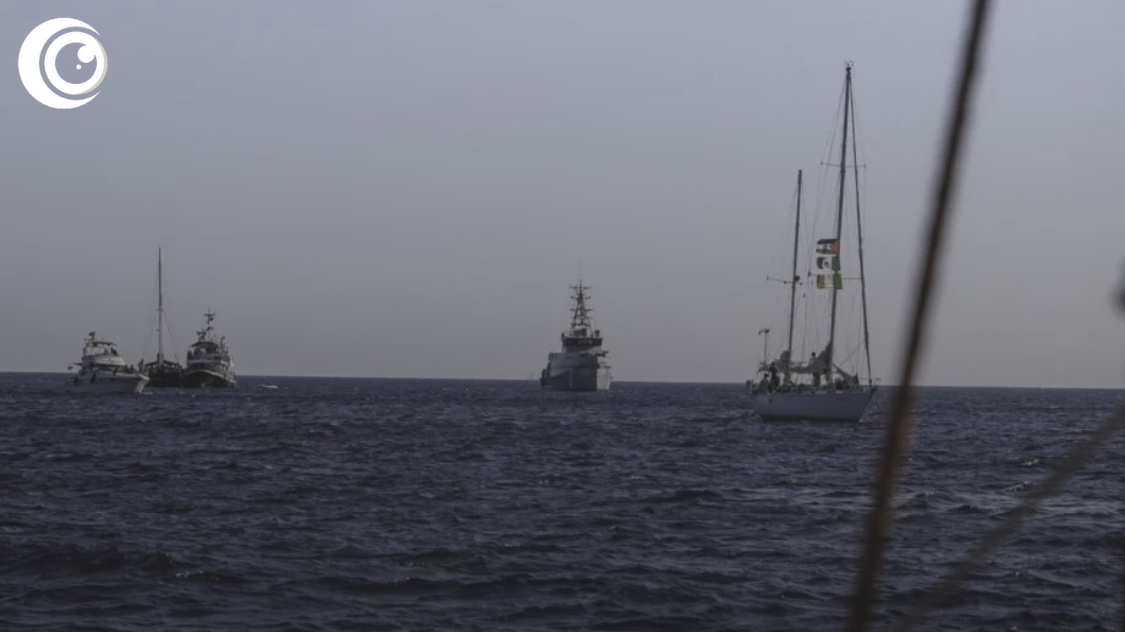
Catania, Italy – The International Committee for Breaking the Siege on Gaza, in cooperation with the Freedom Flotilla Coalition, launched ten civilian ships on Saturday from the Sicilian port of San Giovanni Li Cuti, carrying nearly 70 activists and nine elected parliamentarians from Europe and the United States. The mission, unprecedented in its scale, aims to break Israel’s naval blockade on Gaza, a blockade that international law experts and UN investigators have long described as collective punishment and a form of genocide.
The departure comes as Israel’s war on Gaza nears its second year. According to UN investigators, almost 66,000 Palestinians have been killed since October 2023, many of them women and children, while survivors endure famine-like conditions under what humanitarian groups describe as deliberate starvation tactics. Activists on board said their mission seeks not only to deliver aid but also to confront the silence and complicity of world powers that continue to shield Israel from accountability while providing weapons to fuel its campaign.
The flotilla follows a 15-year legacy of attempts to defy Israel’s blockade, including the Madleen, Handala, and the Global Sumud Flotilla, many of which were violently intercepted in international waters. Israel has repeatedly seized boats, deported activists, and used lethal force, most notably in the 2010 Mavi Marmara massacre. Critics have described such actions as state piracy, in open violation of maritime law.
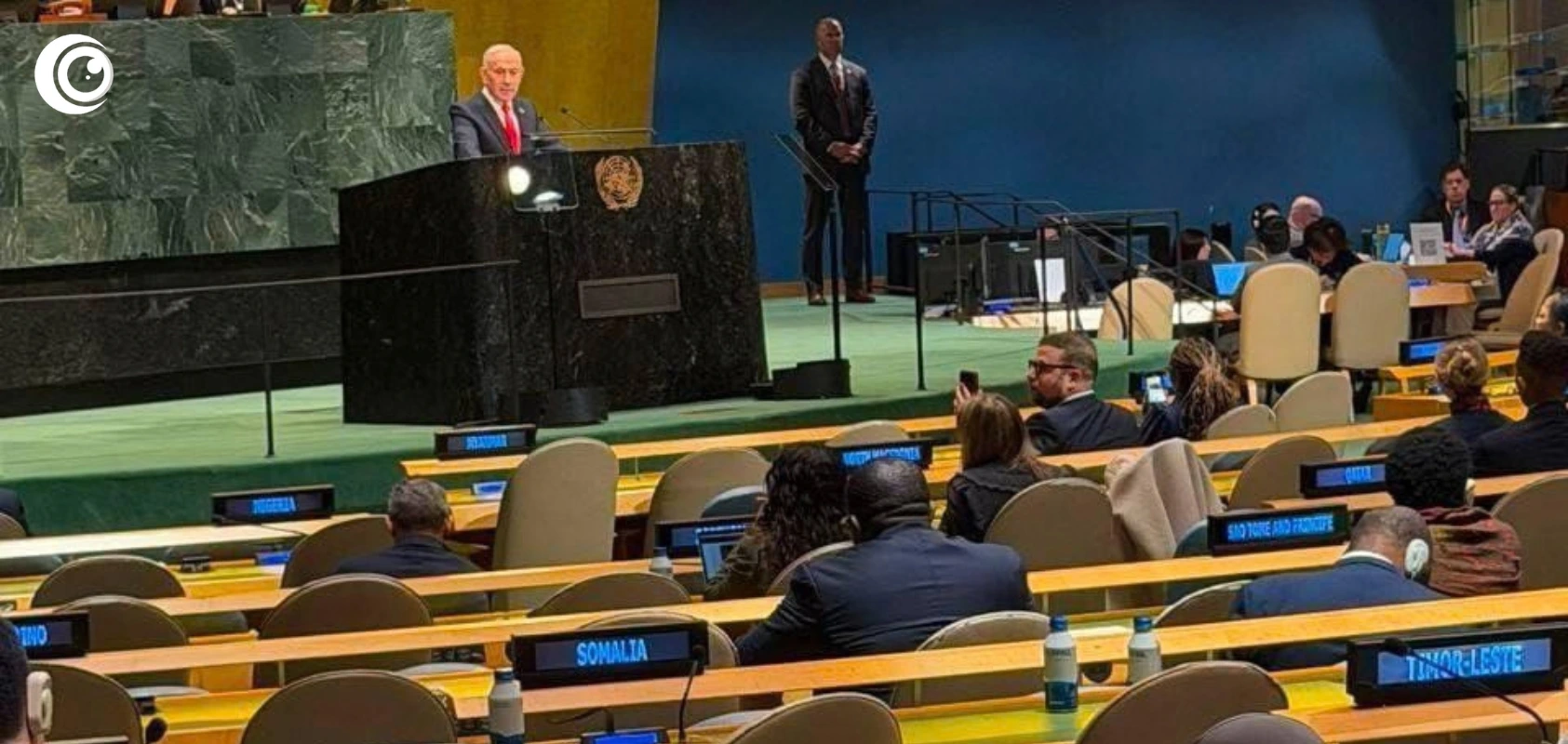
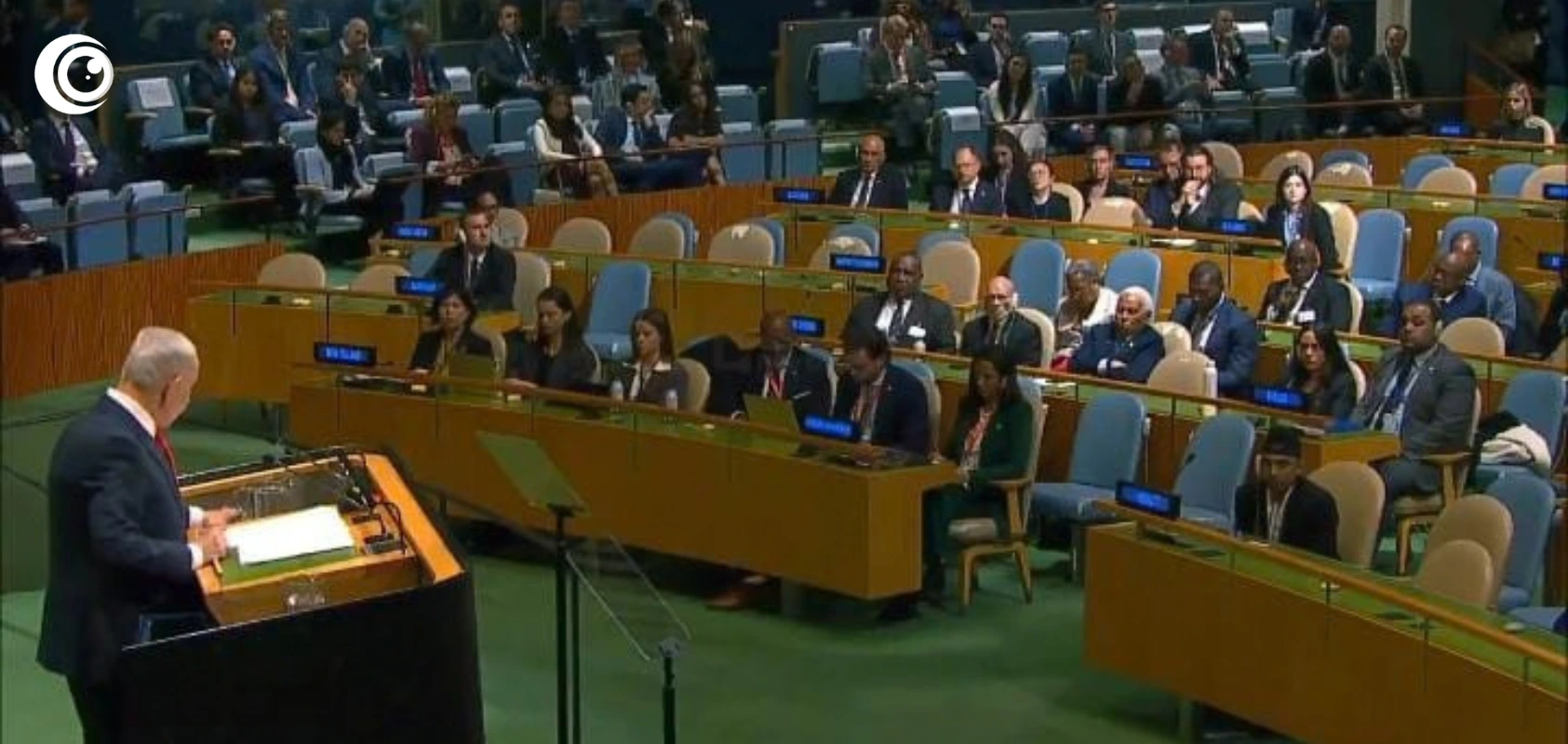
Strategically, this latest wave underscores the growing disconnect between civil society and governments. While ordinary people risk their lives to bring aid, states that claim to uphold human rights instead arm the occupation. The United States remains the largest supplier of weapons to Israel, while the United Kingdom provides diplomatic cover at the United Nations, blocking resolutions that would demand a ceasefire or accountability. European states that publicly condemn Israeli bombings simultaneously allow arms shipments through their ports, with notable exceptions such as Italian dockworkers who recently refused to load Israeli-bound weapons in solidarity with Gaza.
Humanitarian concerns remain at the core. Israel’s bombardment has destroyed hospitals, schools, and residential areas, forcing over two million Gazans into displacement. Journalists and medical workers have been systematically targeted, violating both international conventions and Islamic principles that forbid the killing of non-combatants, the destruction of sanctuaries, and the deliberate withholding of food and medicine from civilians. From an Islamic perspective, the starvation of children and the desecration of holy spaces stand as among the gravest violations, yet Muslim-majority states such as Egypt, Saudi Arabia, and the UAE maintain or even deepen ties with Tel Aviv. Their normalization and trade with Israel are viewed by many scholars as a betrayal of their religious obligation to defend the oppressed and resist aggression.
Global reactions remain mixed. Pro-Palestinian activists across Europe and Asia have hailed the flotilla as a test of conscience, while Arab regimes continue to maintain silence or issue empty statements. Zaher Birawi, chairman of the Freedom Flotilla Coalition, stressed that the campaign “will not stop until it achieves its noble humanitarian goals,” despite what he called “hysterical Israeli threats” against activists and their supporters worldwide.
As of now, the flotilla sails toward uncertain waters. Israel has vowed to block its passage, raising fears of another violent interception. Yet the symbolism of the mission is clear: ordinary citizens, including elected representatives, are taking action where governments have failed. The confrontation is not just maritime it is moral, exposing the divide between those who profit from genocide and those who resist it.
The coming days will determine whether these vessels reach Gaza or are stopped like so many before them. What is certain, however, is that history will record who stood with justice and who enabled oppression whether through bombs, vetoes, or silence.