



A 2025 report by Oil Change International identifies Azerbaijan and Kazakhstan as the primary suppliers of the oil that fueled Israel’s military operations throughout the Gaza genocide. The analysis shows that complex transit routes allowed shipments to appear Turkish or Russian in origin, masking the true sources of Israel’s energy supply.
Since 2023, Israel’s assault on Gaza has resulted in mass civilian casualties, widespread destruction, famine conditions, and international accusations of genocide. While global attention focused on the humanitarian catastrophe, little scrutiny was given to the energy networks enabling Israel’s war machinery, which relies heavily on imported oil.
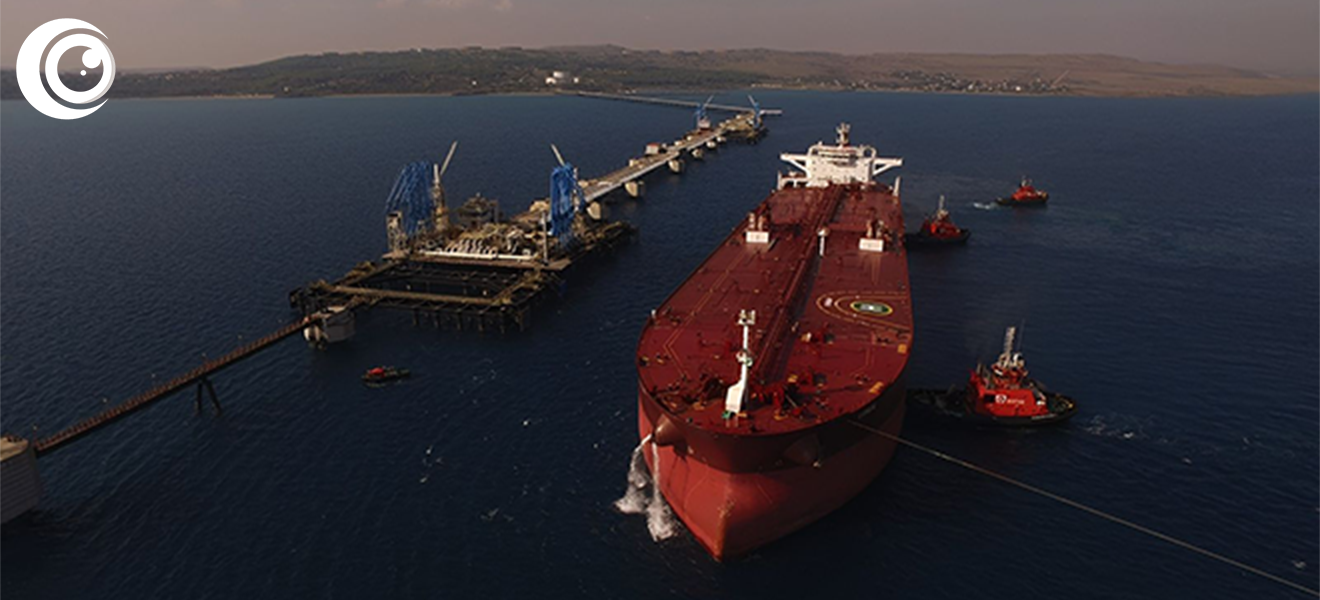
A new report shows that much of the oil reaching Israel has been obscured through transit routes that mask its true origin. Azerbaijan supplied a significant portion of Israel’s crude through the Baku-Tbilisi-Ceyhan (BTC) pipeline, with the oil being transferred at Türkiye’s Ceyhan port onto tankers causing shipping data to label the cargo as “Turkish” despite its Azerbaijani origin. Similarly, Kazakhstan’s crude traveled via the Caspian Pipeline Consortium (CPC) to Russia’s Black Sea port of Novorossiysk, where the logistics caused exports to appear “Russian-origin” even though the oil itself was Kazakh.
These disguised flows allowed Israel to maintain stable fuel supplies while avoiding political scrutiny of its energy partners.
The report highlights how global energy pipelines indirectly support Israel’s military capacity, raising diplomatic questions for Türkiye, Russia, Azerbaijan, Kazakhstan, and international regulators. The findings may complicate geopolitical alliances, especially as several of these countries publicly condemn civilian casualties while their energy exports continue flowing to Israel.
Human-rights advocates and Palestinian organizations have condemned the findings, calling for accountability and immediate suspension of energy exports to Israel. Some political figures in Türkiye and Kazakhstan have demanded transparency regarding their countries’ indirect role in sustaining Israel’s military campaign. International watchdogs are urging states to investigate whether energy transfers violated humanitarian or sanctions frameworks.
As the report gains global attention, pressure is mounting on Azerbaijan and Kazakhstan to explain their continued supply of crude oil used during Israel’s Gaza offensive. Activists expect growing calls for embargoes, independent investigations, and reforms in global energy tracking systems. Whether governments respond or maintain silence will determine if these supply routes persist or if accountability finally reaches the energy networks behind the war.