
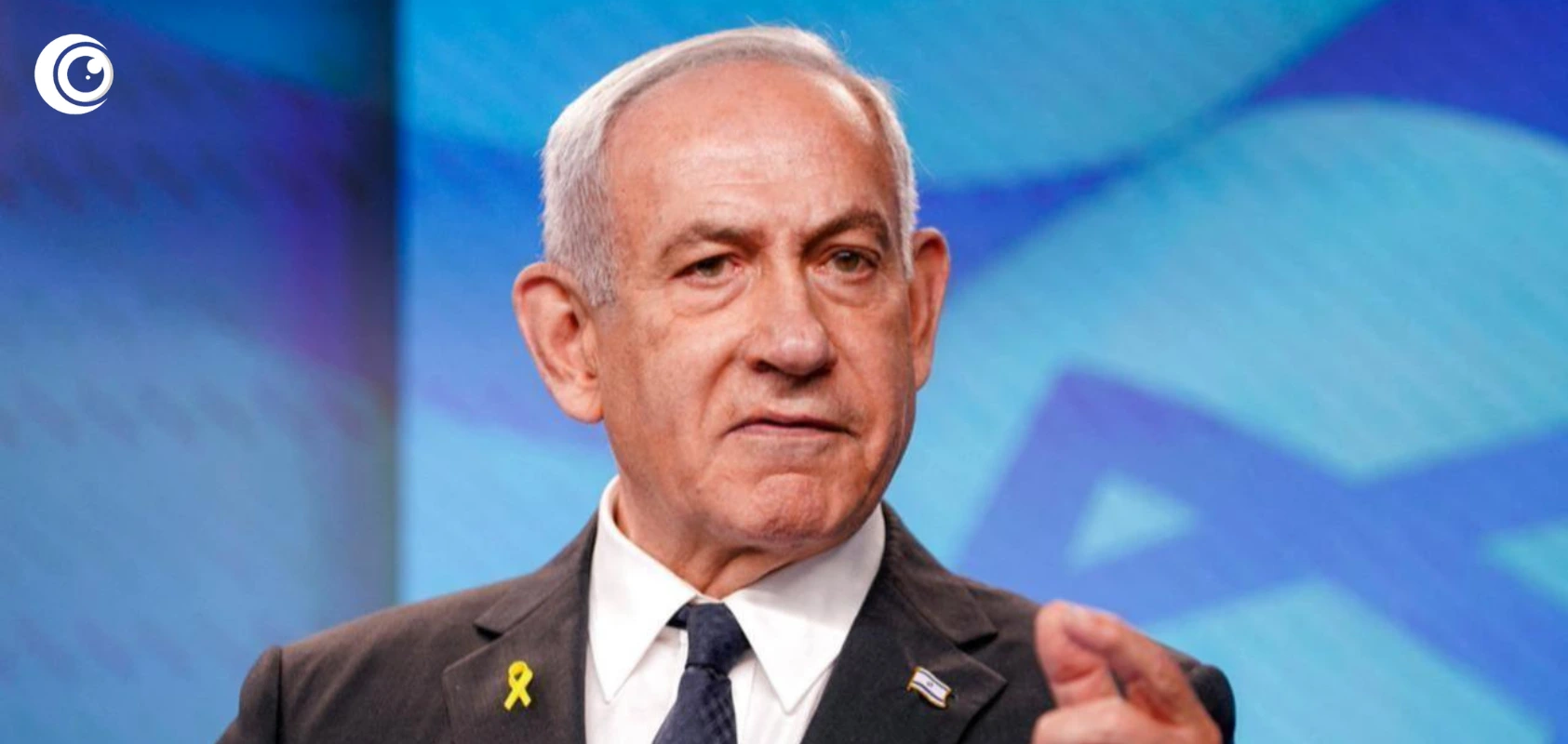

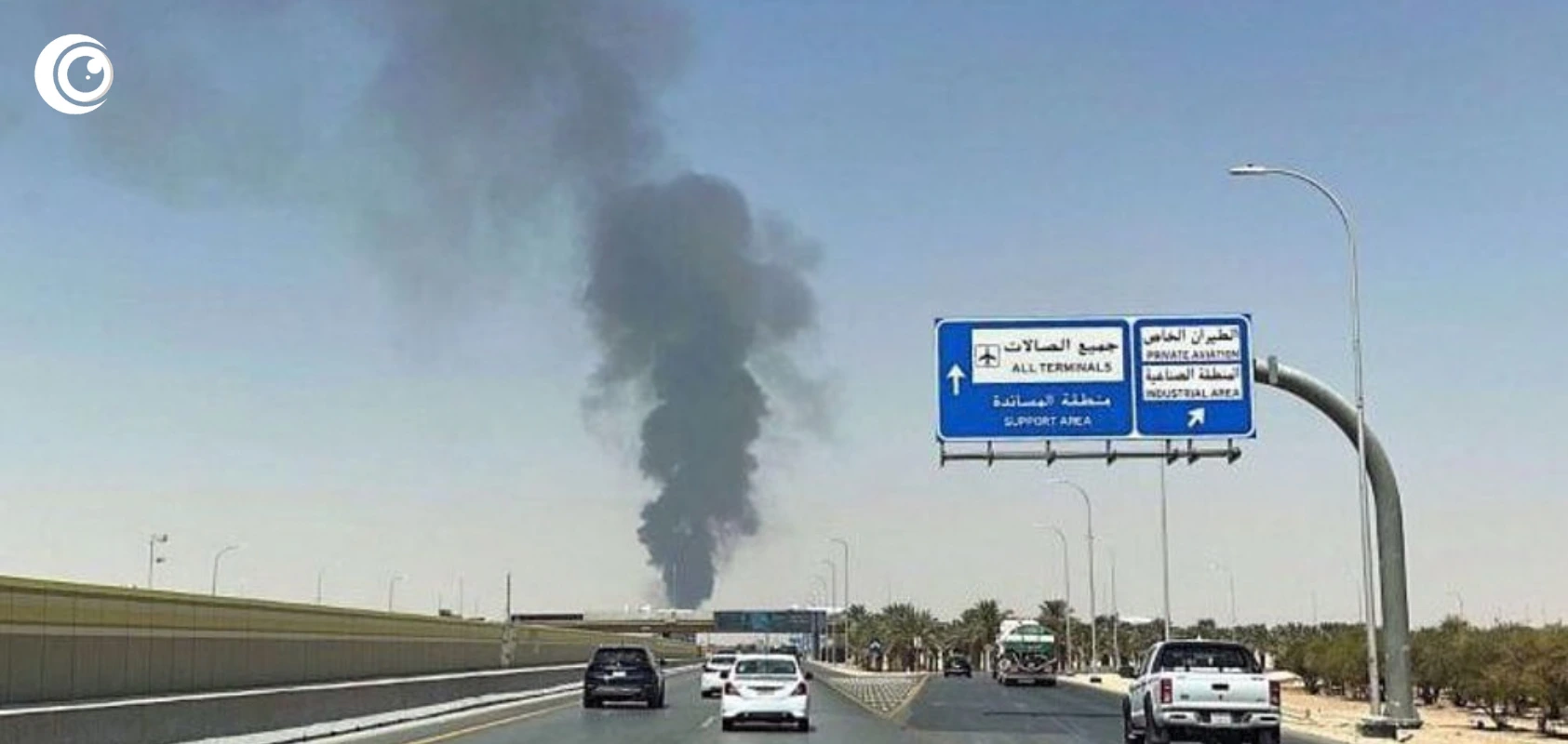
Israeli Prime Minister Benjamin Netanyahu, wanted by the International Criminal Court over war crimes and crimes against humanity in Gaza, has condemned the reported attack on King Khalid International Airport in Riyadh, Saudi Arabia, calling it a “horrific terrorist attack” and expressing condolences to the victims’ families.
In a statement released on Sunday, October 11, Netanyahu said the attack, which reportedly killed 12 people and injured hundreds, demonstrated the need for regional unity against terrorism. He called for a region that protects civilians and works towards security, cooperation and prosperity.
However, Netanyahu’s condemnation comes as Palestinians continue to endure the devastating consequences of Israel’s military campaign in Gaza, including mass killings, forced displacement and widespread destruction of homes and essential infrastructure. His remarks have renewed criticism of the double standards surrounding civilian protection, with opponents questioning how the Israeli prime minister can invoke the protection of innocent lives while Palestinian civilians continue to suffer.
In November 2024, the International Criminal Court issued arrest warrants for Netanyahu over alleged crimes against humanity and war crimes, including the alleged war crime of starvation as a method of warfare. The warrants remain in force, although they are not criminal convictions.
Separately, South Africa’s genocide case against the Israeli entity remains before the International Court of Justice. The court has issued provisional measures in the case but has not yet delivered a final judgment on the merits.
Netanyahu’s statement also comes amid reports of indirect security contacts between Saudi Arabia and the Israeli entity. A September report by Al-Monitor alleged that Netanyahu had sought to use shared concerns over Yemen’s AnsarAllah to advance security cooperation and normalisation with Riyadh. The report does not establish that Saudi Arabia coordinated with Israel over the Riyadh airport incident.
Saudi Arabia has publicly tied normalisation with the Israeli entity to progress towards Palestinian statehood. Any expansion of security engagement without meaningful progress on Palestinian rights could intensify scrutiny of Riyadh’s regional policy.
Netanyahu’s condemnation of the Riyadh attack has therefore brought renewed attention to the question of whether civilian protection is being applied consistently across West Asia, particularly while Palestinians continue to face the devastating effects of Israel’s military campaign in Gaza.