

The United States has lost or sustained damage to at least 81 aircraft during its military campaign against Iran, with the cost of replacing them estimated at up to $3.3 billion, according to a Congressional Research Service report. The figures raise questions about the costs of Washington’s decision to enter another conflict in West Asia and the wider consequences of its military intervention.
The report covers US operations launched on February 28, 2026, under the name Operation Epic Fury. It includes both destroyed and damaged aircraft, meaning the 81 aircraft were not all total losses. The Congressional Budget Office estimated replacement costs at between $1.9 billion and $3.3 billion, depending on how the US military replaces the equipment.
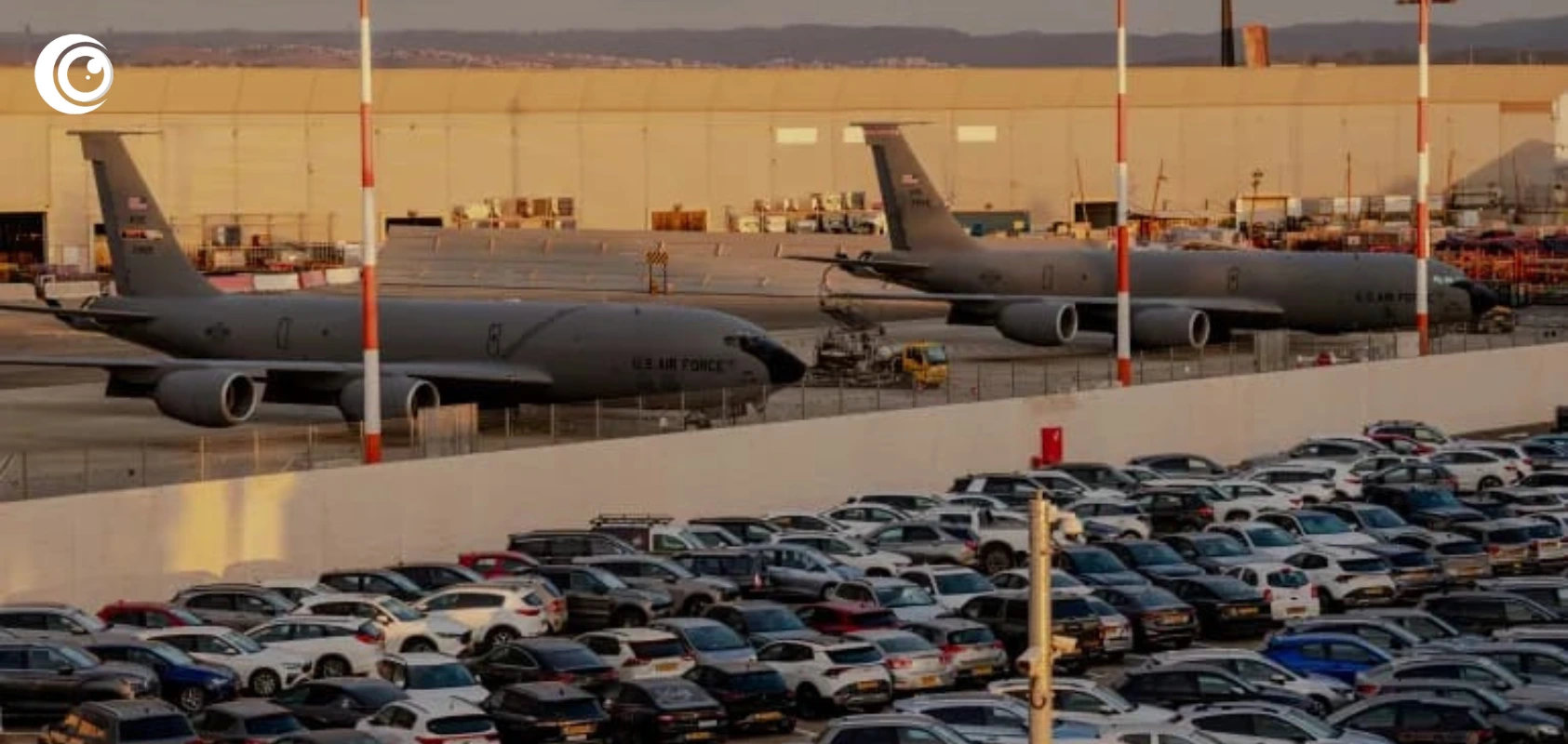
Among the aircraft listed are 12 F-15E Strike Eagles, one F-35A, seven KC-135 refuelling tankers and 45 MQ-9 Reaper drones. These are not minor assets: they represent expensive military equipment, operational capacity and years of investment in the US armed forces.
The scale of the losses presents a difficult question for Washington: what strategic gains justify the financial and military costs of another overseas campaign? Even when a country possesses the world’s most heavily funded military, advanced aircraft and vast defence resources do not guarantee that intervention will proceed according to plan.
The episode also revives a longstanding criticism of US foreign policy: Washington repeatedly uses military power to shape conflicts beyond its borders, yet such interventions can produce prolonged instability, mounting costs and consequences that are difficult to control. Critics argue that the destruction of military assets is only one measure of the price; the wider toll includes regional insecurity, pressure on public finances and the risk of further escalation.
The reported aircraft losses do not, by themselves, establish that the entire campaign has failed. That assessment depends on its stated objectives, the military results achieved and the longer term consequences. However, the figures demonstrate that even a vastly resourced military can incur substantial losses when it becomes directly involved in a major regional conflict.
For the United States, the central question is not simply how much equipment can be replaced. It is whether repeated reliance on military intervention delivers lasting security or leaves Washington paying billions for conflicts whose consequences extend far beyond the battlefield.