



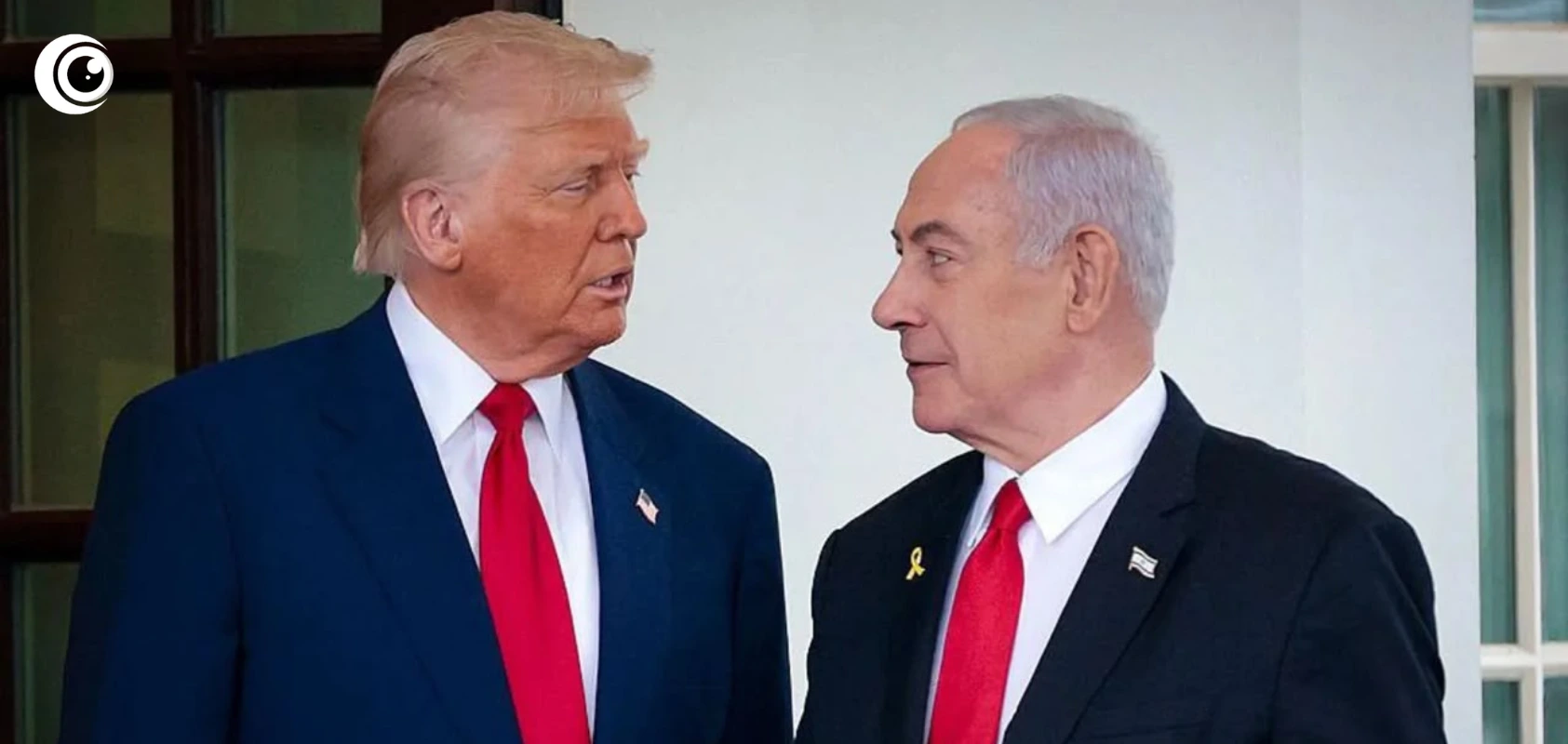

Israeli Prime Minister Benjamin Netanyahu’s entry into the UN-mandated buffer zone in southern Syria marks one of the most direct violations of the 1974 Disengagement Agreement in recent years. By visiting an area where neither Israeli nor Syrian leadership is permitted, the Israeli government signaled a continued willingness to operate beyond established international restrictions.
The United Nations condemned the visit, describing it as a breach of Syrian sovereignty and a clear contravention of the agreement governing activity in the zone. However, reactions from major Western capitals remained limited. The United States and the United Kingdom, traditionally supportive of Israel’s security posture, issued no substantial criticism, prompting renewed concerns about inconsistent applications of international law.
HTS authorities in Syria and their UN representative, Ibrahim Olabi, denounced the visit as illegal and “null and void” under international law, noting that Israel has previously conducted more than 1,000 strikes across Syrian territory. Their response, however, contrasted sharply with the current Syrian government’s muted stance, as Damascus continued to avoid direct engagement with the issue while focusing on internal political arrangements.
The development coincides with reports of direct communication between Israel and HTS, raising questions about shifts in the political landscape of the region. Analysts suggest that limited pushback from armed groups and the weakened state of Syrian governance may have contributed to Israel’s increased operational confidence in southern Syria.
Beyond the political implications, the visit is seen as part of a broader pattern of regional tensions involving sovereignty, security agreements, and humanitarian concerns. Actions that undermine internationally recognized borders or long-standing treaties carry significant legal ramifications and affect civilian stability, particularly in areas already impacted by prolonged conflict.
At present, Netanyahu’s visit highlights an ongoing regional challenge: the capacity of a powerful state to act without substantial consequence, the limited response from Western governments, and the continued absence of a clear defensive position from regional actors, including the Syrian state. Observers warn that without effective international or regional intervention, conditions in southern Syria may further solidify an environment in which treaty violations become normalized.