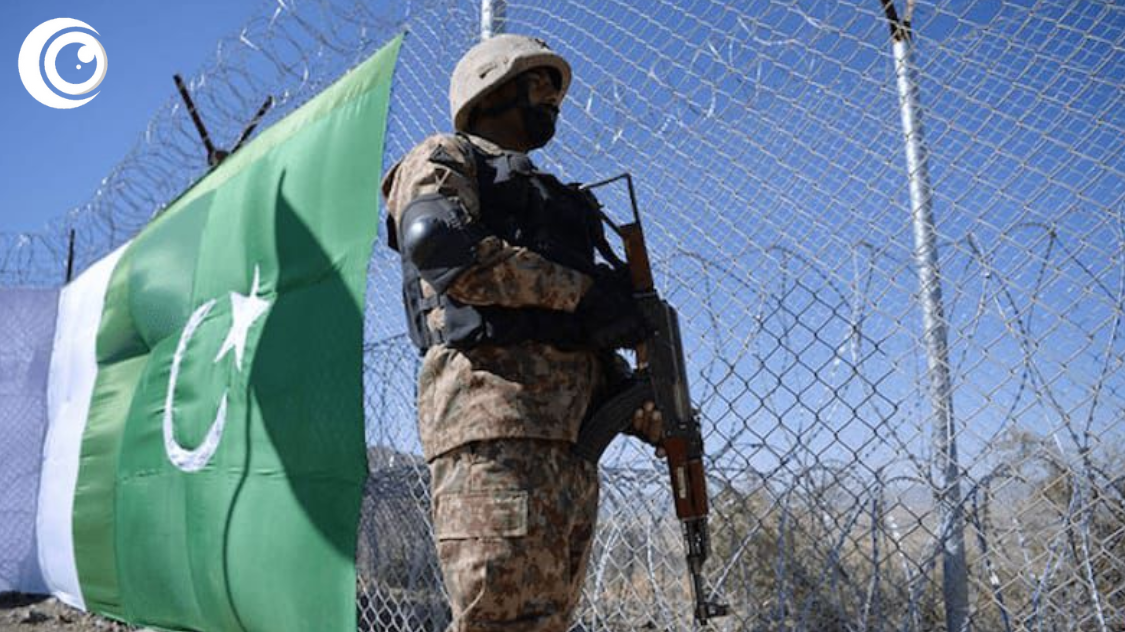
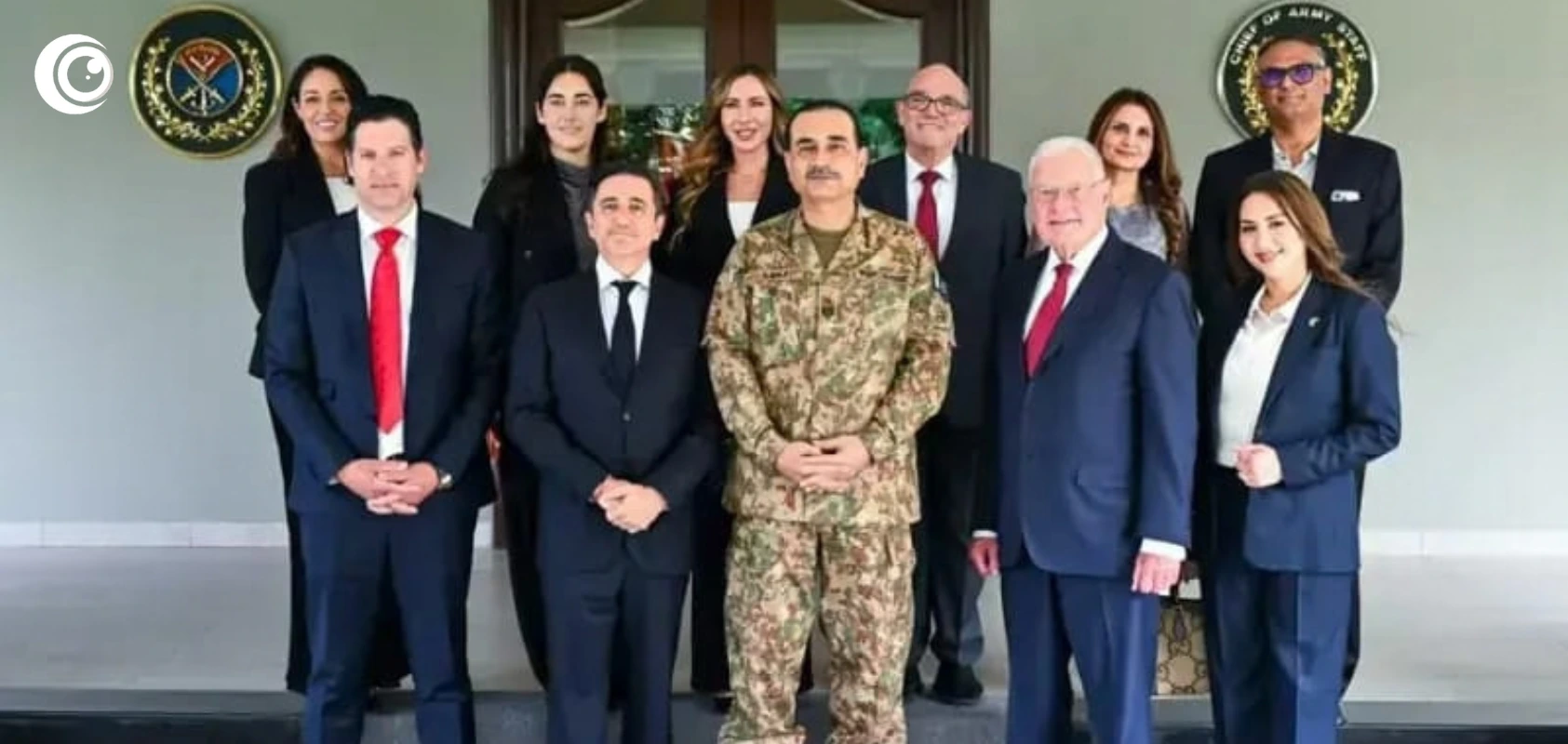
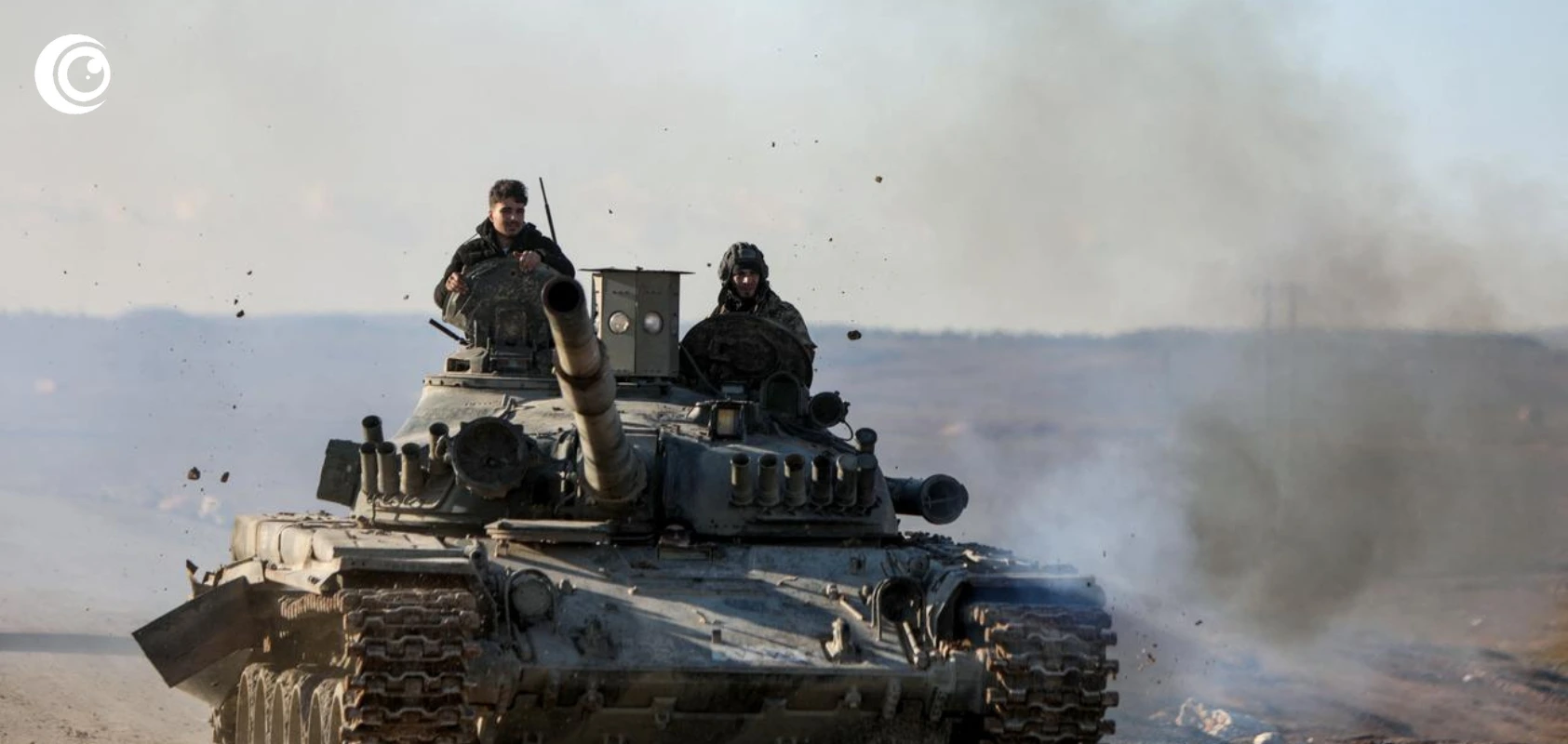
In the early hours of October 9, 2025, Pakistan conducted cross border airstrikes over Kabul and eastern Paktika Province, claiming the strikes targeted Tehrik-e-Taliban Pakistan (TTP) hideouts and affiliates. The attack, said by Islamabad to be part of a sustained campaign against militants operating from Afghan territory, has sharply escalated tensions between Pakistan and the Afghan government. Pakistan has long accused elements of the Afghan Taliban government of permitting TTP factions and allied militant groups to use Afghan soil as sanctuaries to launch attacks inside Pakistan. In recent years, Islamabad has claimed multiple cross border operations to neutralize those threats. Tensions have been fueled by repeated militant attacks within Pakistan such as the October 7 ambush on a military convoy that killed 11 Pakistani soldiers prompting calls from Pakistani authorities for decisive action. According to Afghan officials, blasts were heard near Abdul Haq Square in Kabul late Thursday, close to government buildings and intelligence offices, triggering seizures of the site and emergency lockdowns. The Afghan Defense Ministry formally accused Pakistan of violating national airspace and conducting the strikes. Islamabad, through military spokesmen, has neither fully confirmed nor denied the specific operation but justified it as targeting militant hideouts across the border. Pakistani officials have asserted that Afghanistan is being used as a base of operations against Pakistan, insisting that measures to defend Pakistani lives will proceed. The identity of precise targets some media suggest striking near the residence or convoy of TTP chief Noor Wali Mehsud remains unverified. By carrying out kinetic operations deep into Afghan controlled territory, Pakistan signals a posture of unilateral enforcement rather than purely diplomatic or cooperative engagement. This risks provoking diplomatic retaliation from Kabul and could draw in regional and external actors. The timing also coincides with increased Afghanistan-India engagement, which Islamabad may perceive as strategic encroachment. The strikes add strain to already fragile Pakistan-Afghanistan relations, and may encourage reciprocal cross border reprisals, potentially widening conflict dynamics in South Asia. Air operations near dense urban areas carry a high risk of civilian casualties, displacement, and damage to infrastructure. Afghan authorities and observers may view the strikes as violations of sovereignty and international law, particularly if civilian harm occurs. Even when militants are the intended targets, nearby communities often bear the cost, fueling local resentment. From an Islamic ethical standpoint and humanitarian law, striking in populated zones without strict safeguards undermines the protection owed to noncombatants. The Afghan Taliban government condemned the strikes as provocative acts that violate Afghanistan’s sovereignty, pledging consequences if such operations continue. Former Afghan President Hamid Karzai termed the strikes a violation of international law, calling on Pakistan to reconsider such harmful policies and engage through diplomatic channels. The Pakistani military has justified its posture by citing the necessity to prevent further militant incursions and protect Pakistani citizens. Meanwhile, regional and international observers are likely to scrutinize the legality and proportionality of the strikes. As of now, the full impact whether in terms of casualties, militant disruption, or diplomatic fallout remains unclear. What is clear is that this escalation marks a turning point: Pakistan has visibly shifted toward more aggressive cross border tactics in the name of counterterrorism. The coming days may see retaliation, formal diplomatic protests, calls for international mediation, and demands for accountability regarding any harm to civilians. Observers will watch whether Islamabad can manage escalation, whether Kabul responds militarily or diplomatically, and whether regional powers intervene to de escalate or exploit the tensions.






One Response
After the Pahalgam attack, when India blamed Pakistan, Islamabad actually offered talks and a joint investigation instead of escalating tensions. This time too, Pakistan should have prioritized diplomacy and dialogue before resorting to strikes. True strength lies not in aggression but in restraint acting with principles protects both our security and our dignity.