
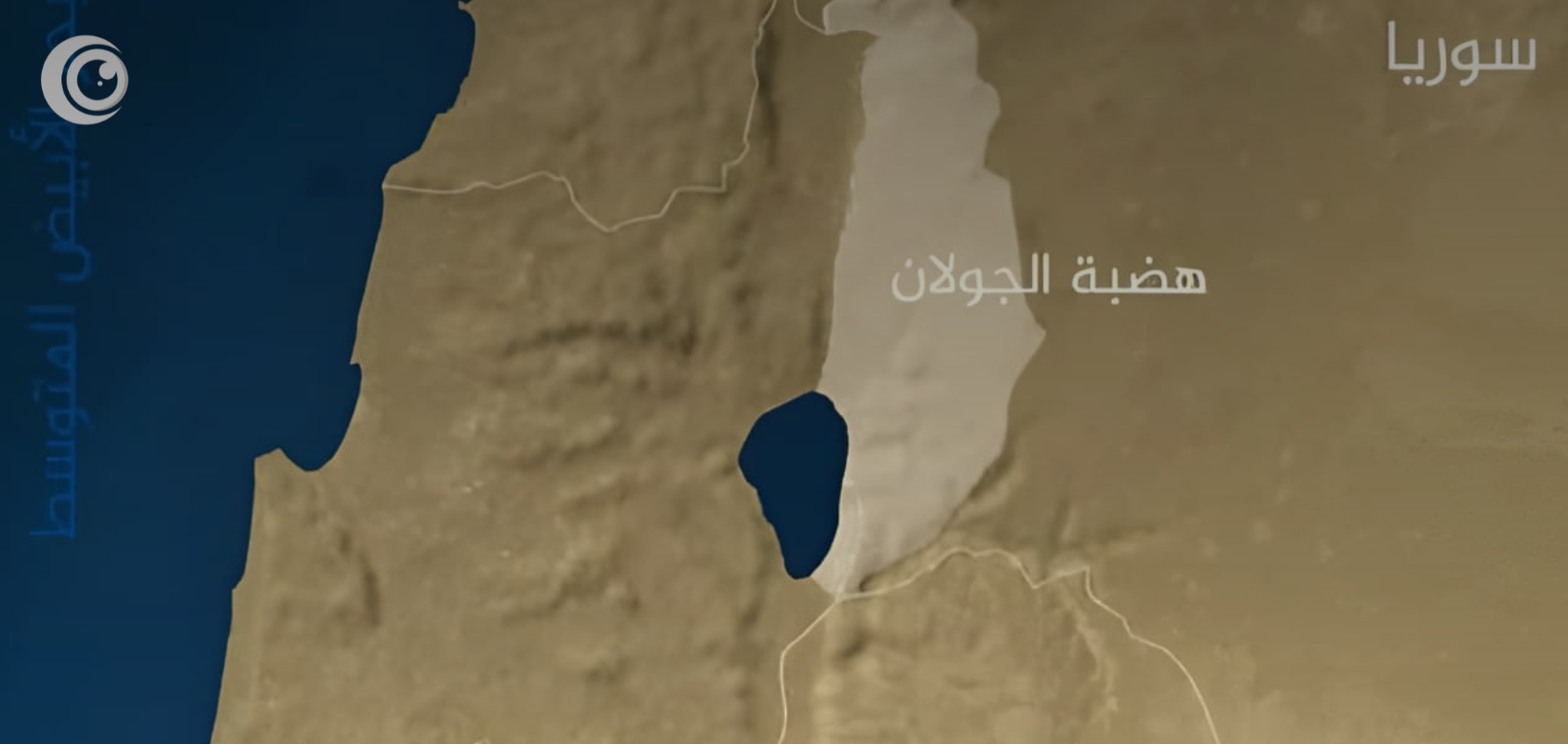

In a significant and controversial move, Syria’s newly formed Ministry of Foreign Affairs has published an official map of the country that does not include the Golan Heights, a territory occupied by Israel since 1967. This marks the first time a Syrian government body has publicly circulated a map omitting the Golan, raising questions about a possible shift in Damascus’s long-standing position on sovereignty and occupation.
The development comes under the leadership of Ahmad al-Sharaa, the self-declared president who assumed power after the overthrow of the Assad government in late 2024. Sharaa, formerly known as Abu Mohammad al-Julani, emerged from years of conflict that were shaped by heavy foreign involvement, including NATO and Gulf-backed efforts to reshape Syria’s political order.
For decades, successive Syrian governments maintained that the Golan Heights remain an inseparable part of Syrian territory, despite Israel’s occupation and later annexation, which has never been recognized by the United Nations. The absence of the Golan from the new official map therefore represents a sharp departure from Syria’s historical stance and has sparked concern among observers and critics.
Since Sharaa’s rise to power, Israeli forces have expanded their presence in parts of southern Syria, occupying additional areas without reported military resistance from the new authorities. Analysts note that this lack of response contrasts sharply with previous rhetoric from Damascus, which consistently framed Israeli control of Syrian land as illegal and unacceptable.
At the same time, the United States has moved to lift long-standing sanctions on Syria, a decision welcomed by the new leadership as a step toward economic recovery. Critics, however, argue that the sanctions relief may be tied to political concessions, including silence or accommodation on issues of territorial integrity and Israeli occupation.
The publication of the map has intensified debate over the direction of Syria’s new government and the cost of its international rehabilitation. Whether the omission signals a temporary gesture or a deeper realignment remains unclear, but it has already cast doubt on the future of Syria’s claims over occupied land and the meaning of sovereignty in the post-war order.