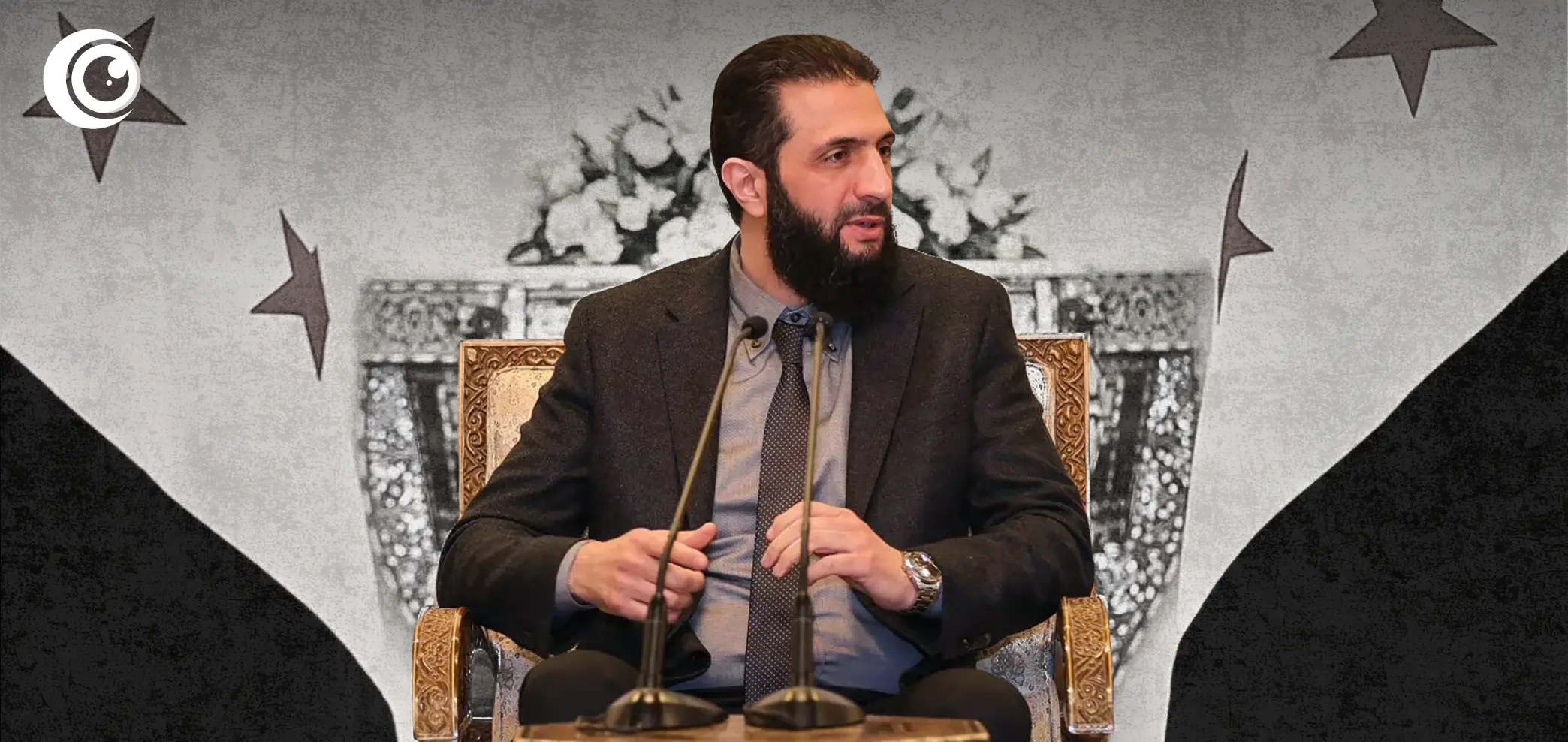
Syria’s new president, Ahmed al-Sharaa, has taken a shockingly contradictory stance that has left both supporters and critics stunned. In a closed-door meeting with Republican Congressman Cory Mills, a known ally of former U.S. President Donald Trump, Sharaa expressed his readiness to normalise ties with Israel and potentially join the Abraham Accords — a controversial U.S.-brokered deal that has seen several Arab states recognise Israel despite decades of Palestinian occupation.
This is not simply a strategic shift; it is a fundamental betrayal of the very narrative that brought Sharaa to power. As a former commander of Hay’at Tahrir al-Sham (HTS), an armed Islamist group that rose against Bashar al-Assad’s regime under the banner of liberation and resistance, Sharaa’s sudden willingness to appease Israel raises deep concerns about the integrity of his leadership. For years, HTS and its affiliates positioned themselves as defenders of Syrian sovereignty, standing firm against both Assad and foreign occupation. Yet today, the man who once led that charge is shaking hands with Washington and preparing to legitimise Israeli control over Syrian soil.
Israeli Prime Minister Benjamin Netanyahu has not only launched repeated airstrikes across Syria, but has also physically occupied portions of the strategic southwestern region. Israeli forces now hold high ground with a view over Damascus — a provocative move that would be intolerable to any true nationalist. Yet instead of demanding withdrawal as a precondition for peace, Sharaa is offering Israel “assurances.” This is not diplomacy. This is capitulation disguised as pragmatism.
The rationale behind this reversal appears obvious: sanctions. The U.S. has maintained a web of crippling economic restrictions on Syria, initially imposed in response to Assad’s brutal crackdown on dissent. Although Assad is now out of power, many of those sanctions remain — including the long-standing designation of Syria as a state sponsor of terrorism. Sharaa is desperate to lift them, and in doing so, he’s willing to barter away Syria’s core principles and regional alliances.
But such desperation does not excuse hypocrisy. Sharaa’s government was supposed to be the beginning of a new, independent Syria — one free from both the iron grip of dictatorship and the coercive influence of foreign occupiers. Yet his new overture to Israel and the United States risks turning Syria into a client state once more, only with a different master.
Even more troubling is the silence — or perhaps quiet approval — of certain regional powers. Oil-rich Gulf states and Turkey, once hesitant to engage with Syria due to Assad’s repression, now eye reconstruction opportunities. The estimated $400 billion needed to rebuild the war-torn nation could potentially flow from these countries, but only if Syria proves itself “investor-friendly” — and that often means bending to U.S. and Israeli interests.
This is a cowardly path. Real leadership means standing firm even under pressure, not selling out your people’s struggle for short-term relief. Sharaa could have used his platform to call for justice, to demand the return of occupied territories, and to reaffirm Syria’s right to defend its borders. Instead, he has chosen to play the diplomat — not to seek peace with honour, but to bargain away resistance in exchange for economic leniency.
If this is the future Syria is heading toward — one in which foreign occupation is legitimised, and decades of resistance are wiped away with a handshake — then the very ideals that fueled the Syrian revolution have been abandoned. Sharaa’s shift isn’t just hypocritical; it’s a dangerous rewriting of the struggle that countless Syrians have died for. And if he continues down this path, he may soon find that the people who once saw him as a liberator will now see him as just another opportunist in a long line of failed leaders.