

The United States has agreed in principle to sell advanced F-35 fighter jets to Saudi Arabia, but only if Riyadh makes clear progress toward normalizing relations with Israel. Washington is framing this as a carefully calculated diplomatic move meant to shift regional alliances and encourage long-term political cooperation in the Middle East.
For decades, Saudi Arabia avoided formal ties with Israel, and the U.S. restricted such advanced arms sales to maintain Israel’s military superiority. Offering Riyadh the F-35 represents a significant policy shift, using high-tech military incentives to push forward the normalization agenda that has stalled for years.
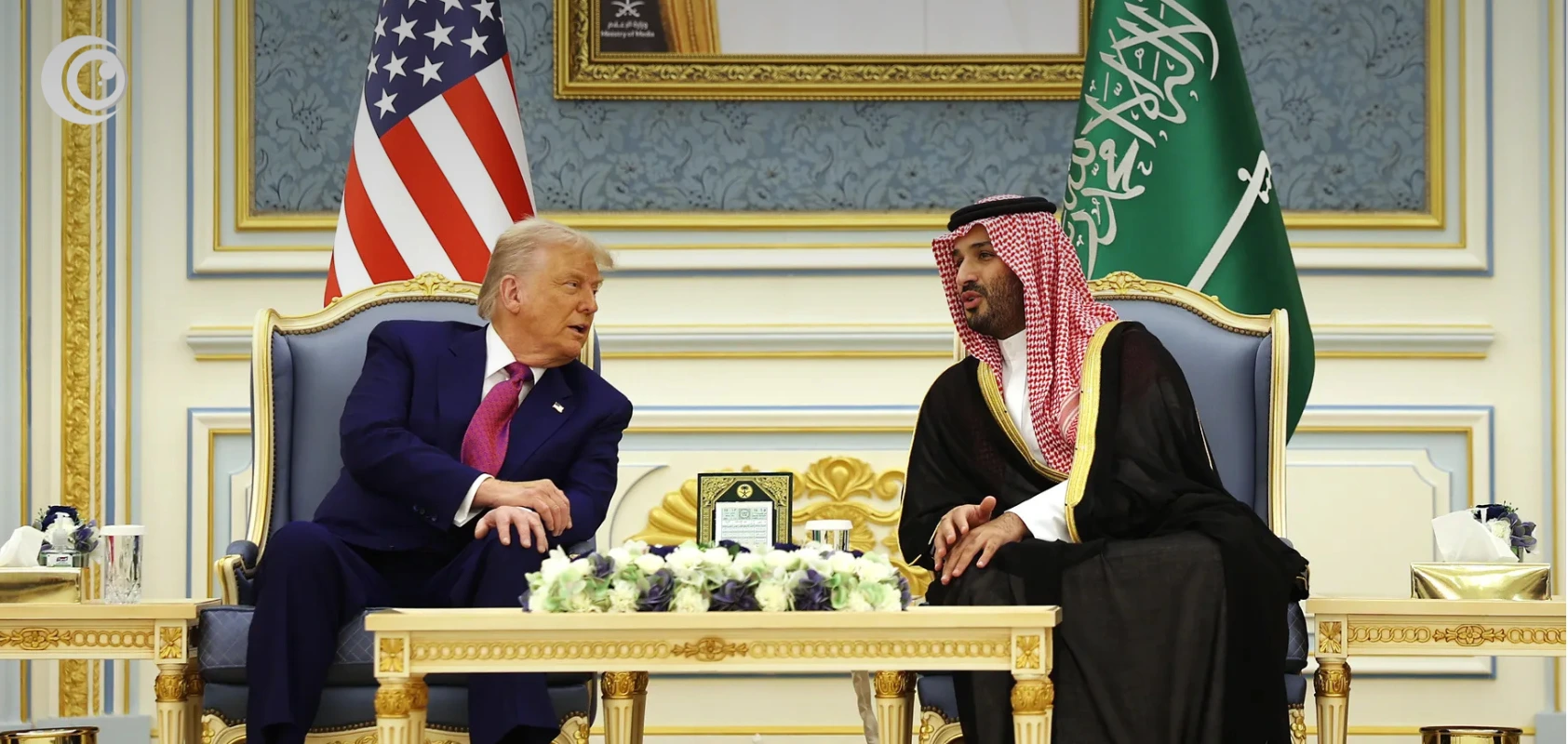
President Joe Biden confirmed the plan after a meeting with Crown Prince Mohammed bin Salman, stressing that the deal is directly linked to political progress. He described it as “a step toward a more stable Middle East” and said, “Deeper regional integration, including between Saudi Arabia and Israel, is the key to long-term peace.” His remarks made it clear the White House sees this as a diplomatic tool, not just an arms deal.
Strategically, the move could make Saudi Arabia the first Arab nation, aside from Israel, to operate fifth-generation stealth fighters. This would shift regional power balances and signal to other Gulf states that closer ties with Israel could bring meaningful security benefits from Washington. At the same time, it strengthens the U.S. position as the main security broker in the region.
Despite these potential gains, humanitarian and legal concerns remain central to the debate. Critics point to Saudi Arabia’s human rights record and its military actions in Yemen, arguing that advanced weapons could enable further abuses. Others note that U.S. law requires preserving Israel’s military edge, raising questions about how Washington will guarantee that once Riyadh possesses F-35s.
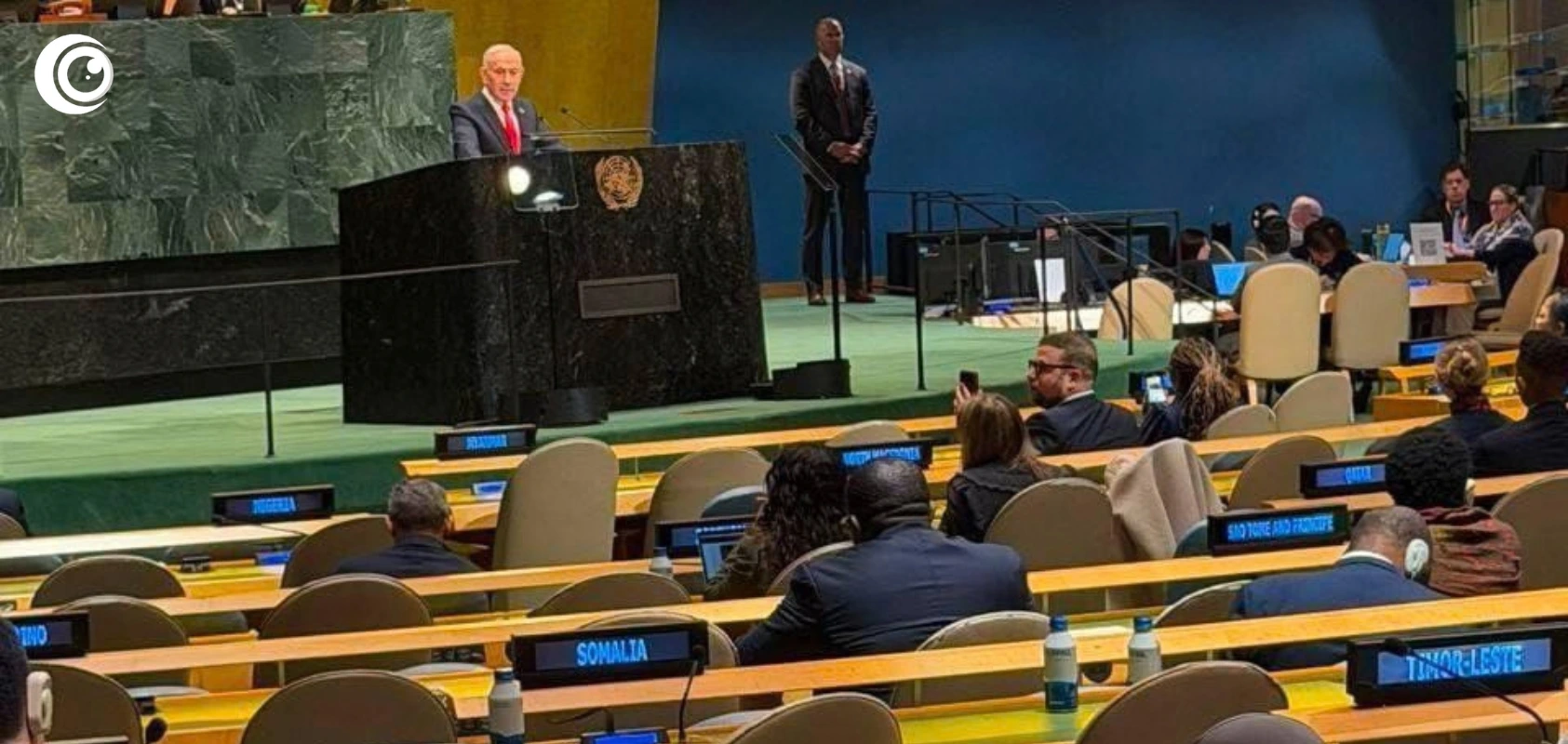
Reactions across the region have been cautious but significant. Israeli officials say they support the deal only if normalization happens first, while Saudi leaders have shown interest but avoided making public commitments. As negotiations continue, the success of this plan ultimately depends on how far Saudi Arabia is willing to go toward formal diplomatic engagement with Israel, a decision that could reshape the region for years to come.