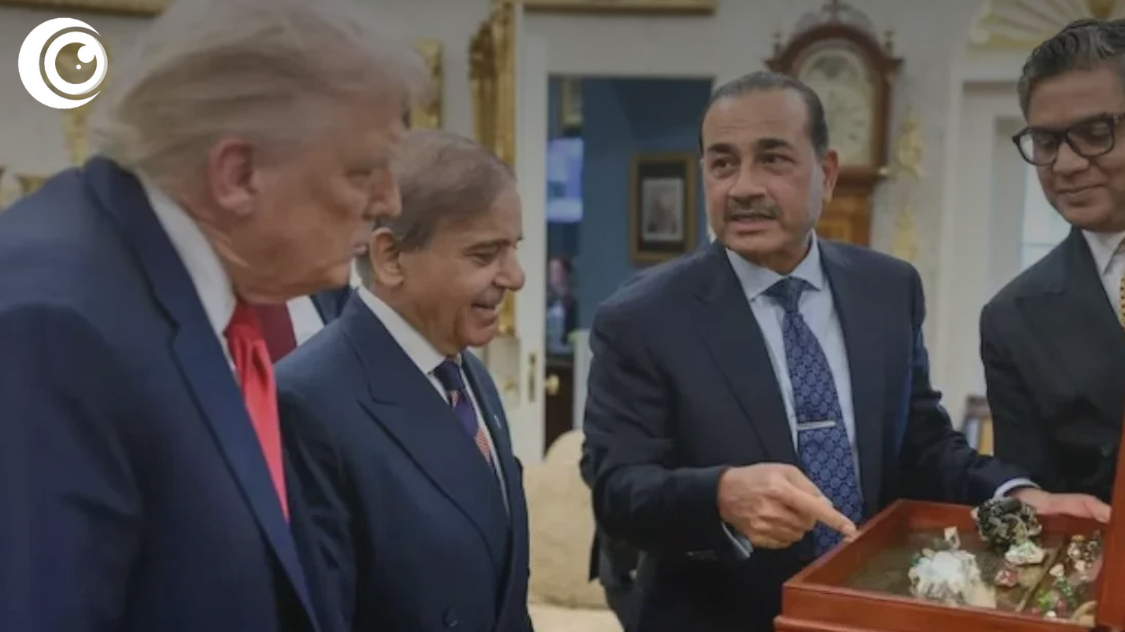
In a development that has sparked quiet outrage among observers and exposed the deepening contradictions within Pakistan’s leadership, advisers to Army Chief Field Marshal Asim Munir have reportedly offered the United States access to Pakistan’s critical mineral wealth weeks after Munir and Prime Minister Shehbaz Sharif’s high profile meeting with former U.S. President Donald Trump in Washington. According to the Financial Times, the plan envisions a U.S.-funded terminal at Pasni, near Gwadar, where American investors would build and operate a new port to serve as a gateway to Pakistan’s vast reserves of lithium, copper, and other critical minerals.
The blueprint, which explicitly excludes any American military base, is being promoted under the banner of “development finance.” But beneath the diplomatic language lies a far more unsettling reality: Pakistan, a nation built on the ideals of self determination and faith, is now quietly auctioning off its strategic resources to the very power whose fingerprints are found across decades of Muslim suffering, from Baghdad to Kabul, and now Gaza.
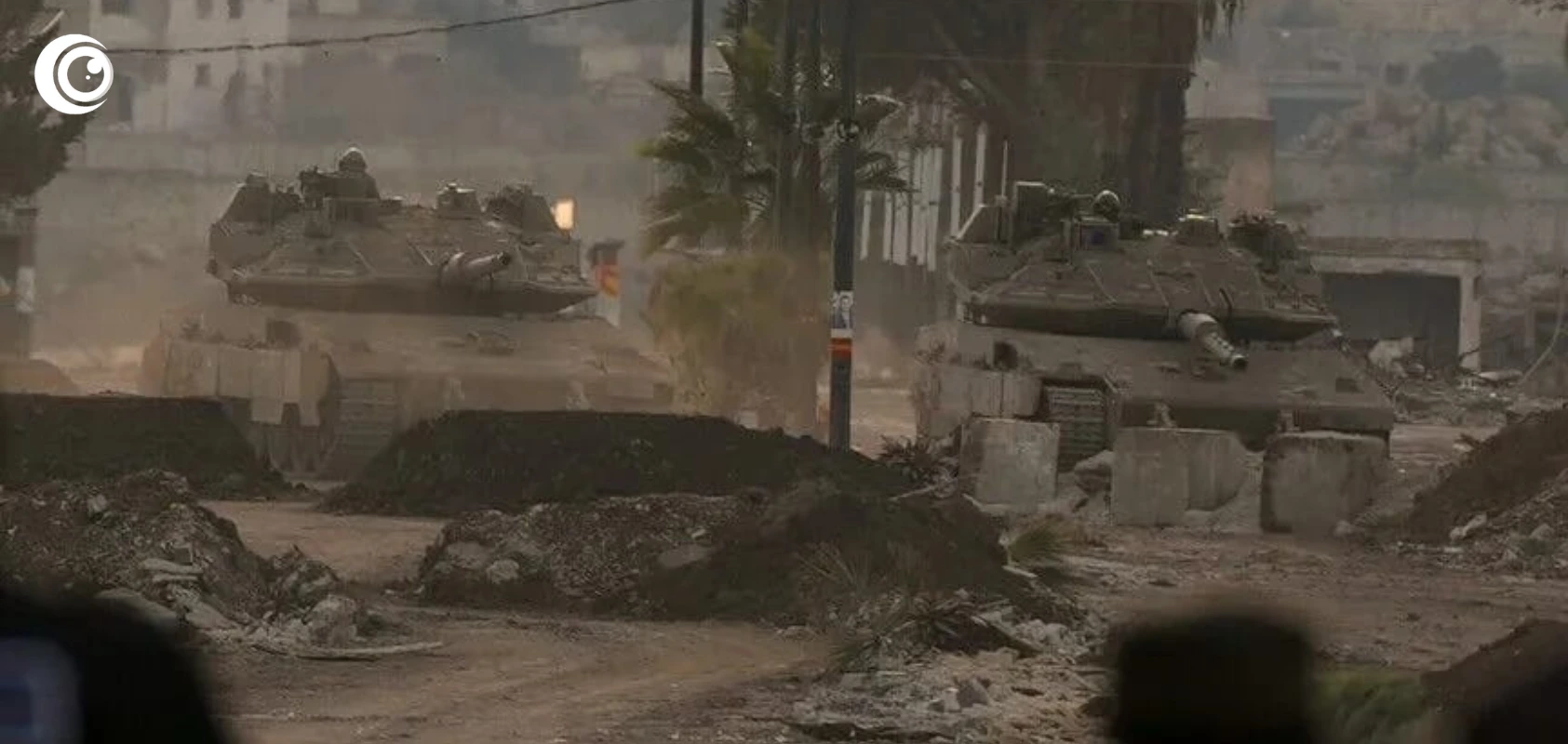
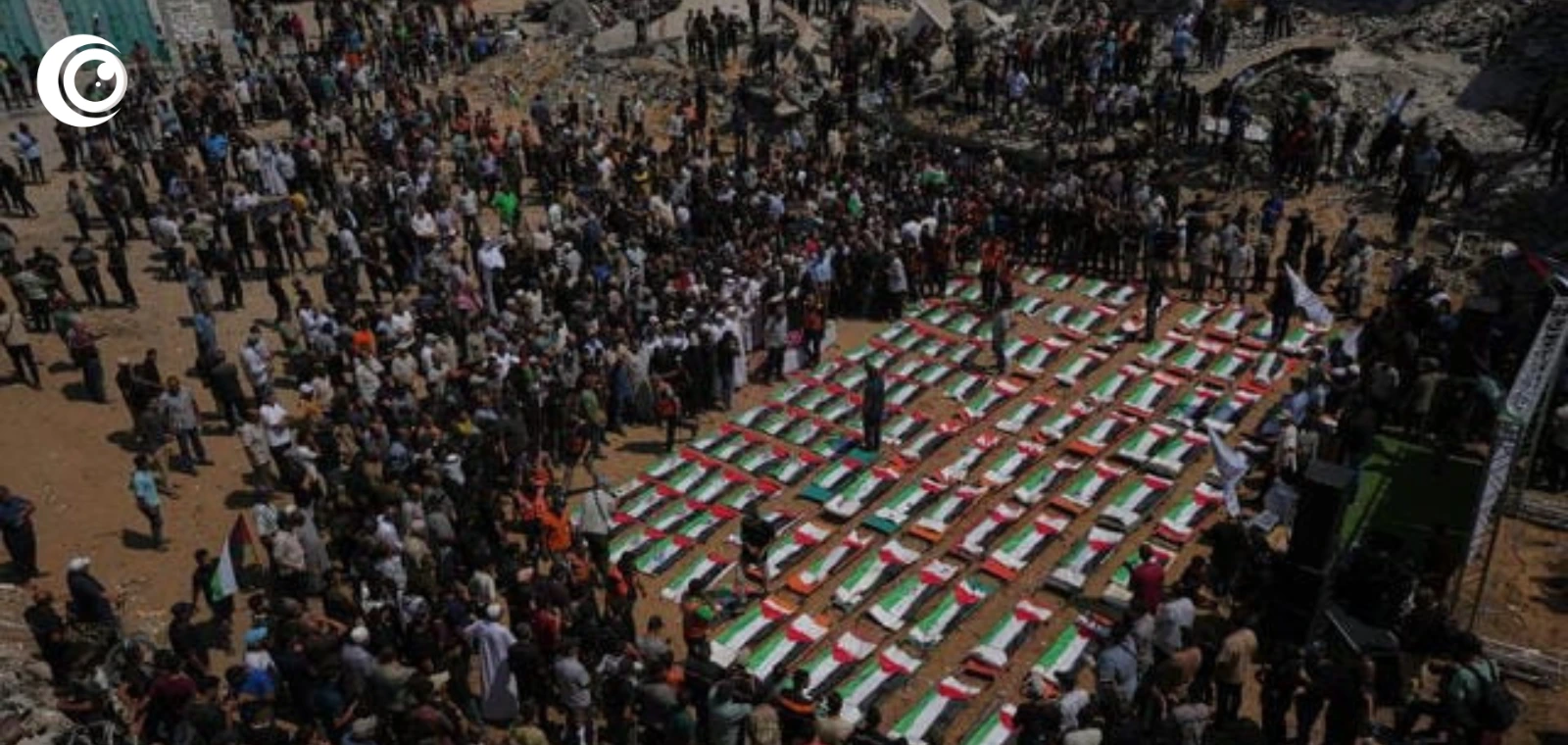
This proposal comes at a time when the Muslim world is reeling from the Israeli assault on Gaza an assault bankrolled, armed, and politically shielded by Washington. Yet, while the Ummah mourns its martyrs, Islamabad seeks partnership with those enabling their deaths. The same corridors that echo with slogans for Palestine are now being used to draft contracts for American profit. It is a hypocrisy too bitter to disguise.
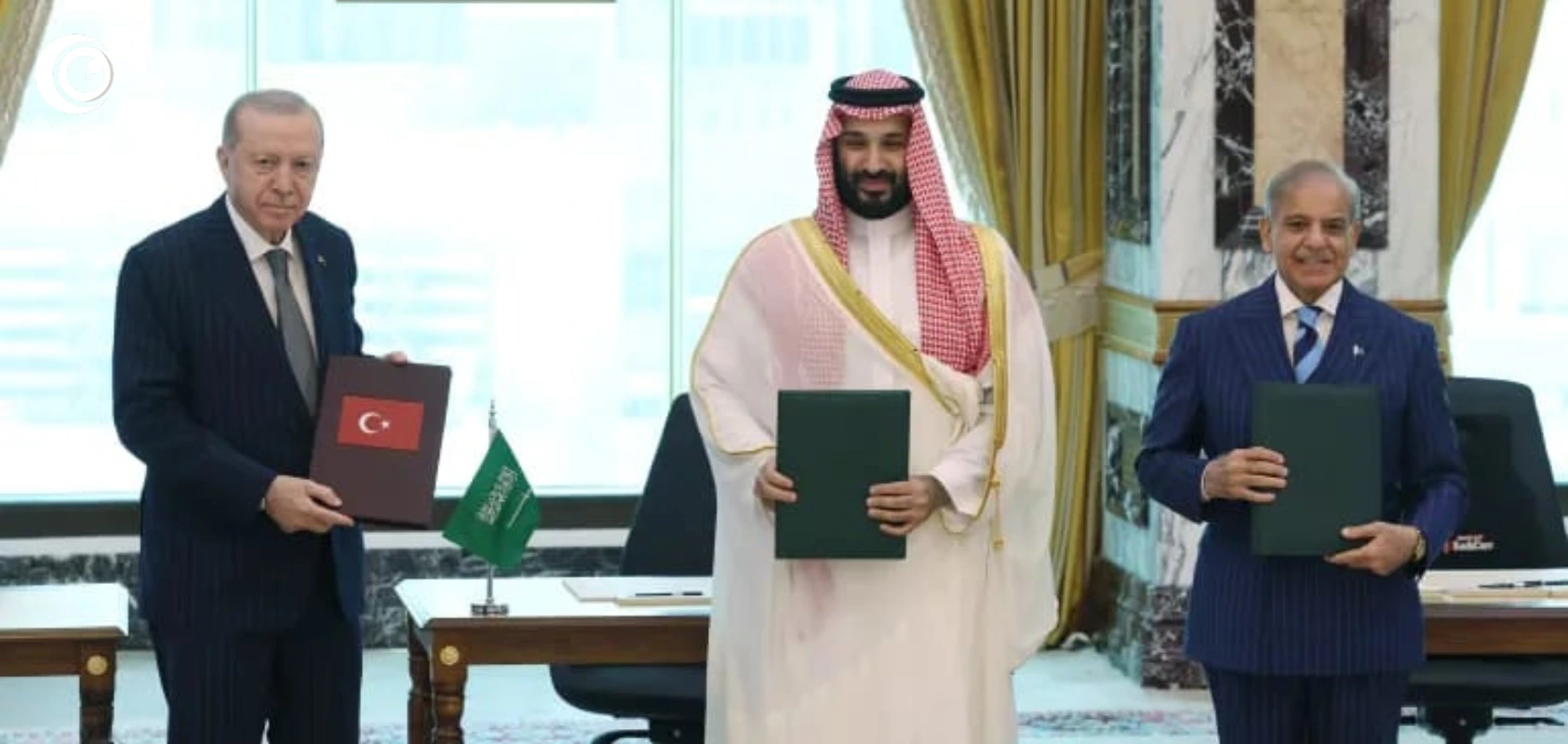
For decades, Pakistan has claimed to stand against Western imperialism, its leaders speaking of sovereignty and sacrifice. But today, those very voices are negotiating terms of extraction, not liberation. The “strategic partnership” being touted as progress is, in truth, the steady erosion of economic independence. Just as CPEC bound Pakistan’s economy to Beijing, this Pasni deal risks chaining it to Washington a nation whose global policies have brought ruin to countless Muslim lands under the banner of “freedom” and “security.”
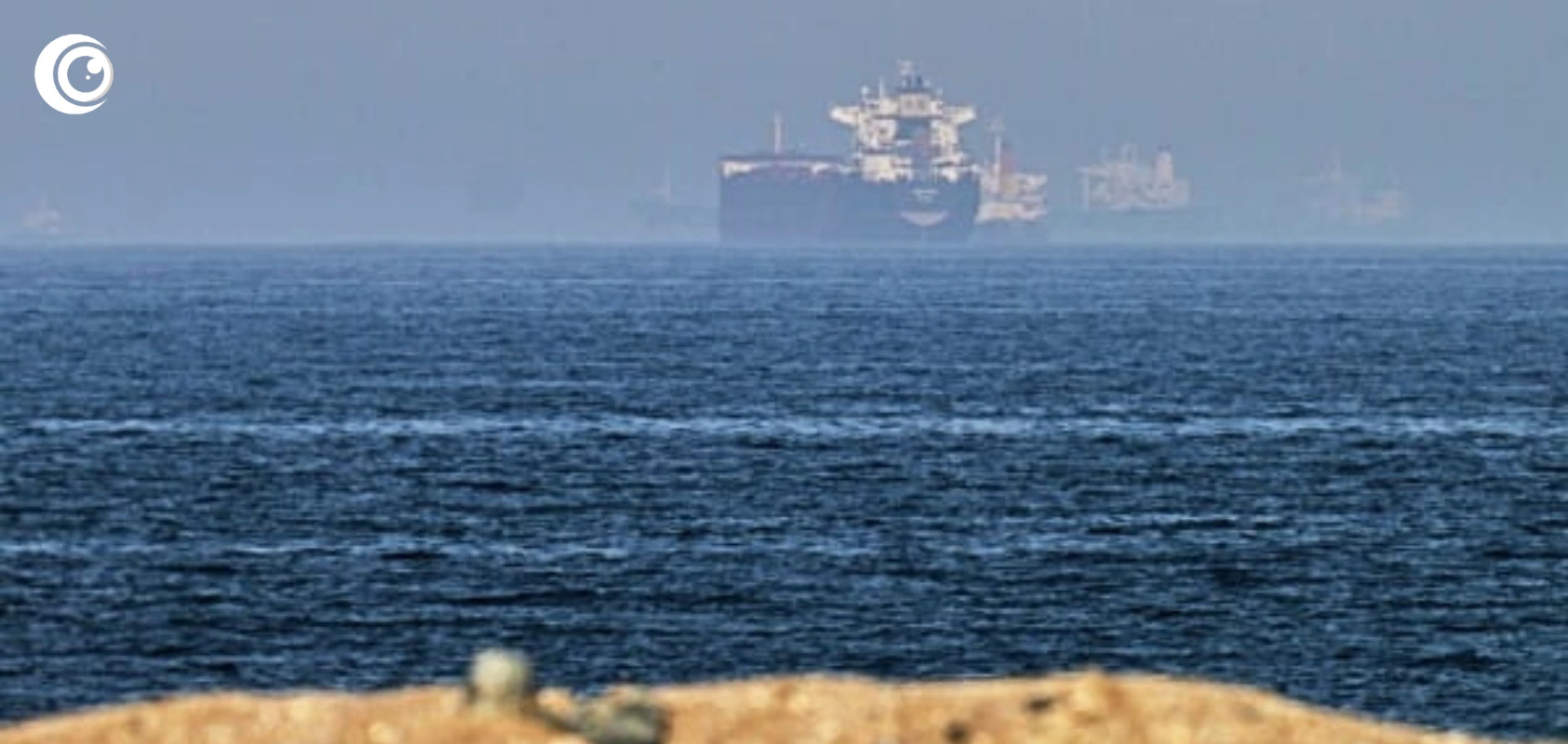
Strategically, the offer is combustible. Situated between Iran and Afghanistan, Pasni is more than a coastline it is a gateway to regional influence. Handing operational control of such a port to the United States will not only provoke regional powers like China and Iran but also ignite unrest within Balochistan, where resource exploitation without justice has long fueled resentment. Once again, the people of Balochistan may pay the price for elite decisions made in marble halls far from their homes.
Morally, this alignment represents a collapse of principle. Islam commands justice, accountability, and defense of the oppressed yet Pakistan’s rulers now embrace those who facilitate occupation and genocide. By courting Washington while Gaza burns, they have bartered away moral authority for short-term dollars. These deals, cloaked as progress, are nothing but partnerships in betrayal betrayal of faith, of people, and of the very idea of resistance.
The United States, for its part, gains access to vital minerals the lifeblood of modern technology and defense industries while expanding its geopolitical foothold in the Arabian Sea. Pakistan gains “investment,” but at what cost? Each agreement signed under the shadow of Gaza stains not only the nation’s conscience but also its credibility as a Muslim state that once claimed to stand for justice.
As construction talks advance and diplomatic pleasantries continue, one question echoes louder than ever: how long can Pakistan claim solidarity with the oppressed while striking deals with their oppressors? History does not forget and one day, it will record who sold their soil, their silence, and their soul for the promise of American dollars.