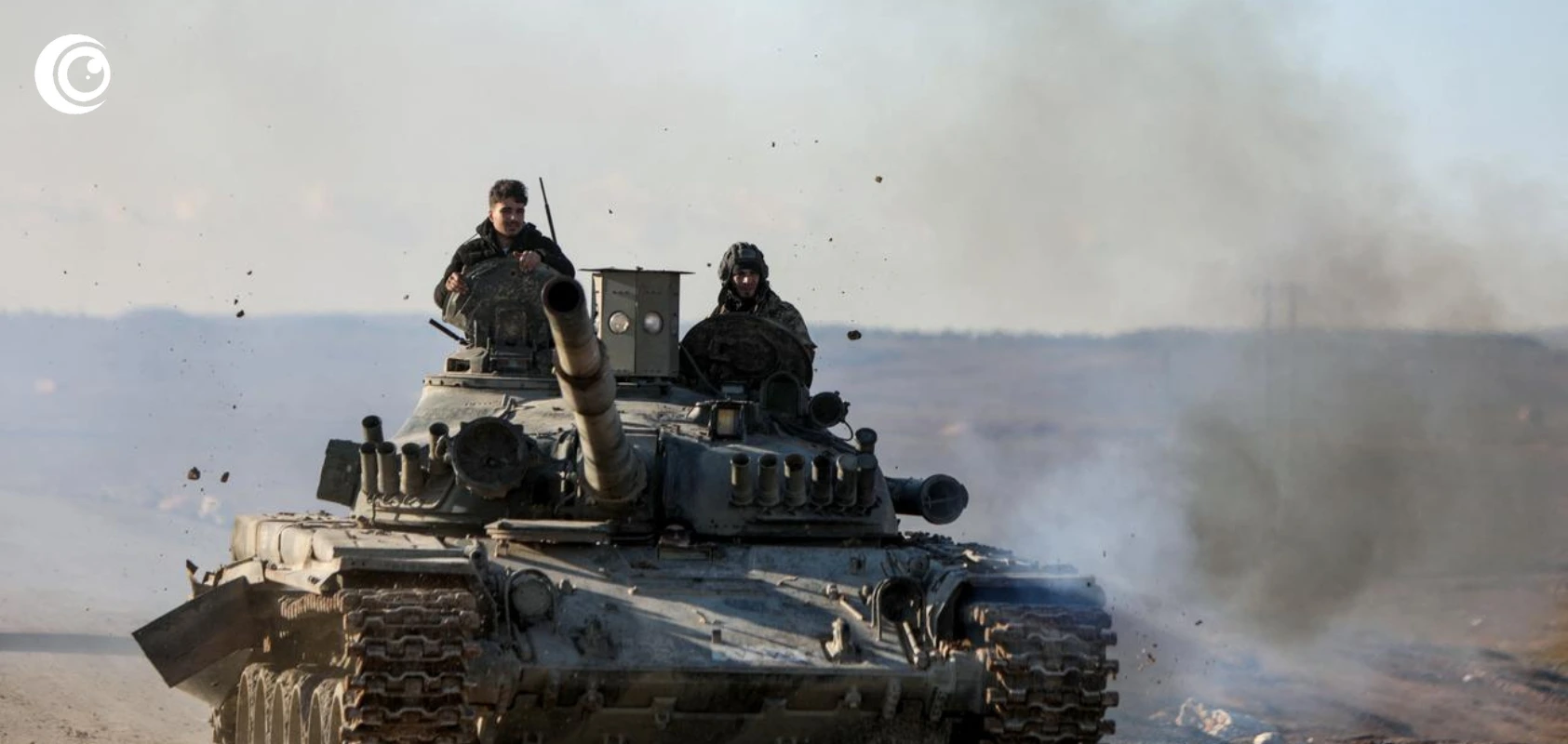
In the shadow of crumbling regimes and shifting alliances, Turkey and Israel are carving out their own spheres of influence in Syria—talking deconfliction lines while their warplanes and missile systems eye the same airspace.
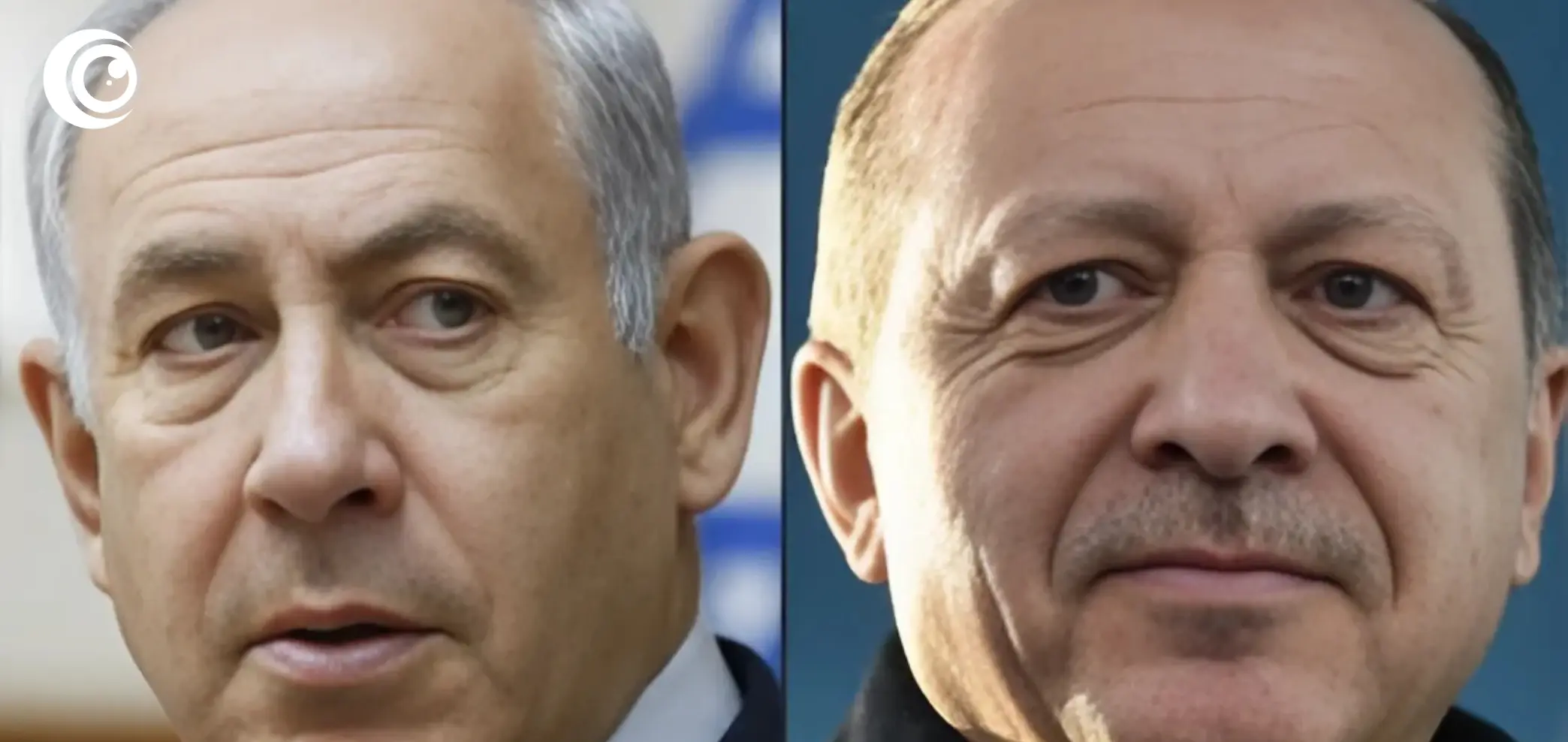
Behind closed doors, Turkish and Israeli officials are negotiating how not to shoot at each other as they expand military operations across a fractured Syria. It’s not diplomacy—it’s a power play.
Two Western officials told Middle East Eye that both sides are scrambling to avoid a direct clash, not out of goodwill, but because a misstep could light up a regional firestorm.
Israel’s Last-Minute Blitz:
Last week, Israeli fighter jets pounded military targets in Syria, including the Tiyas (T4) Airbase and Hama Air Base—both critical to Turkey’s latest expansion push.
Ankara was just days away from sending a technical team to inspect T4, a key site where it plans to set up drones and air defences.
Sources say Israeli Prime Minister Benjamin Netanyahu made it clear: Israel had a narrow window to strike before Turkey got boots and radar on the ground. Once Ankara moved in, the base would be off-limits.
Translation? Israel saw an opportunity to flex its muscle before Turkey could lock the door behind it. And it took the shot.
Red Lines and Hidden Deals:
What’s emerging now is a quiet scramble to draw new red lines. Not in sand, but in airspace.
According to insiders, talks are underway between Tel Aviv and Ankara to establish a deconfliction line—a no-go zone for both militaries to prevent an all-out confrontation. The stakes are high: if Israeli jets hit a Turkish unit by mistake, the blowback could be explosive.
On the flip side, Turkey is planning to install Hisar air defence systems—and possibly even Russian-made S-400s—which could turn huge chunks of Syrian airspace into no-fly zones for Israel.
That’s a problem for Netanyahu, who’s made a career out of Israeli air dominance in the region. He’s reportedly insisting on the full demilitarisation of southern Syria, including Turkish positions, while quietly conceding that Turkish bases in Hama and Palmyra might be tolerable under a carefully drawn truce.
The U.S.—Still Pulling Strings:
Of course, none of this happens without Washington’s blessing. The U.S. might be on the verge of pulling out of Syria, but it still holds the leash. One source put it bluntly: “The U.S. remains the final arbiter in Syria.”
Turkey, meanwhile, is setting itself up as the next big sheriff in town. With Assad out of the picture and Syria in chaos, Ankara is making moves to sign a defence pact with Syria’s new interim government—essentially offering military protection and air cover in exchange for influence. Their real target? Mopping up ISIS remnants and locking in a regional alliance that includes Lebanon, Jordan, and Iraq.
Friendly Fire Isn’t an Option
Despite all the chest-puffing and airstrikes, neither side wants an actual war. Both Turkey’s Foreign Minister Hakan Fidan and an unnamed Israeli official issued nearly identical statements last week: “We do not seek confrontation.”
That’s not a coincidence—it’s choreography.
Still, don’t be fooled. This isn’t a peace pact. It’s a strategic handshake under the table, designed to let both powers expand their reach without triggering a shootout.
With Turkish drones, air defence systems, and elite units moving into central Syria—and Israeli jets still prowling the skies—the margin for error is razor-thin.
As Fidan put it, “The Syrian security should be decided by the Syrians.” But in reality, it’s Turkey and Israel making the calls—one airbase, one missile battery, one deconfliction line at a time.